A Hollywood Storm Brews
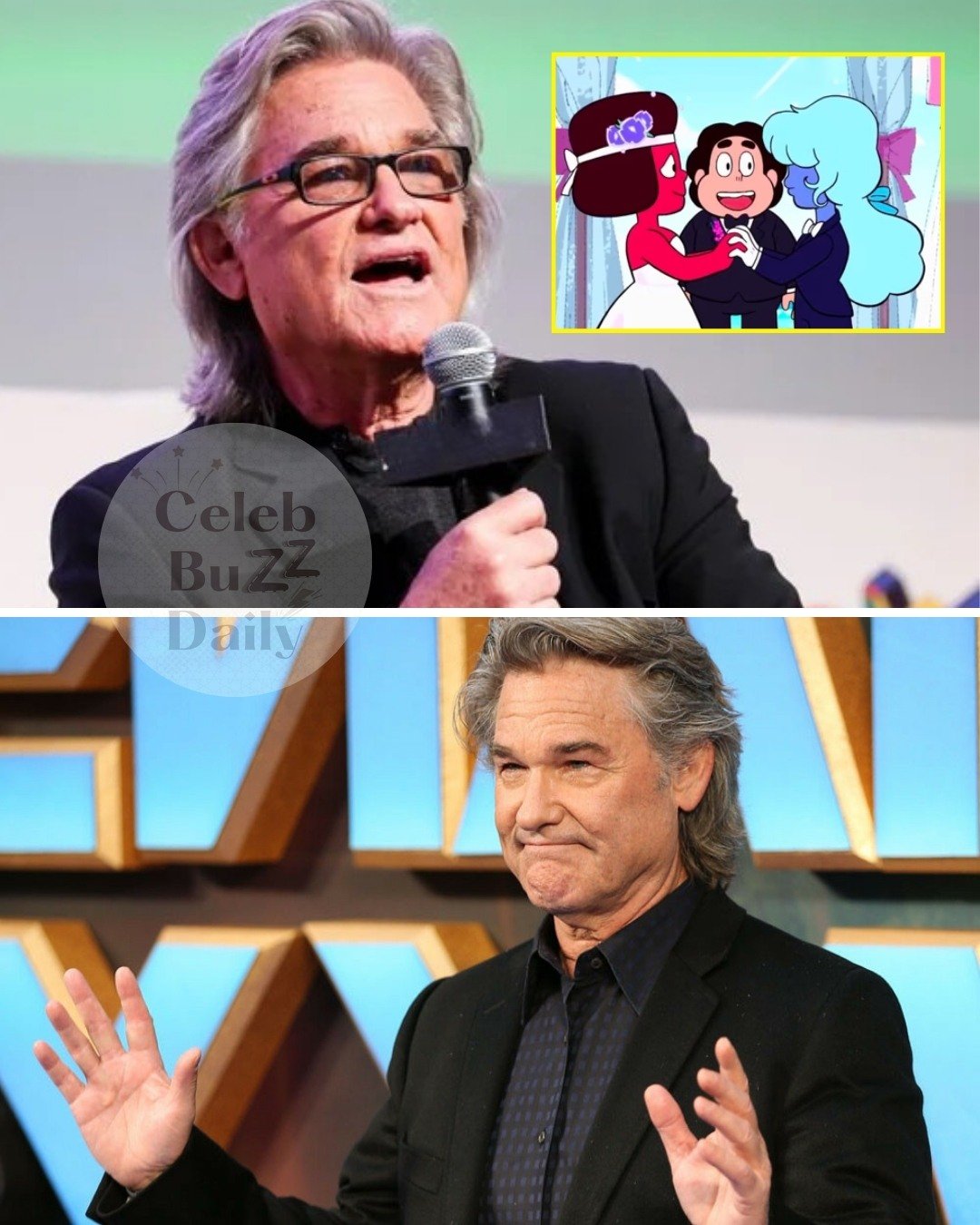
In a world where public figures are often scrutinized for their every word, Kurt Russell, a seasoned actor known for his long and successful career in Hollywood, has found himself in the eye of a storm. Recently, Russell’s comments about children’s cartoons featuring LGBTQ+ themes have sparked outrage and heated debate. The actor, who has captivated audiences with iconic roles in films such as Escape from New York, The Thing, and Guardians of the Galaxy Vol. 2, has made waves with his views on the portrayal of LGBTQ+ characters in children’s media.
At the heart of his comments is the belief that children should be sheltered from adult themes—such as LGBTQ+ representation—in the entertainment they consume. According to Russell, kids should be allowed to remain innocent, free from the complexities of modern social issues. He advocates for a return to “traditional values” and suggests that adults should play a more active role in preserving this innocence.
However, his statements have ignited a firestorm. While some rally behind him, calling his views refreshing, many fans, celebrities, and LGBTQ+ advocates have condemned the remarks, accusing Russell of being out of touch with modern social progress.
In this article, we will explore the controversy in greater detail, examining the reactions from both supporters and critics, the role of traditional values in contemporary society, and the larger cultural implications of this debate.
Kurt Russell’s Controversial Statement: A Call for Traditional Values
Russell’s comments came during an interview promoting his latest project, where he was asked about the increasing visibility of LGBTQ+ characters in children’s cartoons. His response, which has now become the center of controversy, argued that children should not be exposed to LGBTQ+ themes in their entertainment.
He suggested that media targeted at children should focus on simple, innocent narratives, free from the complexities of adult issues. He called for a return to traditional values, where families were the cornerstone of children’s upbringing, and where children’s content could remain free of the societal and political themes that dominate adult media.
The actor’s stance seems rooted in the belief that childhood should be a time of innocence and joy, not a time to confront difficult or mature topics such as sexuality. Russell, who has long been known for his roles portraying traditional “manly” characters, has positioned himself as an advocate for protecting children from these “unnecessary” discussions.
While this viewpoint may resonate with some, it has sparked significant backlash from a wide variety of groups, including those advocating for LGBTQ+ rights and representation.
The Immediate Backlash: Divided Reactions from Fans and Hollywood
The backlash to Kurt Russell’s comments has been swift and polarized. As one of Hollywood’s most beloved actors, his words have stirred strong reactions from fans, celebrities, and even brands.
1. Supporters of Kurt Russell: Traditional Values in the Spotlight
Some fans, particularly those who align with conservative or traditional views, have supported Russell’s stance. They argue that the inclusion of LGBTQ+ characters in children’s cartoons is a form of unnecessary political correctness, one that overcomplicates the simple, carefree world that children should experience. For them, Russell’s call for traditional values is a refreshing stand against what they see as a cultural shift that imposes adult ideologies on young, impressionable minds.
These supporters believe that childhood should be a time for kids to enjoy their innocence, free from adult concerns such as sexuality, gender identity, or politics. They argue that children’s media should reflect universal themes of friendship, adventure, and kindness, without getting into the complexities of sexual orientation or gender identity.
2. The Opposition: LGBTQ+ Advocates and Progressives Speak Out
On the other side of the spectrum, LGBTQ+ advocates have strongly criticized Russell’s comments. They argue that LGBTQ+ representation in children’s media is not only appropriate but also necessary for fostering inclusivity and acceptance in society. Shows like Steven Universe and films such as Luca have been hailed as important milestones in making LGBTQ+ characters visible in mainstream children’s content.
For many LGBTQ+ advocates, Russell’s comments represent a regressive step backward, ignoring the struggles of marginalized communities and the importance of diverse representation in shaping a more empathetic world. LGBTQ+ inclusion in children’s media, they argue, helps children understand the diversity of the world around them, promoting acceptance and empathy at a young age.
In fact, LGBTQ+ advocates contend that the presence of diverse characters in cartoons helps children—especially those who might be LGBTQ+ themselves—feel seen, understood, and less isolated. Representation, they argue, is key to helping children form healthy attitudes about themselves and others, encouraging self-love and acceptance in a society that can often be hostile to difference.
3. Hollywood’s Response: A Mixed Bag of Silence and Disapproval
As one of Hollywood’s most established stars, Kurt Russell’s words have put the industry in a difficult position. While many of his colleagues have remained silent, unsure of how to respond, others have voiced their disapproval.
Notable LGBTQ+ advocates within Hollywood have come forward to denounce Russell’s comments, calling for a more inclusive and progressive approach to children’s media. Some have even suggested that Russell’s stance could harm his career, while others have indicated that such views are out of touch with the values of a rapidly changing society.
For many in Hollywood, this controversy presents an important question: Can the entertainment industry continue to embrace traditional values, or is the future of children’s content one that embraces diversity and representation?
The Growing Push for LGBTQ+ Representation in Children’s Cartoons
Russell’s comments come at a time when LGBTQ+ representation in children’s cartoons is at an all-time high. Shows like Steven Universe, The Owl House, and Adventure Time have featured LGBTQ+ characters, and major studios like Disney and Nickelodeon have started to include more diverse representation in their animated offerings.
This shift toward inclusivity has been driven by a broader cultural movement that emphasizes diversity, equality, and representation for marginalized communities. Advocates argue that children need to see characters from a variety of backgrounds and identities in order to develop empathy and an understanding of the world’s complexity.
LGBTQ+ representation in children’s cartoons is not about pushing an agenda, as some critics claim, but rather about reflecting the diverse world in which children live. Many of today’s young viewers have LGBTQ+ family members, friends, or classmates, and seeing these identities represented in the media helps normalize them and fosters greater understanding.
The Role of Traditional Values: Balancing Preservation and Progress
At the heart of Kurt Russell’s comments lies the notion of “traditional values.” But what exactly does this mean in the context of modern entertainment, and why are these values seen by some as being in opposition to the push for diversity and inclusivity?
For many, traditional values are associated with a simpler, more innocent view of childhood—one that is free from complex social issues. These values often emphasize family, faith, and community as pillars of society. But for others, these values have historically excluded marginalized groups, including the LGBTQ+ community, and have failed to evolve with the times.
Russell’s call for the preservation of these values raises questions about how society can reconcile traditional beliefs with the changing landscape of modern media. Can these values coexist with efforts to create a more inclusive, diverse world, or are they inherently at odds with each other?
:max_bytes(150000):strip_icc():focal(689x379:691x381)/Kurt-Russell-efaa3dacc00b4f168ba1c9b7dde20fe2.jpg)
The Celebrity Effect: The Power of Public Figures in Shaping Opinion
Kurt Russell’s words have not only sparked a debate about children’s media but also about the broader influence of celebrities in shaping public opinion. As a public figure with decades of experience, Russell’s words carry significant weight—especially when it comes to topics like family values and childhood development.
The backlash he has received is a reflection of the growing influence of progressive voices in Hollywood, who advocate for more inclusivity in media. As celebrities continue to use their platforms to address social issues, their opinions have the potential to influence public opinion, for better or worse.
But should celebrities be expected to adhere to certain progressive values? Or should they be allowed to express their personal beliefs, even when they conflict with the prevailing cultural narrative?
The Cultural Divide in Hollywood and Beyond
Kurt Russell’s comments have laid bare the cultural divide that exists within Hollywood and society at large. On one side are those who believe in preserving traditional values and shielding children from complex adult issues. On the other side are those who see the inclusion of LGBTQ+ characters in children’s media as essential for fostering a more inclusive and empathetic society.
As the debate continues to unfold, it will be interesting to see how Hollywood, fans, and organizations respond. Will the backlash against Russell grow, or will his supporters rally behind him? One thing is certain: this controversy is not just about cartoons—it’s about the future of entertainment, the role of values in shaping society, and the impact that public figures like Kurt Russell have on the cultural landscape.
What do you think about Kurt Russell’s stance on LGBTQ+ representation in children’s media? Is it time for a more inclusive approach, or should we protect childhood innocence by avoiding these themes? Share your thoughts in the comments below, and let’s keep the conversation going!