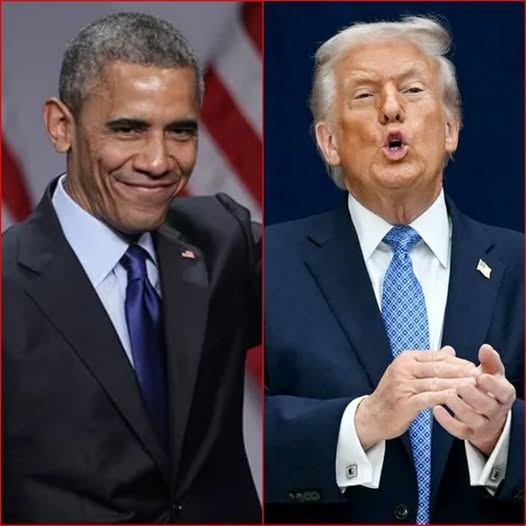
In a recent interview, former President Barack Obama set off a political tremor with a statement that was both bold and legally impossible. Reflecting on the current landscape, he remarked that if not for the constitutional term limits, he could easily outperform Donald Trump in an electoral rematch. This hypothetical declaration, delivered with his characteristic calm assurance, has done more than spark nostalgia. It has ignited a fresh, intense debate about leadership legacies, the state of American politics, and the enduring hunger for a particular style of presidential demeanor that many feel has been absent. While the 22nd Amendment ensures this will remain a thought experiment, the comment has forced a national reflection on what qualities voters truly yearn for in a leader.
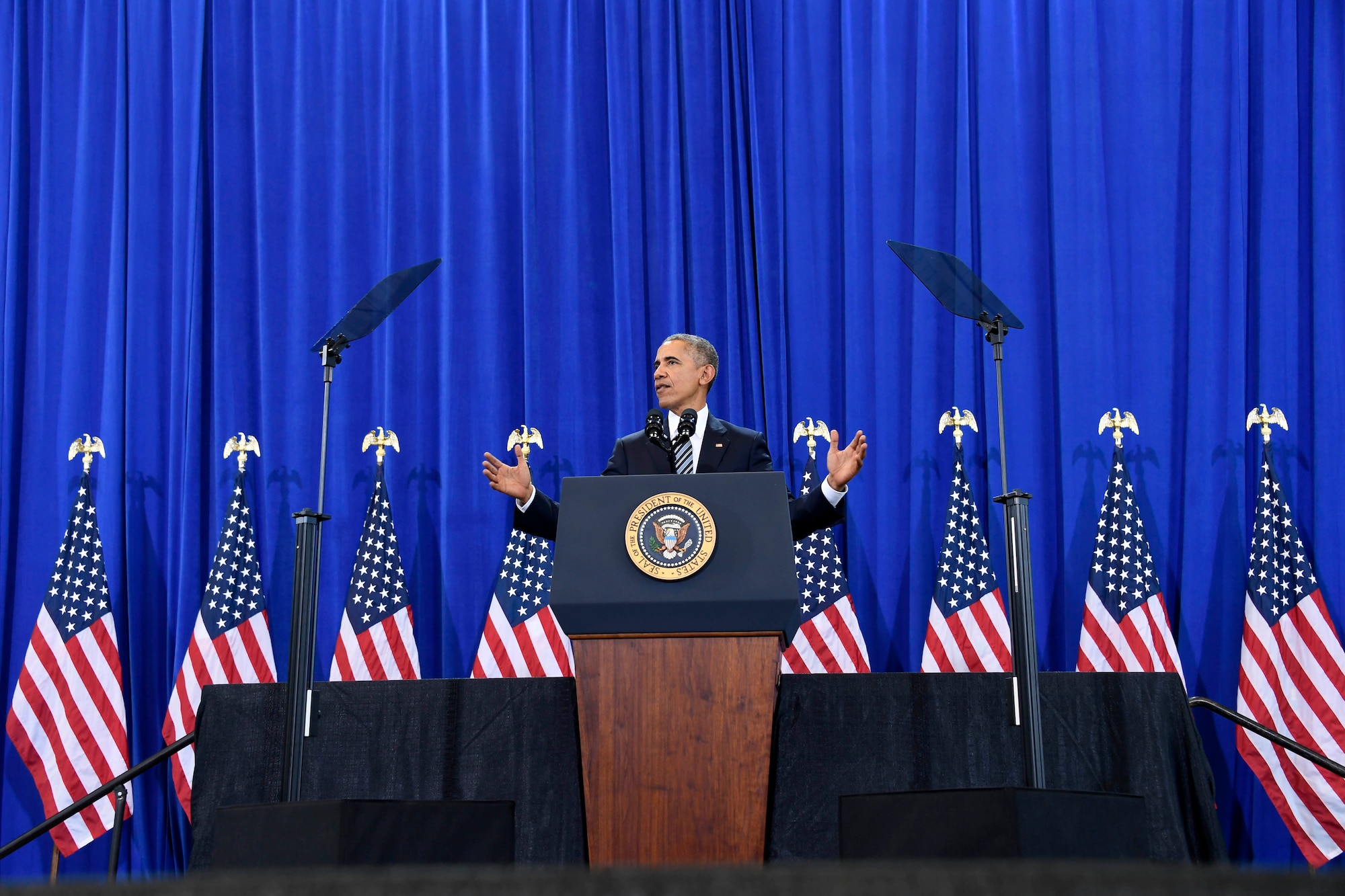
The remark taps directly into the deep, ongoing rivalry between two political archetypes. Obama’s presidency is remembered by supporters as an era of measured diplomacy, intellectual rigor, and a rhetoric of unity. In contrast, Trump’s tenure was defined by populist fire, disruptive policy, and a brand of politics that prized confrontation. Obama’s confidence in outperforming Trump is, therefore, a stark assertion that his model of leadership—one of hope and coalition-building—ultimately holds greater and more durable appeal with the American electorate than the politics of division. It’s a claim that challenges the very foundations of the populist wave that followed him.
The timing of this statement is strategically significant. As the political world begins to look past the current cycle toward 2028, Obama’s words serve as a powerful framing device for the Democratic Party. They are less about his own return and more about setting a benchmark for future candidates. By drawing this clear contrast, he implicitly outlines the qualities the party should champion: optimism, global engagement, and inclusive governance. It’s a subtle act of kingmaking and direction-setting, urging the next generation of Democratic leaders to embody the principles of his era to succeed.

Reactions have fractured predictably along partisan lines, underscoring the nation’s persistent divisions. Obama’s supporters have embraced the comment as a validation of their beliefs and a welcome dose of political morale. Critics and Trump allies have dismissed it as irrelevant fantasy, a backward glance from a figure whose time has passed. This polarized response itself proves the potency of Obama’s continued role as a lightning rod and a symbol, a figure who can command the national conversation with a single sentence, even a decade after leaving office.
Ultimately, the importance of Obama’s claim lies not in its feasibility, but in its function. It is a rhetorical flare, illuminating the stark choice in political philosophies that continues to define America. It asks voters to consider what “outperforming” really means: Is it about the energy of disruption, or the steadiness of governance? While he will not be on any future ballot, his voice remains a powerful force in shaping the answer to that question, ensuring the legacy of his presidency will actively influence the battles to come.