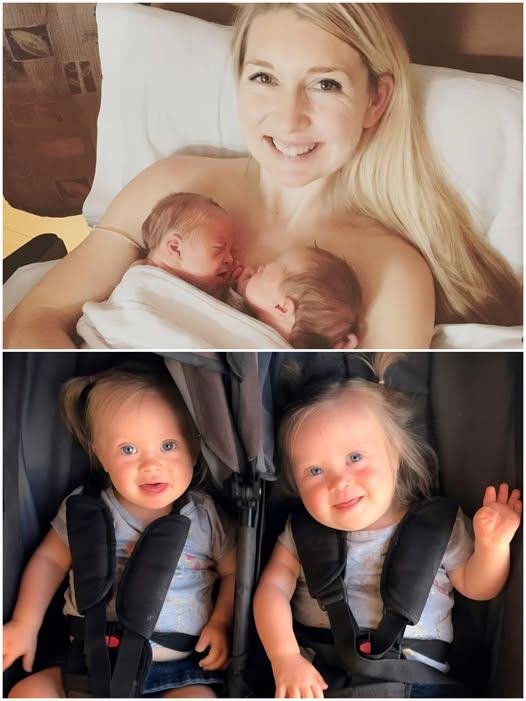
When Rachael Prescott discovered she was pregnant with twins, it was a dream come true. That dream quickly met a stark, clinical reality at her first prenatal scan. Over the following weeks, not one, but six different medical specialists looked at the images of her identical girls and expressed the same grave concern: the babies likely had Down’s syndrome. With each new doctor came the same difficult suggestion: termination. The world seemed to narrow to a single, chilling question, asked repeatedly: Did she want to end the pregnancy?
The experience was isolating. Rachael and her husband, Cody, felt their initial joy replaced by a defensive grief. They were being spoken to about statistics and risks, but all they could think about were their daughters. The medical dialogue centered on what the girls might not be, rather than on how to welcome and support them. “I wanted to shout that I was thrilled to be having twins,” Rachael recalls. Instead, she sat in silent shock, feeling the immense pressure to view her pregnancy through a lens of loss.
In the face of this, Rachael and Cody made a pivotal choice. They declined further invasive genetic testing. For them, the diagnosis was secondary. They already knew these were their children, and their focus shifted to preparing for their arrival and ensuring their health. This decision was an early act of profound acceptance—a refusal to let fear define their family’s future.
Defying a host of medical expectations, Rachael delivered Charlotte and Annette naturally. While Charlotte was born with a serious heart defect requiring surgery at six months old, and Annette was born without one, both girls thrived. The anticipated sorrow and hardship that outsiders projected onto the family never materialized. In its place was a powerful, simple joy. “There was no sadness,” Rachael says. “Only love for our beautiful, breathing, heart-beating baby girls, and their extra chromosomes.”
Today, the Prescott household is a vibrant, noisy testament to that love. The twins, now toddlers, are smaller and meet milestones at their own pace, but their home is filled with the universal sounds of childhood: giggles, the pitter-patter of unsteady steps, and squeals of delight while chasing the family dog. They have two older brothers, and together, they are simply a family.
Rachael now shares her story with a clear mission: to change a narrative. She wants other parents receiving a prenatal diagnosis to see past the clinical language and understand the full picture—a picture that includes first smiles, warm cuddles, and a unique, rewarding journey. Her message isn’t about ignoring challenges, but about recognizing that a diagnosis is just one part of a child’s story. “See the life, not the label,” she urges. For Rachael and Cody, choosing their girls was never a question. It was, and remains, the only choice their hearts could make.