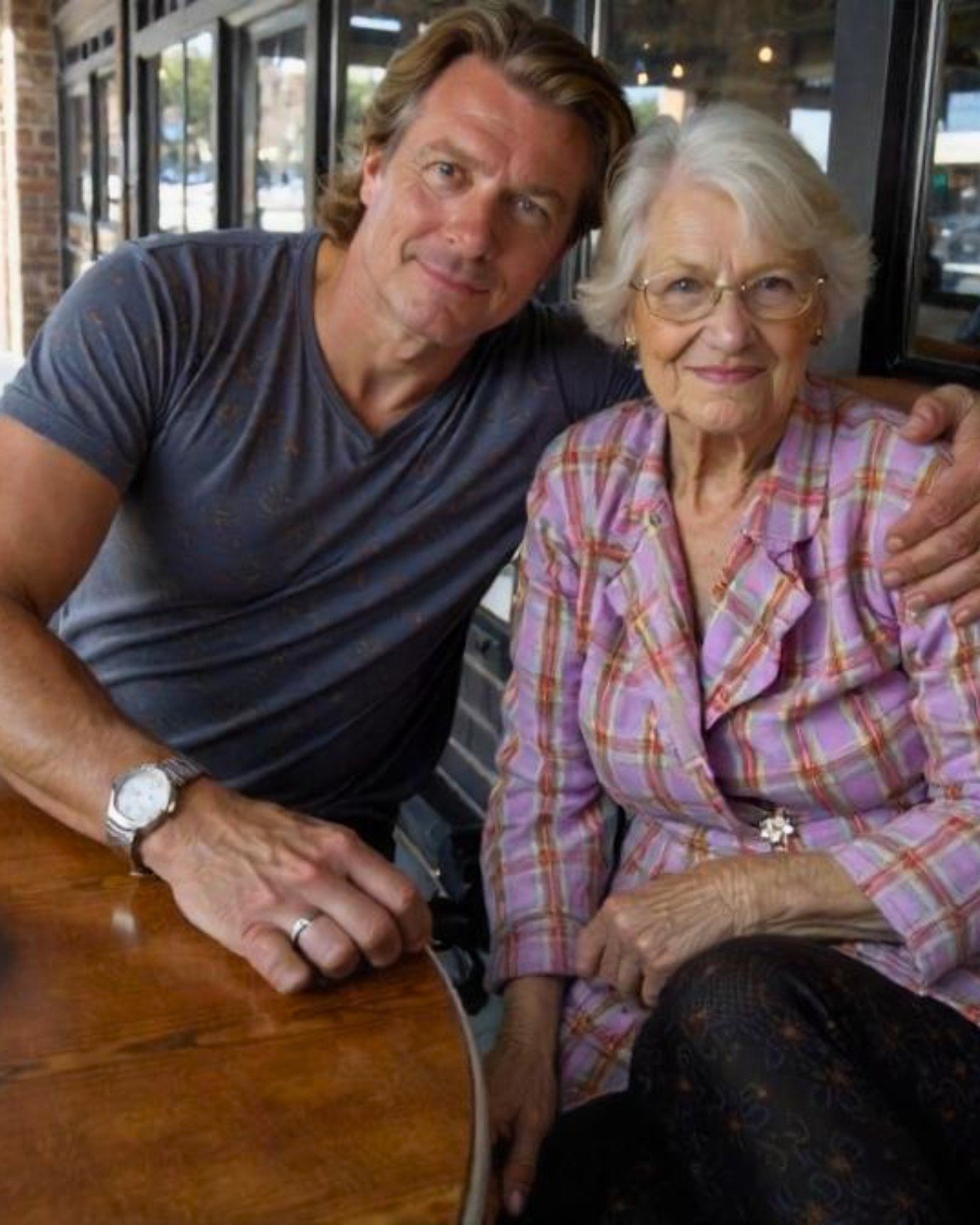
I used to think infidelity was the ultimate marital betrayal. I learned there is something worse: a premeditated con that weaponizes your compassion. My husband Ethan and I had a calm, happy life. That changed the day he called me, voice trembling, to deliver devastating news. His mother’s cancer diagnosis was a shock, but his subsequent fear was contagious. He framed the coming fight as a financial cliff. Without hesitation, I stepped to the edge with him. I would be his rock, his financial partner, the unwavering supporter. I had no idea I was signing up to be the mark in an elaborate, year-long scam.
The dynamic was established quickly. Ethan handled the “emotional labor” of his mother’s care—the appointments, the vigils, the updates. My role was to fund it. I transferred savings, deposited freelance checks directly into his account, and sold sentimental jewelry, each transaction feeling like a noble contribution to a lifesaving cause. He’d come home looking hollow, whispering thanks that felt profound. “You’re saving her,” he’d say, and I’d believe it. The total climbed to a staggering sum, but questioning it felt like questioning my own humanity. He had turned my empathy into the perfect engine for his greed.
The illusion was punctured by an offhand remark from a neighbor who knew the truth about Gail’s whereabouts. That single piece of contradictory information was like a crack in a dam. Suddenly, every oddity came flooding back: why I’d never seen a hospital bill, why I was never asked to visit, why Gail’s “privacy” was an inviolable law. The story I’d lived in had a critical plot hole. Driven by a cold fury, I became a detective. I followed him to a staged meeting with an actress playing a sick woman, a farcical performance that ended with a cash payment.
Armed with this truth, I searched his computer and found the blueprint for my replacement. There were plans for a house with another woman, and emails that treated my sacrifice as a private joke. The man I shared a bed with was a meticulous fraud. The confrontation was less an argument and more an exorcism. His initial shock gave way to a shocking admission of entitlement. He viewed my love as a resource to be mined, my trust as a weakness to be exploited. I told him to get out.
In the aftermath, his fabricated world imploded. The dream house disappeared, his accomplice left, and he became a pariah. I focused on repair—legal, financial, and emotional. The story’s most poetic ending arrived on my doorstep in the form of the real Gail, healthy and horrified by what her son had done in her name. We now have a relationship built on truth, something he tried to steal from us both. The experience was a brutal education in the dark side of trust, but it also taught me that even the most carefully constructed lies eventually crumble, often leaving something more real in the rubble.