The last nine months have been a masterclass in navigating the terrain between despair and hope. My wife Brooklyn and I were overjoyed to learn we were having a son. That joy was soon tempered by a chilling diagnosis: our baby had severe hydrocephalus, a condition where excess fluid threatens the developing brain. The term sounded clinical, but its implications were deeply personal and terrifying. As expectant parents, we were suddenly students of a frightening new vocabulary, trying to grasp what it meant for our child’s life.
Seeking the best care, we were referred to Cincinnati Children’s Hospital. The specialists there confirmed our deepest fears. The condition was catastrophic; the fluid buildup was so significant it defied measurement. Looking at the MRI, we saw our son’s fragile form, his prognosis outlined in devastating percentages. We were told he had a minuscule chance of a healthy life. The world seemed to shrink to the size of that hospital room, filled with statistics that felt like sentences.
In the ensuing weeks, we planned for a birth that might also be a goodbye. Meetings with the palliative care team involved discussions no parent should ever have—about life support and comfort care. It was an emotional marathon. Brooklyn moved to Cincinnati, a testament to her strength, while I held down the fort at home with our daughters. We communicated through video calls and shared tears, our family tethered by love and anxiety.
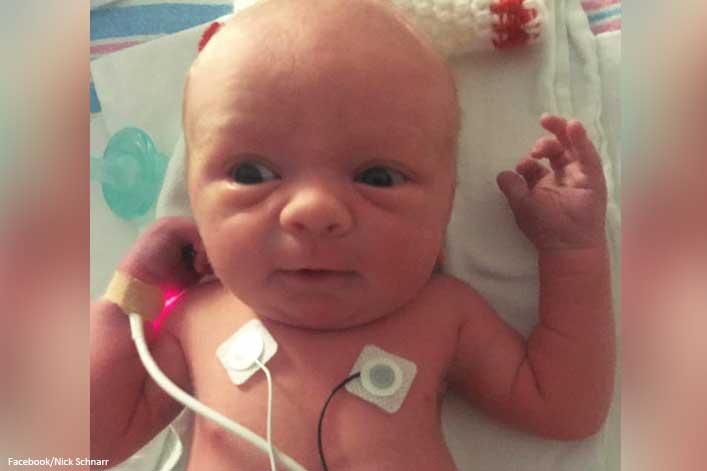
On July 8th, the day arrived. As Brooklyn was prepared for surgery, we had a final, solemn briefing. We braced ourselves. Then, Charlie Edward entered the world and let out a robust, vibrant cry. That sound was a seismic shift. It was the sound of a future rewriting itself. My tears were not of sorrow, but of stunned, overwhelming relief. He was alive, and in that moment, everything was different.
Charlie’s time in the NICU was a period of vigilant waiting. Doctors monitored him closely, their caution slowly giving way to quiet amazement. Without medical intervention, the blockage in his brain began to clear. The fluid was reabsorbing and rerouting on its own. The team, witnessing this reversal, acknowledged the extraordinary nature of his recovery. For us, it was the manifestation of countless prayers—a tidal wave of faith from our community that we believe moved mountains.
Now, Charlie is home. He is a happy, growing baby, his bright eyes taking in the world. We have some follow-up appointments, but the cloud of dire prediction has lifted. This experience has been a profound lesson in the limits of prognosis and the boundless power of hope. Charlie’s journey reminds us that some of life’s most beautiful stories begin with the most frightening chapters, and that a single cry can be the first note of a miraculous song.