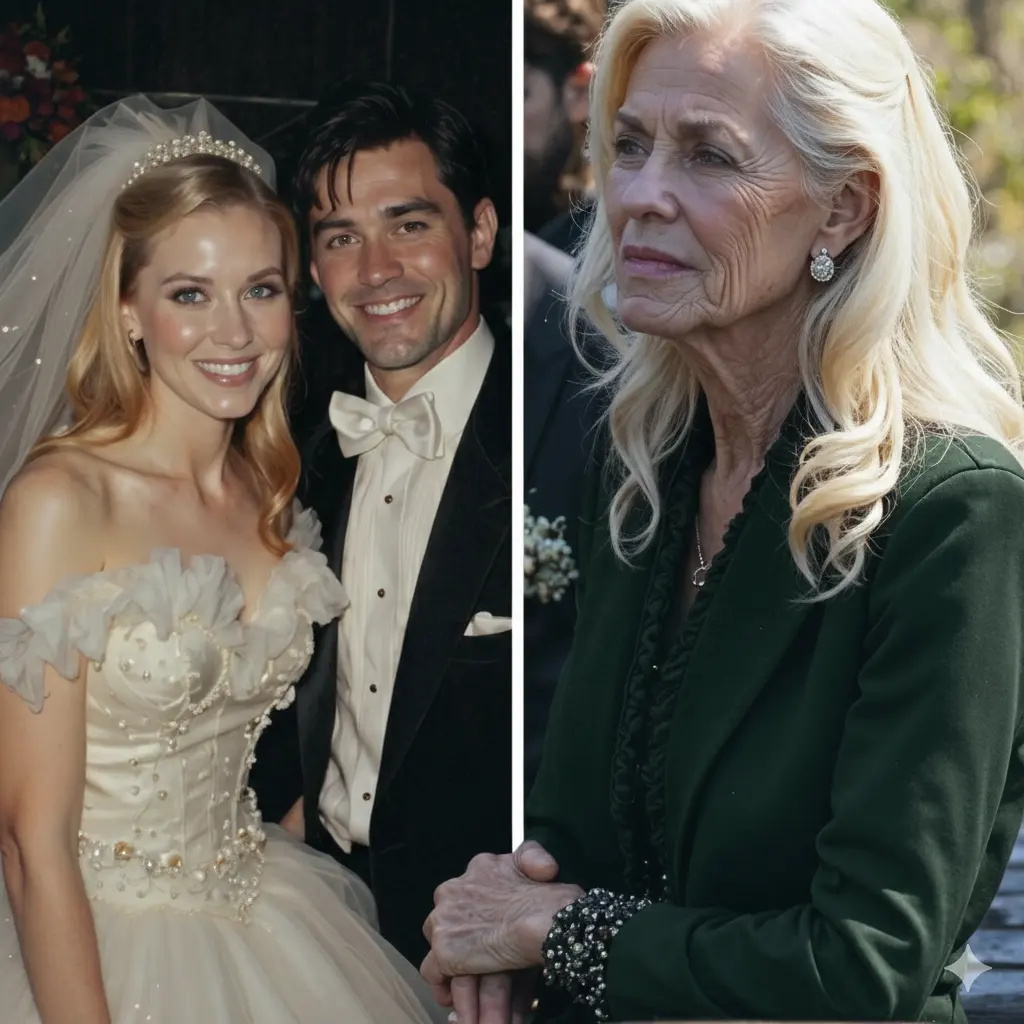
I was a widow of twenty-seven years, until a lawyer told me I had never been a wife. The death of my partner, Michael, was a devastating blow. The legal aftermath was unthinkable. Because our marriage license was never filed with the state, our lifelong union had no legal standing. I was not next of kin. The estate—including the home where we raised our family—would be distributed to his relatives. The grief was now layered with a desperate fight for survival, and I was losing. I faced the prospect of homelessness with my two children, all because of a missing piece of paper.
In the depths of my despair, I questioned everything. Had our entire life been a façade? The man I knew was organized and fiercely protective. This glaring oversight made no sense. As I packed our belongings, a deep sense of betrayal festered alongside the sorrow. My children watched their future collapse, and I had no answers for them. The financial terror was a constant, gnawing presence, making it impossible to simply mourn the man I loved. I was mourning our stability, our past, and our future all at once.
The turning point was a visit from a county official who had taken a personal interest in our case. She revealed that Michael’s actions were meticulously intentional. Fearing old business debts could someday target his family, he had deliberately avoided creating a direct legal link through marriage. Instead, he worked with a financial planner to construct an elaborate, bypass system. Our home was held in a trust. Separate, funded educational accounts existed for each child. Life insurance and investment accounts named us as direct beneficiaries, all shielded from probate and potential creditors.
The most poignant evidence was a series of letters he left, to be discovered only if this scenario unfolded. In his writing, I found the man I knew: loving, worried, and utterly devoted. He explained his painful choice, his hope that we would never need to understand it, and his profound apology for the confusion it would cause. He ended by calling me his true wife, the love of his life, and said securing our peace was his life’s most important work. The relief was physical, a weight lifted from my chest allowing me to finally breathe and remember him without anger.
Today, I understand that love can wear many disguises. Sometimes it looks like a wedding band, and sometimes it looks like a complex trust fund. Michael’s love was the latter—a quiet, strategic, and ultimately selfless force that placed our security above tradition and above his own desire for a simple narrative. We are safe, provided for, and able to heal, precisely because he loved us enough to make a hard choice. His legacy isn’t a filed certificate; it’s a lasting sanctuary built with foresight and profound care, his final and most meaningful gift to his family.