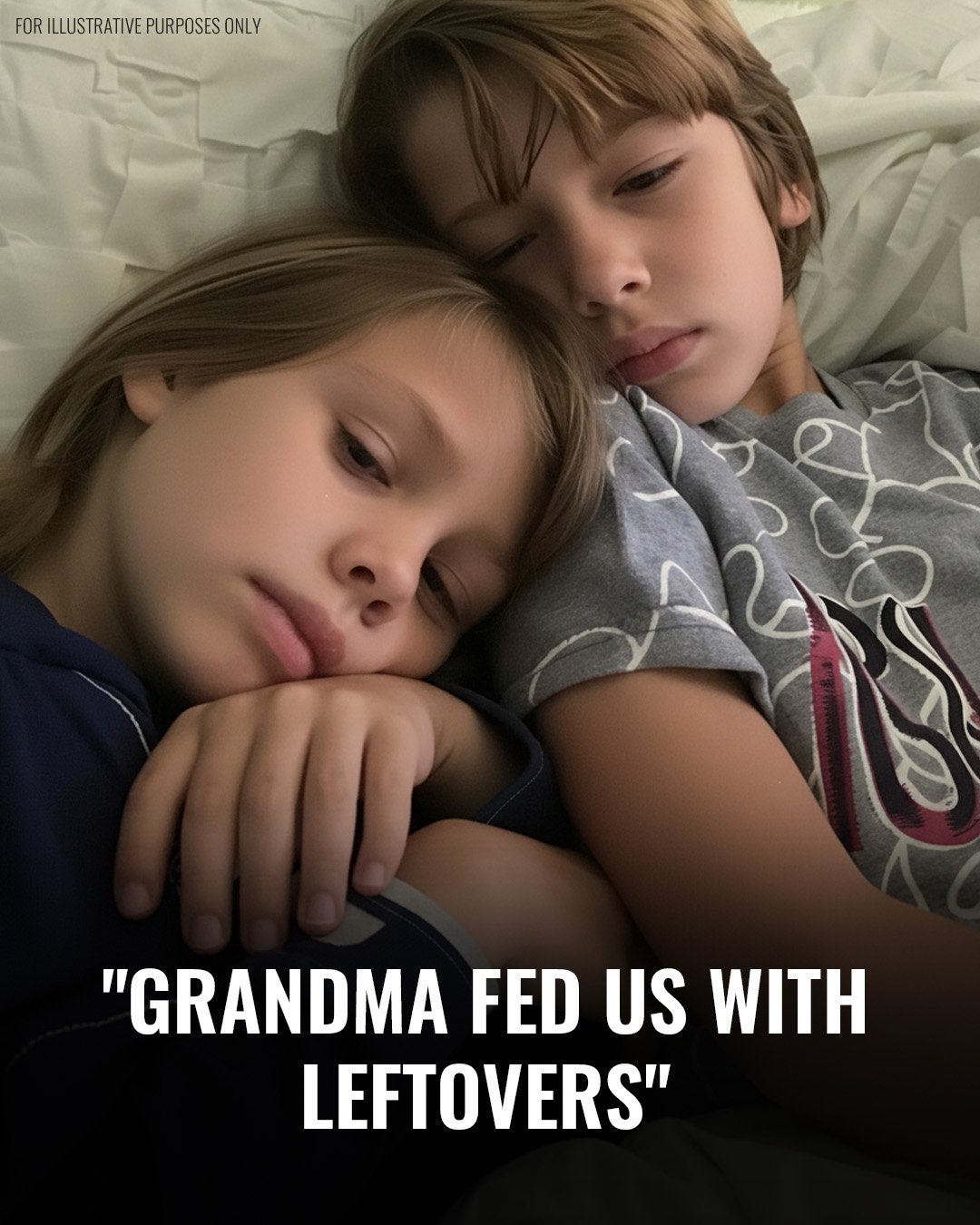
Navigating a difficult mother-in-law is a common struggle, but mine, Margaret, had perfected a special kind of emotional calculus. Her love was a scarce resource, generously allotted to my sister-in-law Hannah’s family and sparingly, if ever, to mine. My husband Ethan lived in a state of peaceful denial, so I shouldered the emotional labor of managing her judgments and my children’s confusion. We played our parts during family functions, accepting our secondary status as the cost of belonging. That fragile arrangement ended with a child’s whispered confession over the phone. My son and daughter, spending a weekend with their grandmother, were given pizza crusts for dinner while their cousins ate the proper slices. This wasn’t an oversight; it was a deliberate lesson in their lesser place. The hurt in their voices was a catalyst I could no longer ignore.
The scene at Margaret’s house confirmed every awful feeling. There she was, ensconced with her favorite family, utterly unconcerned with the two children she’d relegated to the fringe. Her dismissal of my concerns and her command for us to leave her house felt like a door slamming shut on any hope of genuine relationship. I drove away heartbroken but resolved. The break, I thought, was clean and absolute. Life, however, had a different script. The following week, summoned by a strangely cordial Margaret, I walked into a meeting that would redefine our family. Her lawyer presented the will of my late father-in-law, Walter. In a stunning directive, he had left everything to me, expressing his profound trust in my character to make fair decisions for the whole family.
The air left the room. Margaret’s face, etched with anticipated triumph, crumpled into disbelief. The architect of our family’s inequality was suddenly disempowered, her future comfort resting in the hands of the daughter-in-law she’d scorned. Overnight, her frostiness thawed into a desperate, unconvincing warmth. The irony was not lost on me. The power shift was complete, but wielding it like a blunt instrument felt wrong. It would dishonor Walter, the one person in that family who had shown me consistent kindness and seen my children for the wonderful individuals they are. His legacy was one of integrity, not vengeance.
I chose to use the responsibility he’d given me as a bridge, not a wall. I structured the inheritance to provide for Margaret and Hannah, but I dedicated the bulk of it to secure futures for all the grandchildren through equal trust funds. In doing so, I corrected the unfairness at its root—the next generation. When I finally sat with Margaret to complete the process, the performance ended. She cried, apologized, and for the first time, I believed her remorse was real. I offered forgiveness, a gift to myself as much as to her. It allowed me to step out of the role of the wounded daughter-in-law and into the role Walter had seen for me: a peacemaker. His trust showed me that one person’s faith can redeem years of discord, and that sometimes, the ultimate revenge is simply to choose kindness and move forward, free.