Success is often measured in fortunes and accolades, but for Leonardo Ortega, a hotel tycoon who seemed to have it all, true fulfillment remained elusive. Despite his empire, a hollow ache from an unanswered childhood question about his missing mother lingered beneath the surface. On an impulse to do something uncalculated, he visited a neglected nursing home on San Felipe Street. The building was decaying, a world away from his polished life. Yet, the moment he stepped inside, an inexplicable gravity pulled at him.
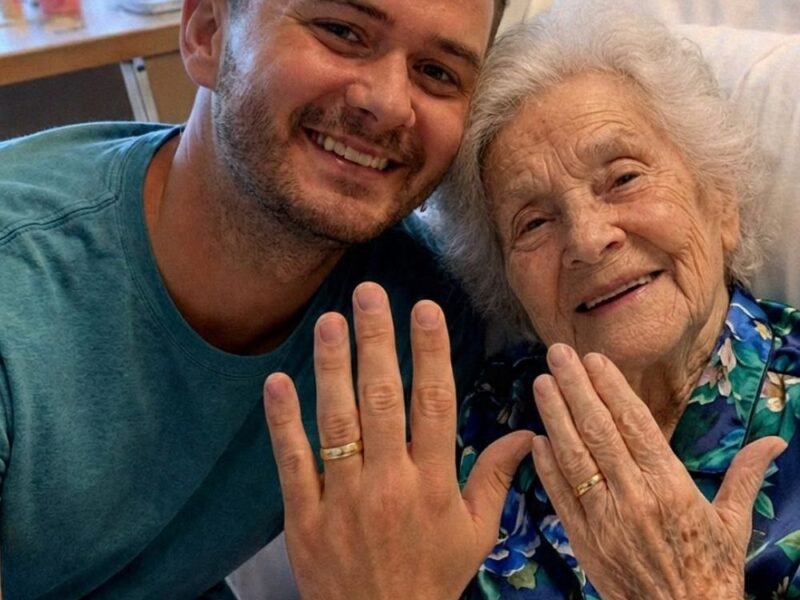
Walking the dim hallway, his eyes were drawn to an elderly woman by a grimy window. Her face was deeply lined, her white hair tangled, but her eyes held a familiarity that stopped him cold. As he approached, she whispered his name. In that instant, decades of vague explanations and family silence shattered. She was his mother, declared dead decades ago after an accident, institutionalized, and told her son had perished. A web of lies, forged for convenience, had rewritten both their lives.
Leonardo canceled everything. He knelt beside her wheelchair, not as a billionaire, but as a lost son finally found. He learned she had survived years of isolation, praying not for rescue, but simply that he was alive and loved. This revelation transformed him. He moved her to a place of dignity and care, dedicating himself to her comfort. Publicly, he used his influence to demand investigations into the systemic neglect that allowed such erasures, focusing on reform over revenge.
The story is a powerful reminder that some truths refuse to stay buried. It speaks to the unseen people in forgotten places and the unresolved wounds that can hide beneath even the greatest success. For Leonardo, no business triumph compared to the profound peace of those final years with his mother, proving that love, against all odds, can still find its way home.