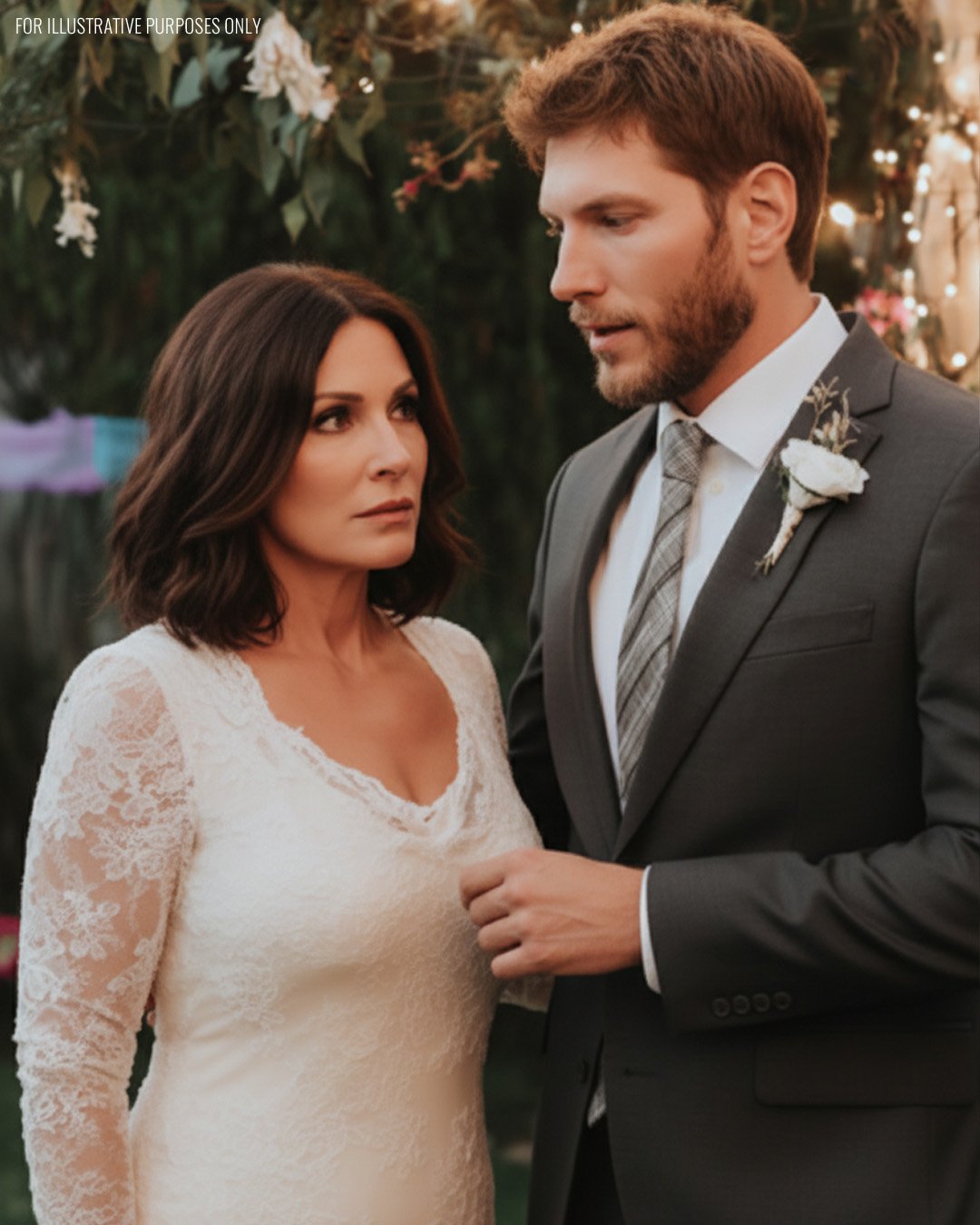
They say life can feel like a story written by someone with a cruel sense of humor. I learned this truth in the most brutal way possible when I discovered my husband, Adam, was having an affair. The betrayal was devastating, but the identity of the other woman was a horror I never could have imagined. It was my own mother, Linda. The woman who had spent my childhood reminding me I’d ruined her life had now set out to ruin mine. The double betrayal left me hollow, as if the two people who should have provided foundational love had conspired to demolish my world.
I cut them both out completely. The divorce was swift and silent, a stark contrast to the loud, messy pain inside me. My only anchor was my cousin Sophie, who became my unwavering support system. I tried to rebuild, focusing on therapy and the quiet solace of a life without their drama. Then, an ivory wedding invitation arrived. It was for their marriage. The sheer audacity took my breath away. They weren’t just moving on; they were formally celebrating the destruction they’d caused. I threw it away and resolved to spend their wedding day in my own peaceful solitude, far from the spectacle.
As they exchanged vows, my phone rang. It was Sophie, breathless and insistent, telling me I had to come to the venue immediately. Reluctantly, I went. What I walked into was chaos. Sophie, standing before the entire reception, had just revealed a shocking truth: Adam had also been cheating on my mother—with her own best friend, Karen. The announcement detonated the perfect day. Glasses shattered, the wedding cake toppled, and my mother’s face transformed from radiant bride to a mask of shattered humiliation.
Watching from the back of the room, I felt no joy, no vengeance. I felt a profound and quiet freedom. The elaborate lie they had built their new life upon had collapsed under its own weight, in the most public way possible. In the weeks that followed, the fallout was swift and severe. Adam lost everything—his relationship, his job, his dignity. My mother was left alone. The poetic justice was not something I orchestrated, but a consequence they brought entirely upon themselves.
The experience taught me a hard but liberating lesson. Sometimes, walking away is the most powerful response. By refusing to engage in their drama and focusing on my own healing, I emerged intact while the house of cards they built tumbled down. I walked away with my peace, my integrity, and the loyal family I chose—my cousin. Their story ended in public disgrace. Mine was just beginning, on firmer and quieter ground, built on truth and self-respect.