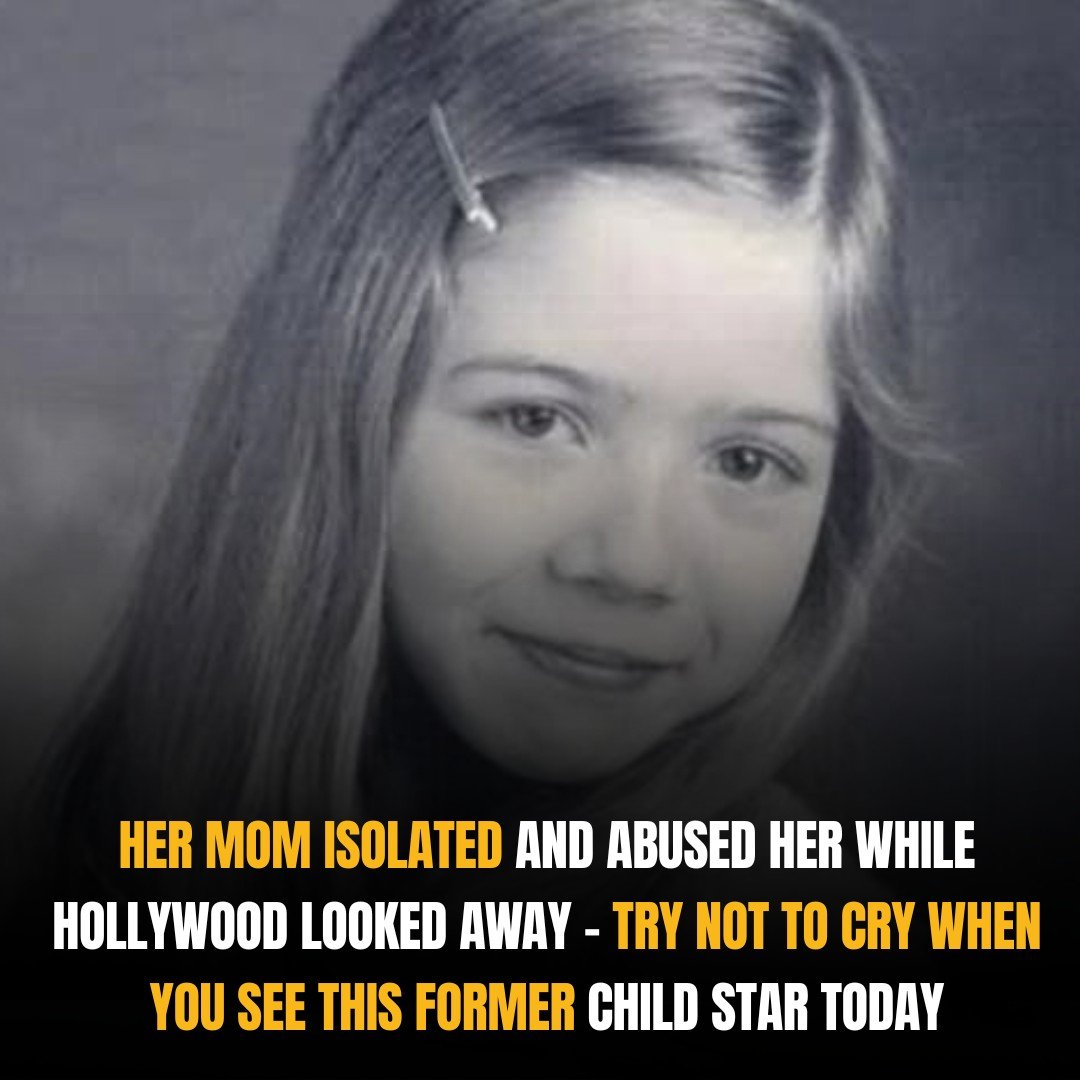
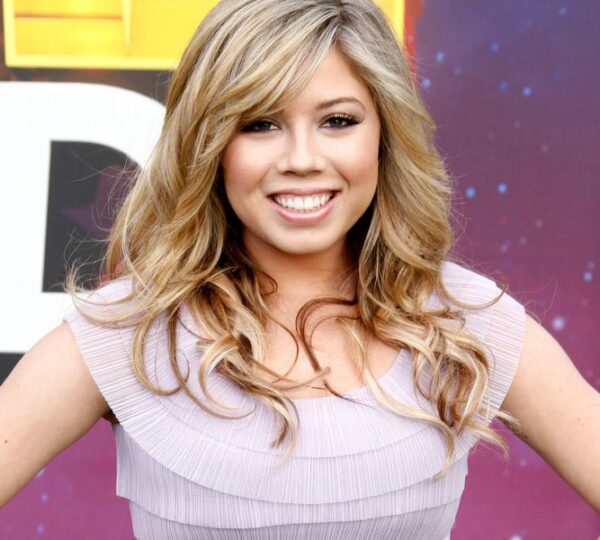
Long before she understood the cost, Jennette McCurdy was a face millions recognized. On screen, she was bubbly and confident, a source of laughter for a generation of kids. Off screen, her reality was a carefully controlled world of pressure, fear, and survival. Born into a strict, sheltered environment, her childhood home was filled with the instability of her mother’s illness and compulsive hoarding. Rooms were impassable, beds inaccessible. Jennette and her siblings slept on foam mats in the living room, a chaotic backdrop to a life already lacking in normalcy.
From this turmoil emerged a career she never chose. Her mother, seeing a financial lifeline, steered an eight-year-old Jennette into acting. What began as a child’s interest became a family obligation. By her early teens, she was the primary breadwinner. The cheerful persona she projected for the camera masked a deep anxiety and a loss of autonomy. Her mother’s control was absolute, micromanaging everything from her diet to her showers, fostering eating disorders and profound shame. Fame was not a gift; it was a gilded cage constructed by the person she trusted most.
The conflicting emotions surrounding her mother’s death from cancer when Jennette was 21 were overwhelming. Grief was tangled with a guilty sense of relief and a terrifying question: who was she without her mother’s direction? The freedom was paralyzing. She drifted into unhealthy patterns, struggling with identity and self-worth. Healing began slowly, through therapy and the painful work of confronting a past filled with manipulation. It led her to a radical decision: she walked away from acting entirely, leaving behind the industry that had defined—and confined—her entire life.
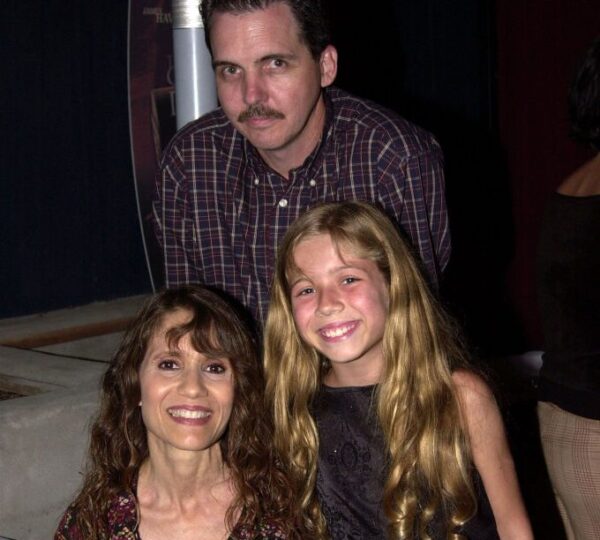
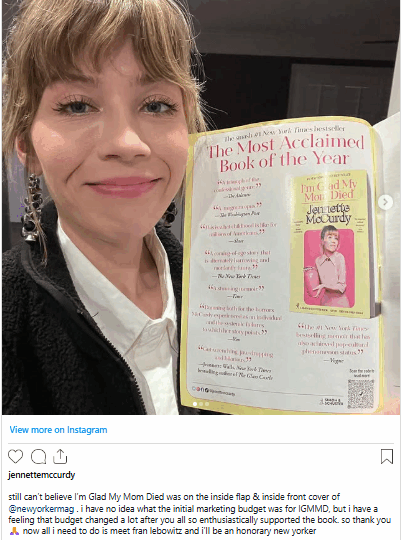
Her path to reclaiming her voice was through writing. In 2022, she published the blisteringly honest memoir I’m Glad My Mom Died. The title alone shattered the polite silence expected of former child stars. In its pages, she detailed the extreme control, the emotional manipulation, and the exploitation she faced both at home and within Hollywood. The book was not an act of vengeance, but one of liberation. It allowed her to transform her pain into a powerful story that resonated with countless others who felt unseen in their own struggles.
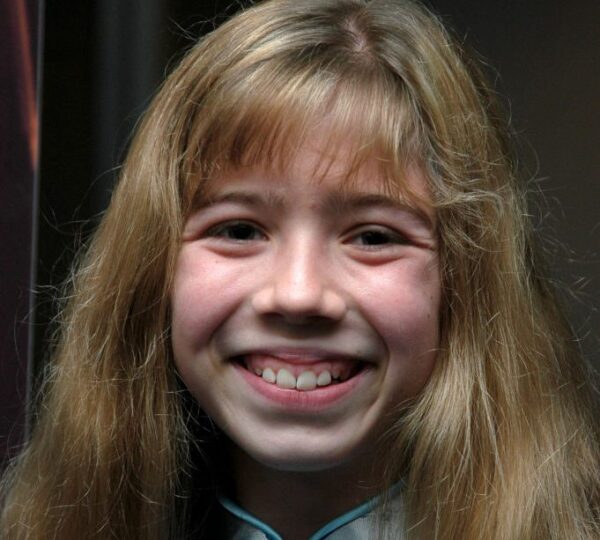
Today, Jennette McCurdy has forged a new identity far from the Nickelodeon sets. She speaks openly about mental health, recovery, and the importance of boundaries. In a powerful full-circle moment, she is now adapting her memoir into a television series, returning to the medium not as a performer, but as the author of her own narrative. Her journey is a testament to the hard, nonlinear work of healing. It proves that even after a childhood spent fulfilling everyone else’s expectations, it is possible to finally, bravely, build a life that is truly your own.