The text message arrived in the dead of night, its glow illuminating a truth I had refused to see. My daughter, Sarah, informed me that her mother-in-law didn’t want me at the Christmas dinner in the house I had bought for them. The $280,000 I had poured from my life’s savings into their dream home had not purchased me a seat at their table. My reply was a simple, “It’s okay,” but in that moment, a profound shift occurred within me.
For years, I had watched my role in my daughter’s life slowly diminish, replaced by the imposing presence of her mother-in-law, Carol. I had swallowed my pride through snide comments, canceled birthday dinners, and the gradual erasure of our traditions. My financial support had become an invisible, expected resource, while my emotional presence was treated as an inconvenience. The Christmas Eve exclusion was the final, painful confirmation that I had become a ghost in my own daughter’s life.
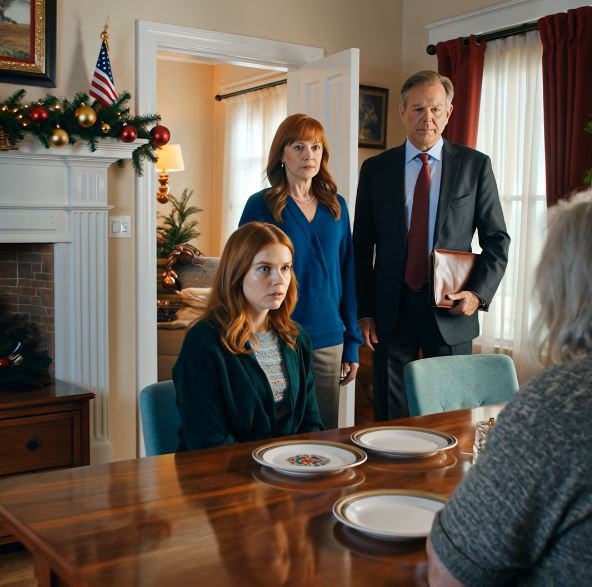
But I held a truth they had forgotten: the house was still legally mine. While they prepared for their perfect, mother-in-law-approved celebration, I was quietly meeting with my lawyer. We found a cash buyer and finalized the sale just before the holiday. The papers were signed, the money was transferred, and the eviction notice was prepared. On Christmas Eve, as their party was in full swing, a process server delivered the documents.
The fallout was immediate and brutal. The perfect dinner shattered into tears and accusations. In their eyes, I was a monster who had ruined Christmas. But from my perspective, I had simply stopped allowing them to ruin me. This was not an act of vengeance, but a reclamation of my own worth. I had finally understood that love should not require self-erasure. The journey to rebuild our relationship was long and painful, but it eventually led to a healthier, more honest connection built on mutual respect, not obligation. Sometimes, the most loving thing a parent can do is teach their child the cost of taking love for granted.

