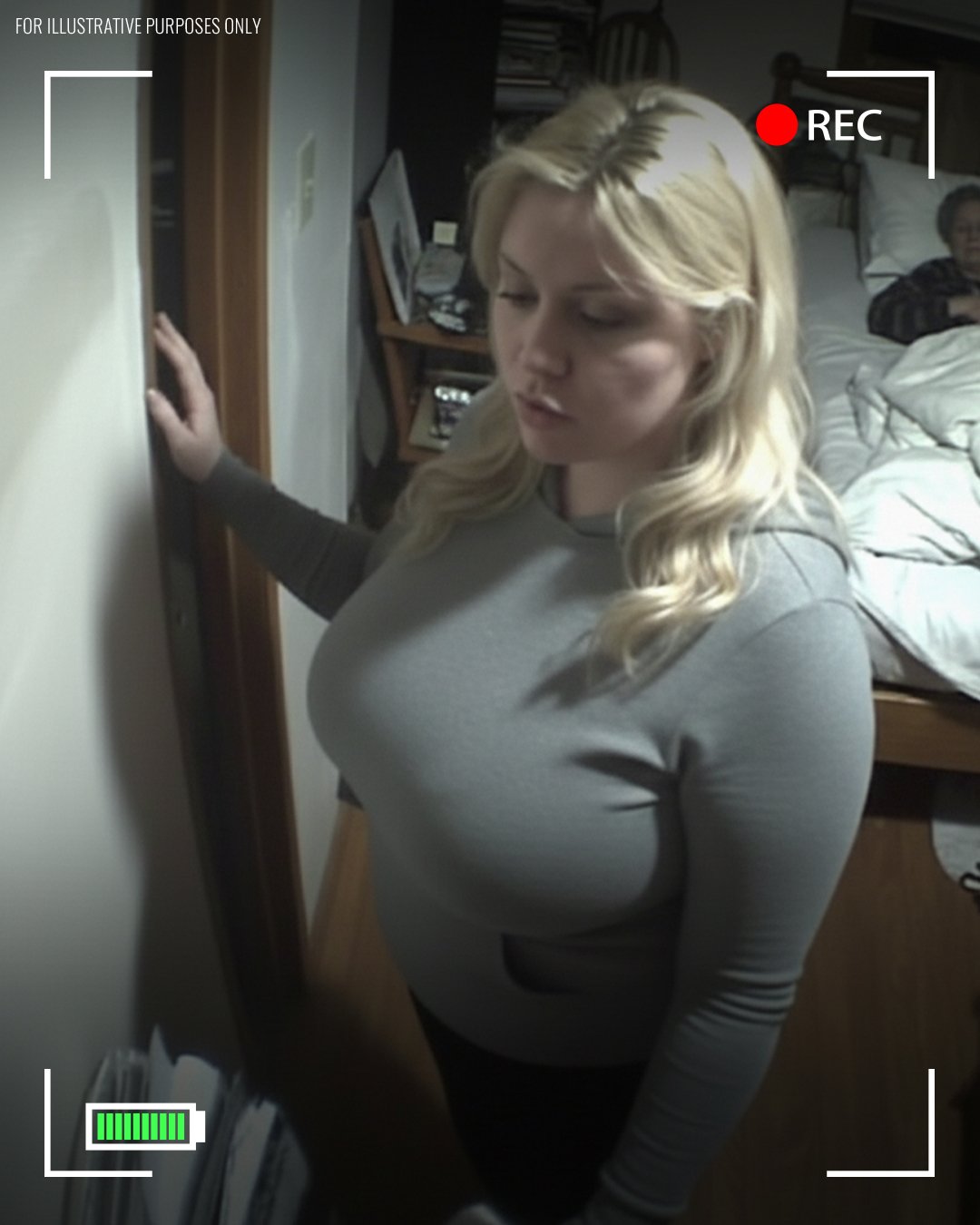
Returning to my childhood home to care for my dying mother, I expected heartache, but not the betrayal that followed. For six weeks, I was her sole caretaker, while my sister, Caitlin, visited only twice, unable to face our mother’s decline. After the funeral, I returned to my life in Chicago, unmoored by grief. Then, an email arrived from Caitlin containing our mother’s will. To my shock, it left everything—the house, the savings, all our family heirlooms—solely to her. My name was absent. The document felt like a verdict, suggesting a lifetime of care and presence meant nothing.
I tried to accept this painful reality, telling myself my sister perhaps needed the support more. But weeks later, I received a devastating message from a family friend: Caitlin was selling our family home to be demolished. The news was a physical blow. The house held every memory of my mother—the porch swing, the pencil-marked hallway, her reading chair. I couldn’t let it be erased. I liquidated my savings and even sold personal items to gather enough cash to buy the house from Caitlin. She accepted the offer with a chilling flippancy, seeing it only as a convenient transaction.
The day I reclaimed the keys, I walked through the silent, dusty rooms, overwhelmed by memory and loss. I hired a contractor, Mikey, to begin careful restoration, wanting to preserve the home’s soul. On the third day, he called me over. Kneeling by exposed floorboards in my mother’s bedroom, he handed me a thin, yellowed envelope with my name on it in my mother’s unmistakable handwriting. Inside was her real, notarized will, dated months earlier than Caitlin’s version. It divided everything equally between us. Caitlin’s document was a forgery.
With the help of my mother’s attorney, I confronted my sister. Over tea at the house, I presented the real will. Her defiance quickly turned to familiar resentment. She claimed she had always lived in my shadow, receiving only “scraps” of our mother’s love. I countered that she had chosen distance, and now had chosen theft. The legal proceedings that followed froze the assets and upheld the authentic will. Caitlin did not contest it; the evidence was undeniable.
In the aftermath, while searching the attic, I found a final, private letter from my mother. She explained that she had left me the home because I was the one who understood its heart. She had written to Caitlin as well, but noted she had few of my sister’s keepsakes to include. Her words were a final, gentle affirmation that healed the deepest wound. Caitlin later tried to reach out, leaving tulips on the porch, but some fractures are too deep to mend.
Now, the restored house stands as a testament to truth and legacy. I sit on the porch swing in the evenings, feeling my mother’s presence in the creak of the wood and the rustle of the leaves. The house is safe, warm, and filled with her spirit. In protecting it, I wasn’t just saving a building; I was honoring a love that had been carefully, faithfully documented, waiting beneath the floorboards all along to set things right.