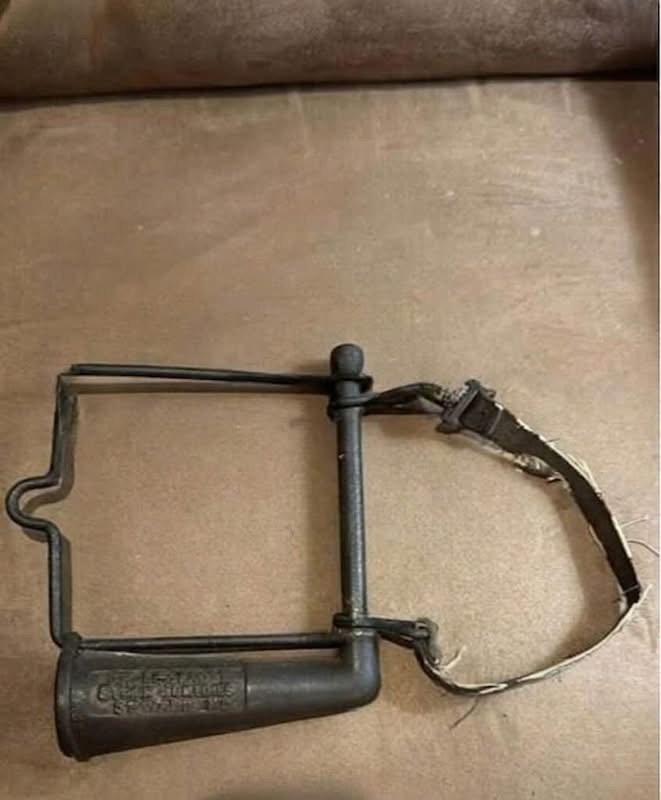
Modern veterinary care has advanced tremendously, making it easy to forget how challenging animal treatment once was for rural farming communities. Long before tractors replaced horses and veterinary clinics became widely accessible, farmers relied on practical tools and hands-on knowledge to care for the animals that powered everyday life. Among the most fascinating relics from that era is the antique horse drencher, a brass instrument designed to deliver liquid remedies to horses during times of illness. While unusual in appearance to modern audiences, this historic device represents an important chapter in the evolution of animal care, agricultural survival, and early rural innovation.
During the nineteenth and early twentieth centuries, horses played a central role in transportation, farming, and trade across much of America. Keeping them healthy was essential not only for daily work but also for the stability of entire households and communities. The horse drencher became a valuable solution for administering liquid treatments to animals suffering from digestive discomfort and other common conditions. At a time when veterinary resources were limited in remote areas, farmers depended on tools like this to provide immediate care. Its design reflected both practicality and a growing understanding of how to safely treat large working animals under difficult conditions.
The craftsmanship behind these antique devices continues to attract collectors and history enthusiasts today. Most authentic horse drenchers were made from durable brass paired with sturdy leather straps, materials chosen for their strength and long-term reliability. The wide funnel and hollow delivery system allowed liquids to flow more efficiently while helping reduce waste during treatment. Modern collectors often search estate sales, rural museums, and antique markets for well-preserved examples because these pieces offer a direct connection to agricultural history and early veterinary practices. Details such as original fittings, aged patina, and structural integrity can significantly influence their historical value.
Beyond their collectible appeal, antique horse drenchers remind us how innovation often begins with necessity. Early farmers and caretakers developed creative solutions using the resources available to them, laying the groundwork for safer and more advanced veterinary methods that followed decades later. Over time, medical technology evolved toward gentler and more precise treatment systems, improving comfort and care for animals everywhere. Today, these historic tools serve as educational reminders of the dedication people once showed toward the animals that supported their livelihoods. What may appear to be an unfamiliar metal artifact is often a meaningful symbol of resilience, craftsmanship, and the enduring bond between humans and animals.