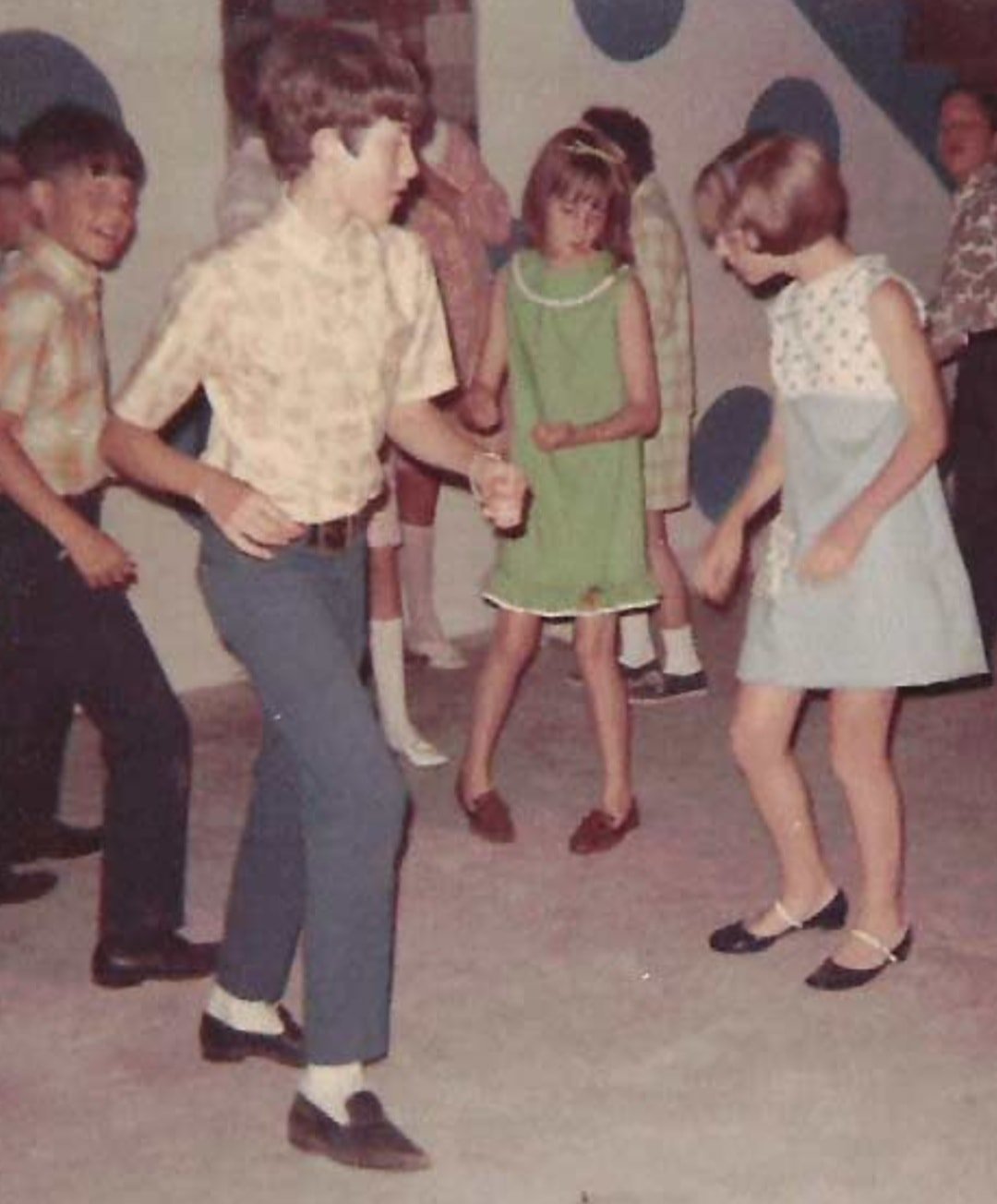
We are the last of a certain breed. Our childhood is a country that no longer appears on any map. We remember the texture of a world untouched by the constant glow of screens, a time when the day ended not with a notification, but with the sound of a mother’s voice calling us home from the gathering dark. We were the final generation to know a life of unstructured, unhurried freedom, and though that world has vanished, its imprint on our souls is permanent.
Our mornings began with a walk. Not a chore, but a small daily adventure. We traveled to school on foot, our paths weaving through neighborhoods where every crack in the sidewalk and every overgrown hedge was familiar territory. We felt the seasons change on our skin—the damp chill of autumn fog, the first warm breeze of spring. There was no GPS tracking our progress, only an internal compass built from landmarks: the giant oak tree, the house with the blue door, the corner store. We learned the world by moving through it, at a human pace, collecting observations and conversations that no car ride could ever provide.

After school, our time was our own. We exploded out the door into a world of pure possibility. Our playground was the entire block, the empty lot, the nearby woods. Entertainment was not consumed; it was invented. We built kingdoms from cardboard boxes, held secret meetings in treehouses, and turned a simple game of tag into epic sagas that lasted for weeks. Boredom was not a crisis; it was the fertile ground where creativity took root. We learned to negotiate, to lead, to mend a bicycle chain, and to resolve arguments face-to-face, because there was no screen to hide behind.
Our connections were direct and uninterrupted. A phone was anchored to a wall, and a long conversation meant sitting on the floor with a coiled cord stretched across the room. Television was a shared, scheduled event, and when the national anthem played at midnight, the world gently signed off. Music was a tangible treasure, lifted from a record sleeve, with artwork you could hold and liner notes you could read. We knew how to be fully present in a room with other people, to listen without half of our attention waiting for a buzz in our pocket.

We stand now as bridges between two eras. We remember the profound quiet of a world not yet digitized, and we navigate the dazzling noise of the present. That old world is gone, and we are the last who lived in it. But we carry its gifts within us: the ability to find wonder in simplicity, the understanding that true connection requires presence, and the quiet knowledge that some of the best things in life don’t need to be plugged in. We are a fading echo of a slower time, and that makes our memories, and our perspective, priceless.