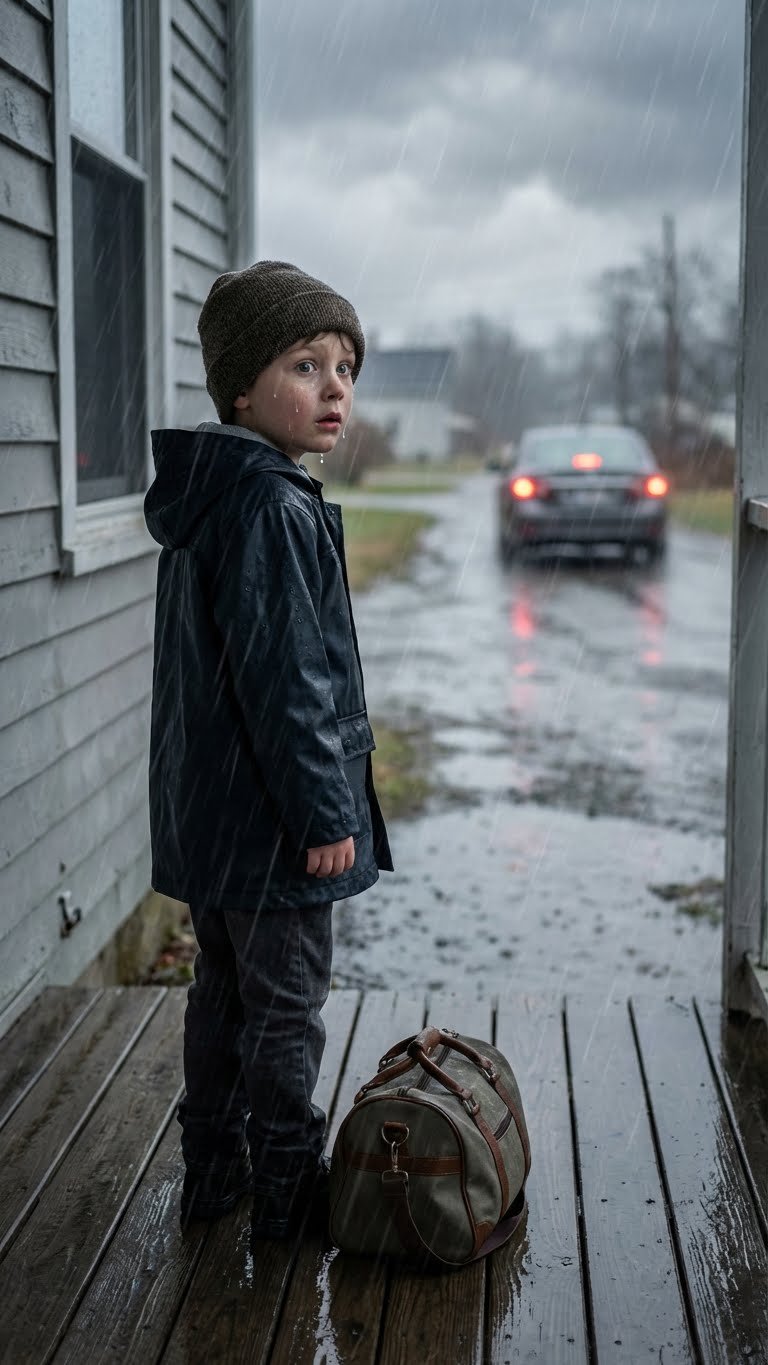
Twenty-one years is a long time to carry the memory of a cold, rainy night and a set of retreating taillights. I was seven when my mother and stepfather told me I “brought bad luck” and left me on my grandparents’ porch. That night became the silent engine of my life. I worked, studied, and built a freight company from nothing, becoming a success story that hid an old, familiar wound. Then, in the middle of an ordinary day, they walked back into my office. The people who had abandoned me were now destitute, desperate, and asking for my help.
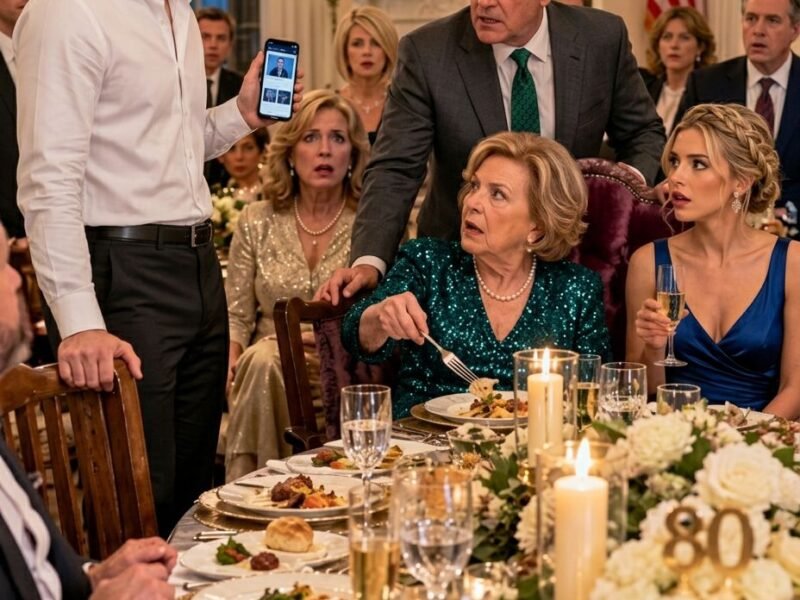
They stood in my sleek conference room, a stark contrast to the wealth around them. My mother cried; my stepfather was stiff with broken pride. They laid out their tragedies: job loss, foreclosure, medical debt. They asked for a handout, appealing to a concept of “family” they had violently revoked decades earlier. The old anger simmered, but a colder, clearer thought emerged. I told them to meet me the next day. I drove them to the construction site of my company’s new headquarters, a symbol of everything I had built without them.
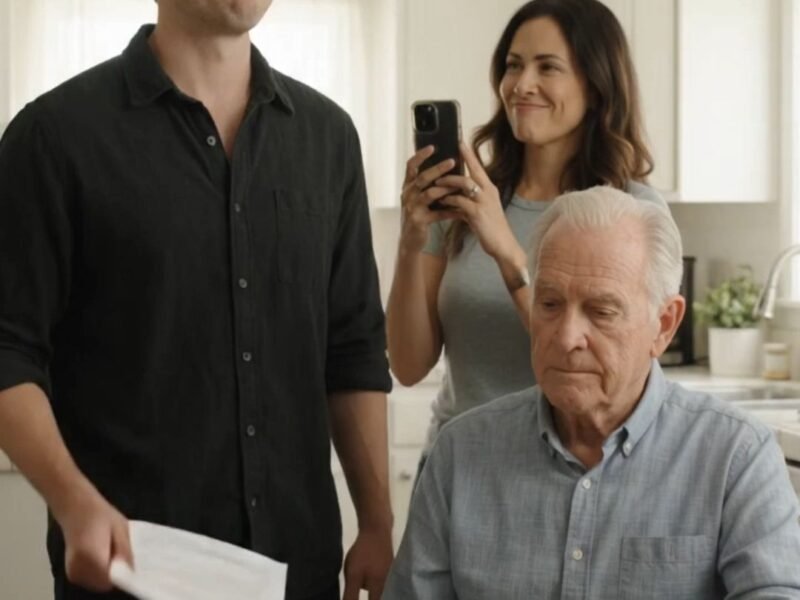
I showed them the future, and then I offered them a choice. I handed them job applications—for janitorial and cafeteria work. Not a check, not a free apartment, but a chance to earn their own way. The shock and humiliation on their faces was palpable. My stepfather sputtered, asking if I expected them to clean floors for me. I corrected him: they would be working for themselves, for the first real self-respect they might ever know. I was not giving charity to the people who left a child in the rain. To my surprise, they accepted. They showed up. Day after day, they did the work.
Weeks turned into months. I watched them change. The performative pride faded into a quiet, steady dignity. One afternoon, my stepfather admitted his cowardice, his regret real and raw. My mother said they no longer asked for forgiveness, just the chance to be better. The revenge I had fantasized about for years felt hollow. In its place, I found something more valuable: my own freedom from their shadow. When the community center I’d funded for abandoned kids—the Second Chance Initiative—opened, I stood with them before the crowd. I acknowledged them not as parents, but as proof that people can change, and that strength is often forged in abandonment. They left that day not with my money, but with their self-respect. And I was finally left with peace.