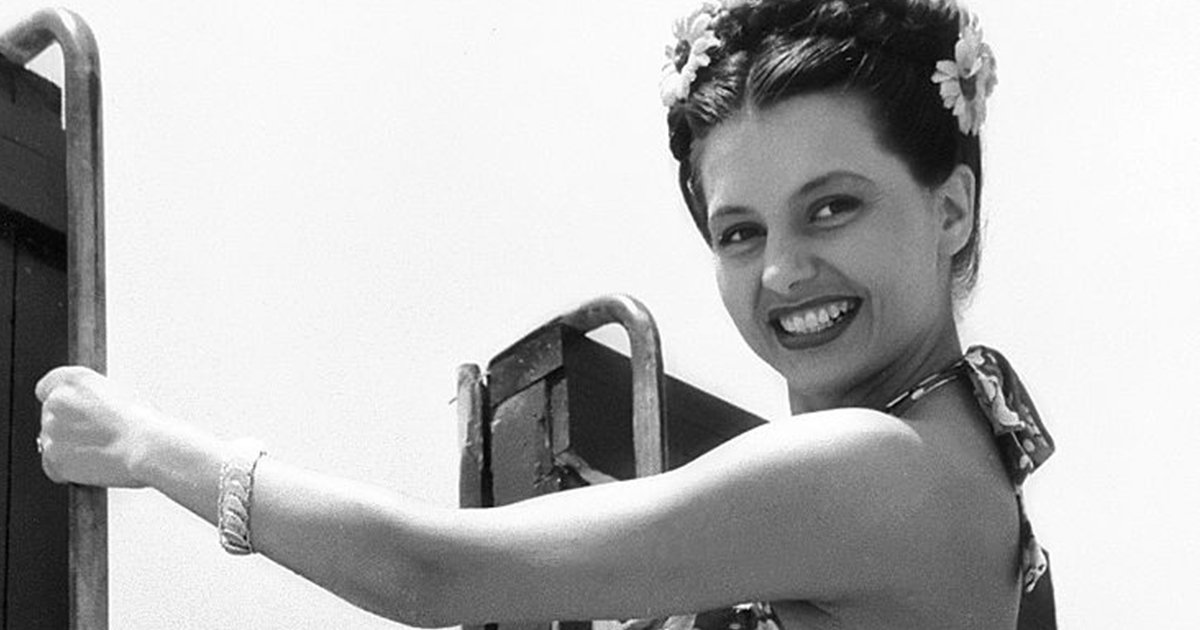
In the dazzling firmament of Hollywood’s Golden Age, Cyd Charisse shone with a unique and powerful light. She was the epitome of grace, a dancer whose long, sculpted legs and captivating presence became as iconic as the films she graced. To watch her move was to witness pure physical artistry, a seamless blend of balletic precision and cinematic magnetism. Her partnerships with legends like Fred Astaire and Gene Kelly are etched into the history of film, yet her journey to that pinnacle was one of overcoming profound physical adversity.
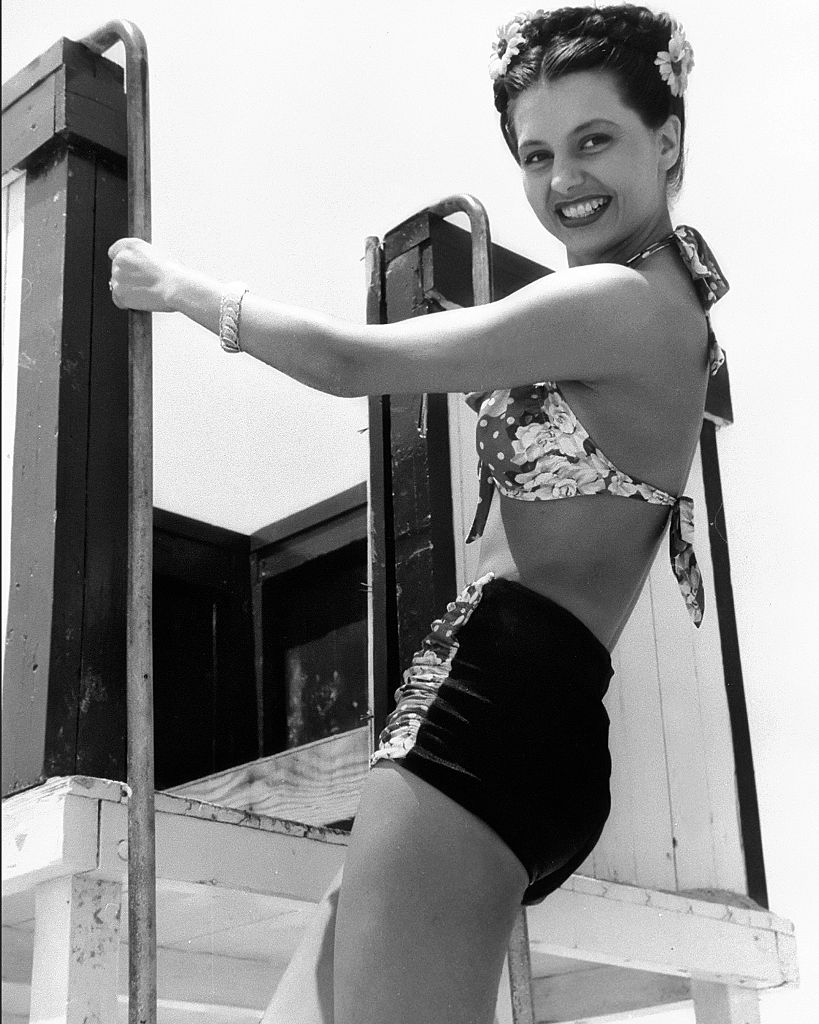
The star we know as Cyd Charisse began life as Tula Ellice Finklea, a sickly child from Amarillo, Texas. A bout of polio left her frail, and it was on doctor’s orders that she was first enrolled in ballet classes. What was intended as physical therapy quickly ignited a lifelong passion. The skinny girl discovered a powerful strength and discipline in dance, a talent so pronounced it took her from Texas to the prestigious ballet schools of Los Angeles, London, and Paris. It was during this formative period that she crafted her stage name, evolving from a childhood nickname into the singular “Cyd Charisse.”
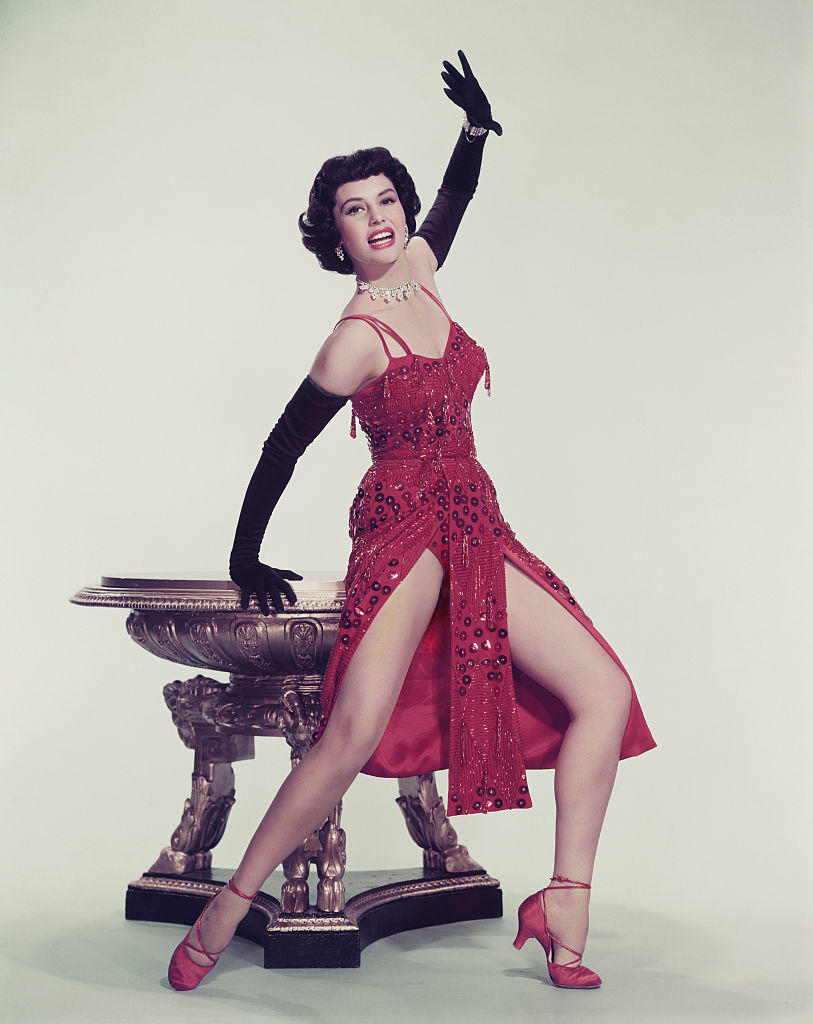
Her entry into Hollywood was humble, beginning with uncredited roles as a background dancer. However, her poise and technical mastery were impossible to ignore. MGM soon signed her, recognizing a rare talent who could hold her own against the era’s greatest male dancers. Her breakout moment arrived in the classic “Singin’ in the Rain,” where, without speaking a single word, her mesmerizing performance in the “Broadway Melody” ballet became one of the most iconic sequences in movie history. Clad in a sparkling green dress, she was the embodiment of glamour and desire.
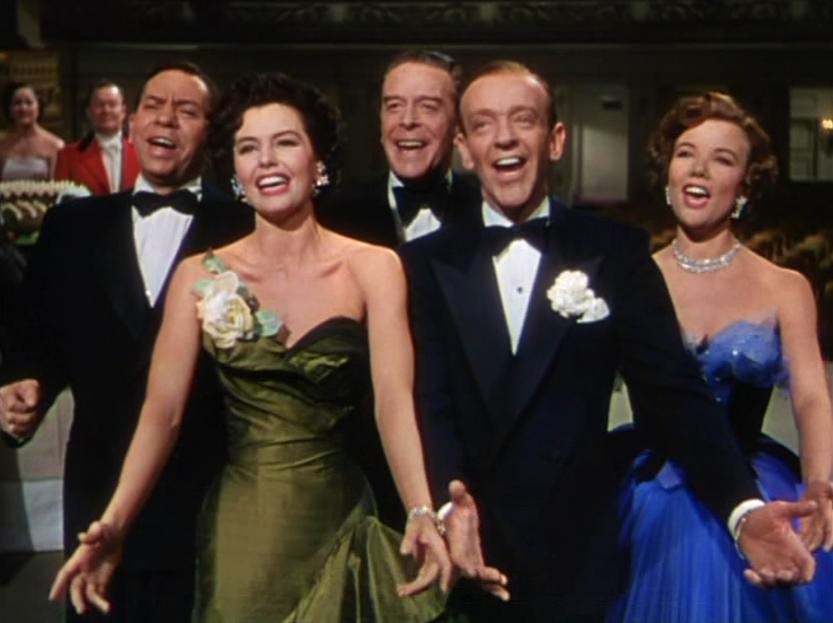
Charisse possessed a unique ability to convey complex emotion purely through movement. Her legendary partnership with Fred Astaire in “The Band Wagon” showcased this perfectly; in the “Dancing in the Dark” sequence, they moved with a sublime, romantic synergy that Astaire himself praised as “beautiful dynamite.” When asked to choose between dancing with Astaire or Gene Kelly, she wisely demurred, comparing them to apples and oranges, acknowledging both as the two greatest dancing personalities ever to grace the screen.

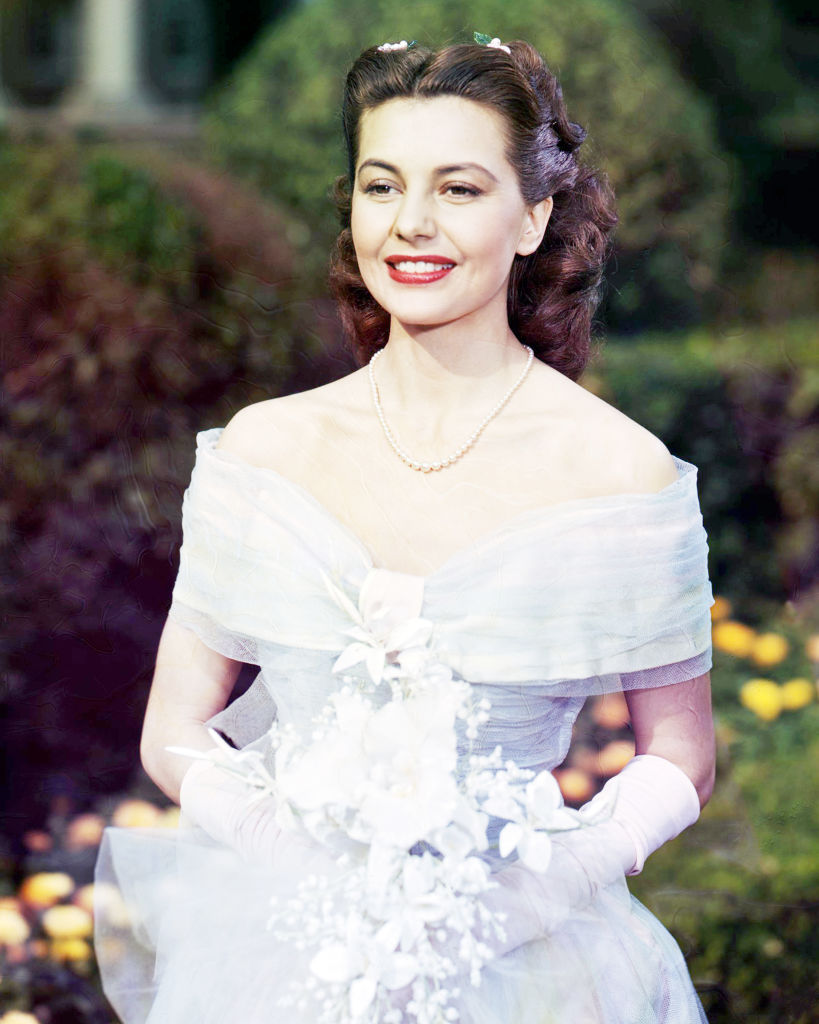
Beyond the glamour, Charisse’s life was marked by both enduring love and profound tragedy. She enjoyed a stable, sixty-year marriage to singer Tony Martin, a rarity in Hollywood. Yet, her family was struck by the 1979 American Airlines Flight 191 disaster, which claimed the life of her daughter-in-law. Cyd Charisse passed away in 2008, but her legacy endures. She was more than a supporting player; she was a powerful artist who redefined the role of the female dancer, leaving behind a body of work that continues to inspire with its elegance, strength, and breathtaking beauty.