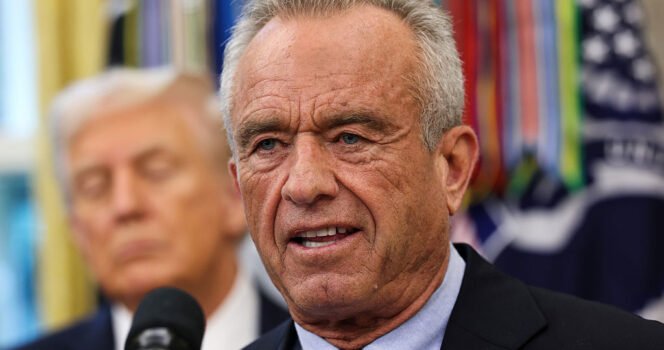
A recent high-level government meeting has become the center of a medical controversy after Health Secretary Robert F. Kennedy Jr. reiterated his widely disputed theories about the causes of autism. During discussions with former President Donald Trump and other cabinet members, Kennedy stood by his claim that the common pain reliever Tylenol could be linked to autism in children. This assertion has been repeatedly rejected by the broader scientific community, which maintains there is no credible evidence to support such a connection.
The theory is not new, but Kennedy’s platform as Health Secretary has amplified concerns among doctors and public health experts. Major medical institutions and autism advocacy groups have consistently stated that research does not support a link between prenatal Tylenol use and autism. The manufacturer of Tylenol has publicly disagreed with the allegations, and organizations like the National Autistic Society have labeled such comments as “dangerous, anti-science, and deeply irresponsible,” warning they could mislead the public and create unnecessary fear.
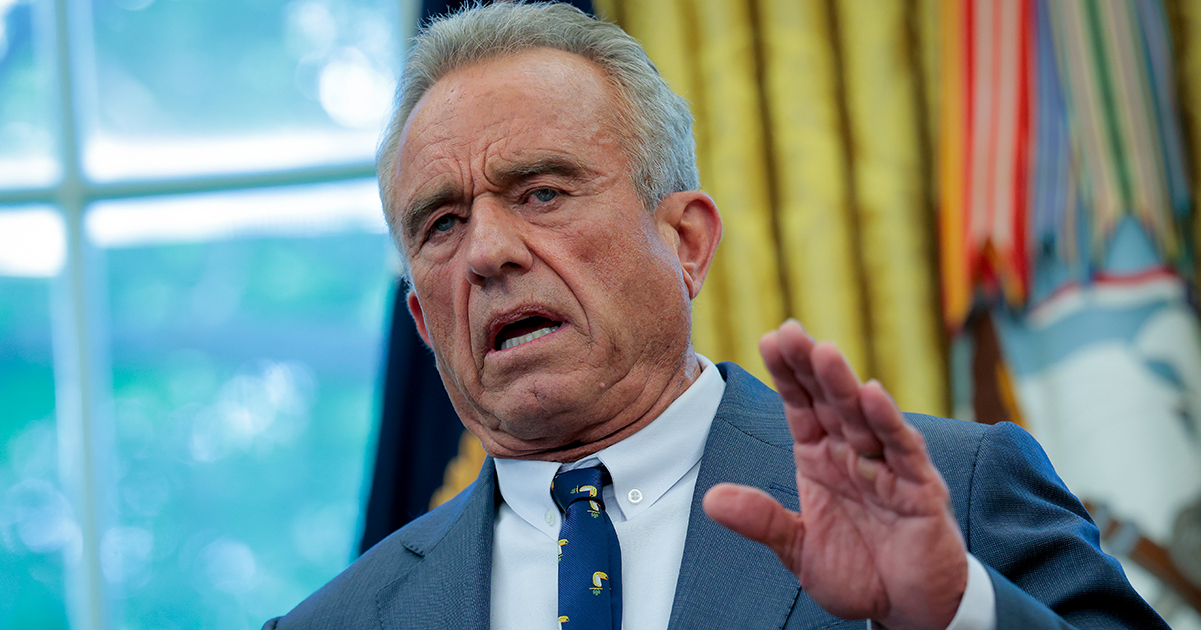
During the meeting, Kennedy expanded his argument, reviving another controversial claim that infant boys who are circumcised have a higher rate of autism. He suggested this was because Tylenol is often given to manage post-procedure pain. This appears to be a reference to a 2015 Danish study that noted a correlation, but the researchers themselves cautioned that correlation is not causation and emphasized they had no data on painkiller use. Presenting a complex correlation as a definitive cause is a significant point of contention for scientists.
The situation was further complicated by a factual error, when Kennedy mistakenly stated that a developing baby is in the “placenta” rather than the uterus. Such misstatements have led critics, including former President Barack Obama, to voice concerns about the administration’s direction on public health policy. The core worry among experts is that the promotion of unverified theories from a position of authority can erode public trust in established medicine and divert attention from the real, ongoing research into autism’s complex origins.
RFK Jr: There are two studies that show children who are circumcised early have double the rate of autism. It's highly likely because they were given Tylenol."
Wut
pic.twitter.com/dliR1agiEJ— Republicans against Trump (@RpsAgainstTrump) October 9, 2025
The debate now extends beyond the medical claims themselves to a larger question of accountability. As Health Secretary, Kennedy’s words carry significant weight. The central conflict pits the principle of free speech against the responsibility that comes with public office, especially when statements have the potential to influence health decisions made by millions of parents and caregivers.