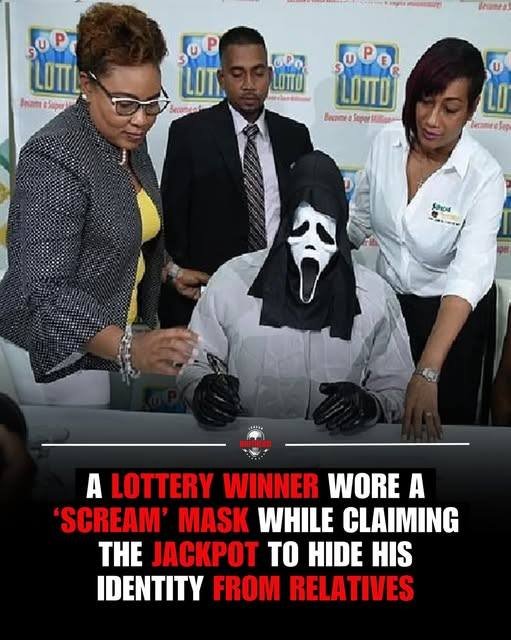
The image of a lottery winner in a ghoulish mask seems straight out of a movie, but it’s a growing symbol of a serious financial strategy: radical privacy. This winner’s theatrical approach underscores a vital lesson for anyone who dreams of a windfall: protecting your identity isn’t anti-social; it’s the first and most important step in protecting your future. In a world where information is permanent and attention is relentless, anonymity is the smart winner’s most valuable asset.

Consider the aftermath of a public claim. Your life becomes an open ledger. Former acquaintances, distant family, and complete strangers feel entitled to a claim on your luck. The ensuing barrage of requests isn’t merely a nuisance; it can lead to financial mismanagement, strained family bonds, and profound personal stress. Studies and countless anecdotes reveal that public winners often face higher rates of bankruptcy, litigation, and personal turmoil than those who remain anonymous.

Choosing privacy is an act of reclaiming control. It allows for the quiet implementation of essential steps: consulting financial advisors, creating a sane budget, and planning for long-term security without the distorting pressure of public expectation. It lets you be generous intentionally, not reactively. The masked winner, therefore, isn’t a quirky outlier but a role model for rational thinking. They prioritized long-term well-being over short-term applause, understanding that true wealth isn’t just a number in an account, but the peace of mind to enjoy it without fear or frenzy. Their choice is a powerful argument that in the digital age, the wisest investment you can make after a windfall is in your own invisibility.

I hope these three versions provide the distinct perspectives you were looking for. Each article focuses on a different core argument—self-preservation, the psychological cost/benefit analysis, and anonymity as a strategic financial decision. Would you like any adjustments to the tone or focus?