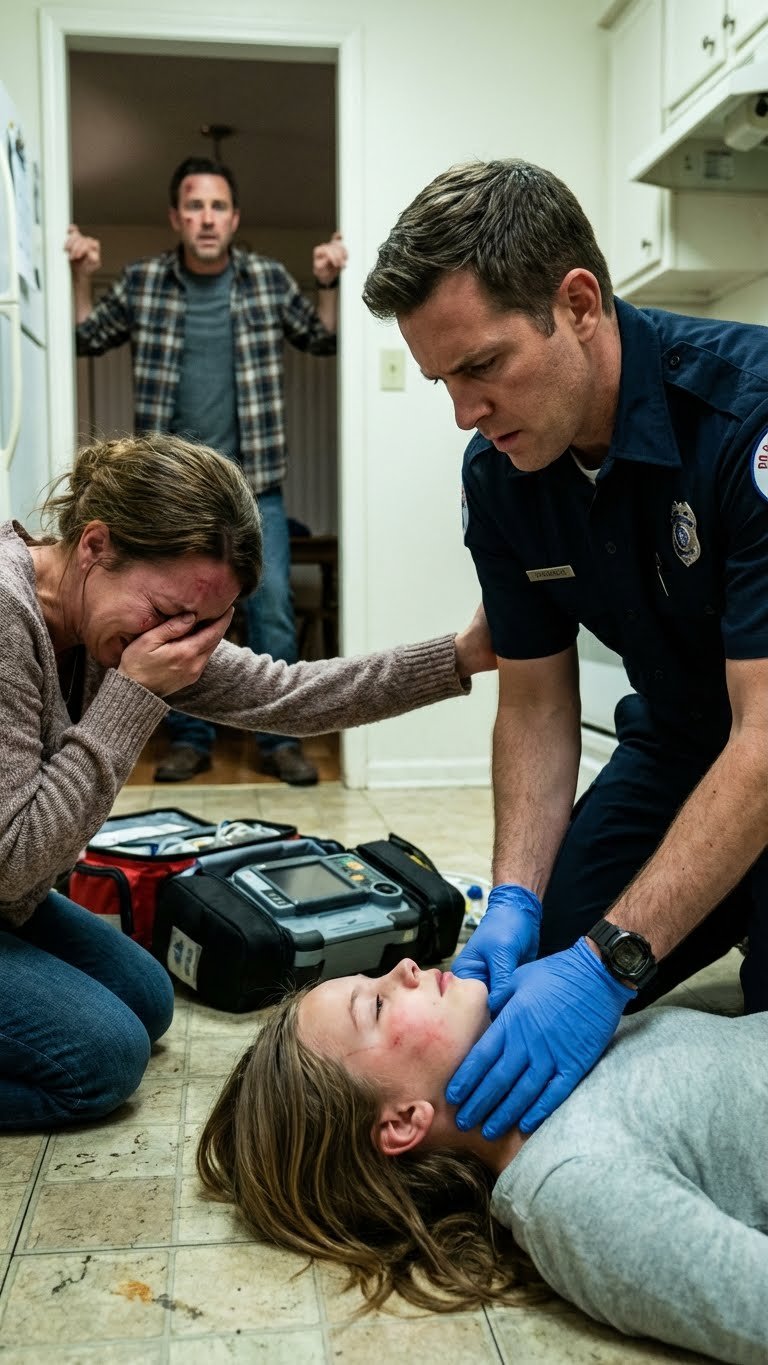
Chaos arrived at 2 a.m. in the form of my battered sister and her terrified daughter. In that moment, instinct screamed for a direct, physical response to the man who hurt them. But as an MP, I knew that lasting safety isn’t won in a hallway confrontation; it’s built in the meticulous, often tedious, world of evidence. The real enemy was a web of abuse, financial exploitation, and familial betrayal. To defeat it, I had to become a forensic architect, constructing an unassailable legal case that would protect them long after my anger faded.
The strategy was multiphase. First, secure the immediate perimeter: medical care, a protective order, and a safe house. Next, gather intelligence: bank records showing Khloe’s disability funds funding a lavish lifestyle, sworn statements from witnesses, and a recorded attempt at witness intimidation. With our attorney, we transformed this raw data into a narrative for the judge that was irrefutable. We didn’t just ask for protection; we demonstrated a pattern of criminal behavior that demanded it.
The court’s decision was a total victory, but the deeper win is intangible. It’s the sound of Khloe’s laughter in a secure home, the sight of Savannah planning a future without flinching at every noise, and the quiet knowledge that the systems of justice, when navigated with skill and relentless resolve, can work. This experience redefined my duty: the highest form of protection isn’t always standing in front of someone, but sometimes standing beside them in a courtroom, armed with a folder of truth that is more powerful than any threat.