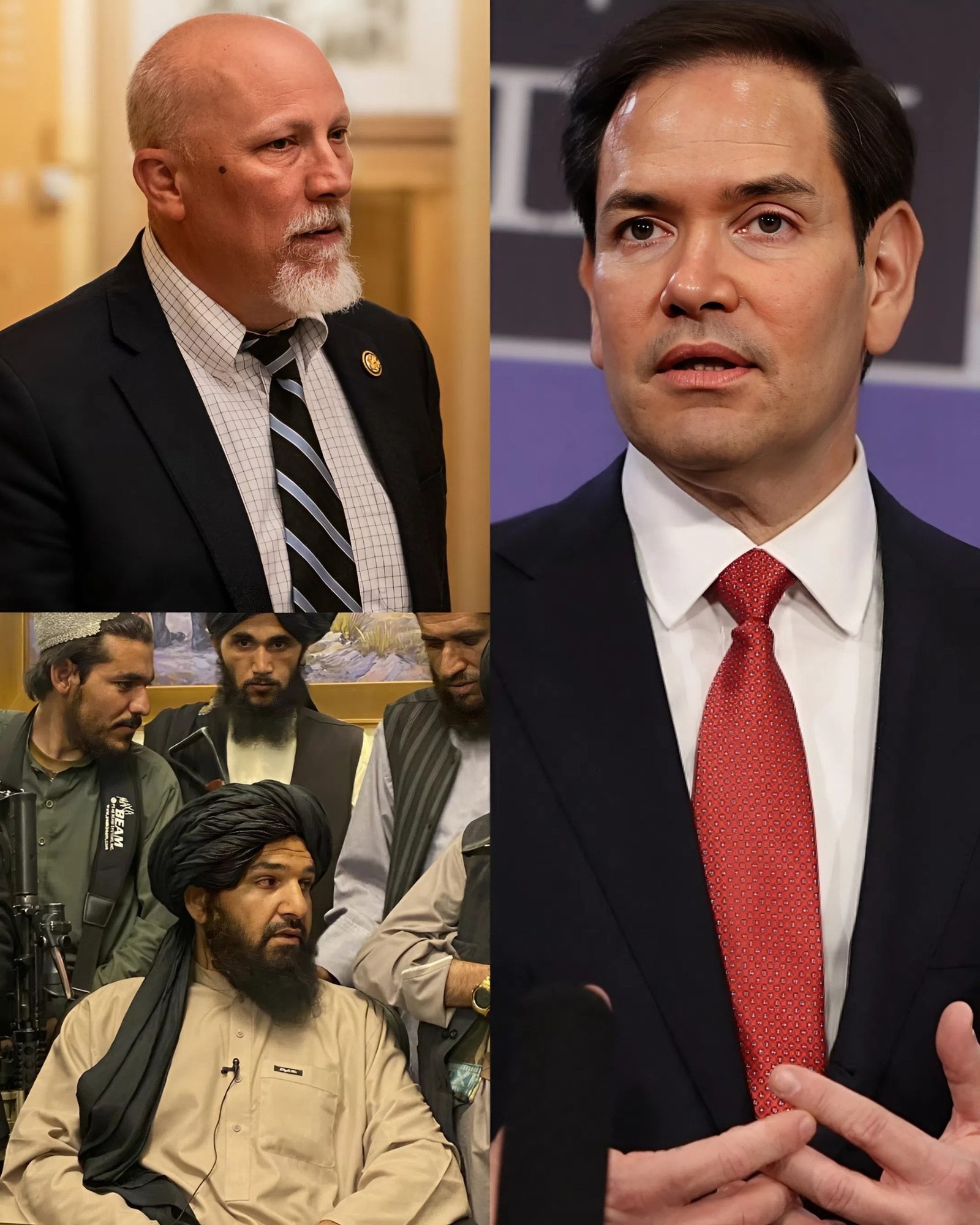
A legislative firestorm has erupted in Congress over a proposal known informally as the “Sharia-Free America Act.” Its official title, the American Courts Act of 2025, belies the intense cultural clash it has sparked. The bill seeks to ban federal courts from enforcing any foreign legal code, specifically citing Sharia law, that contradicts the U.S. Constitution. For its proponents, this is a straightforward defense of American values against incompatible external systems. For its detractors, it is a dangerous and politically charged gesture that unfairly singles out one religion and its adherents.
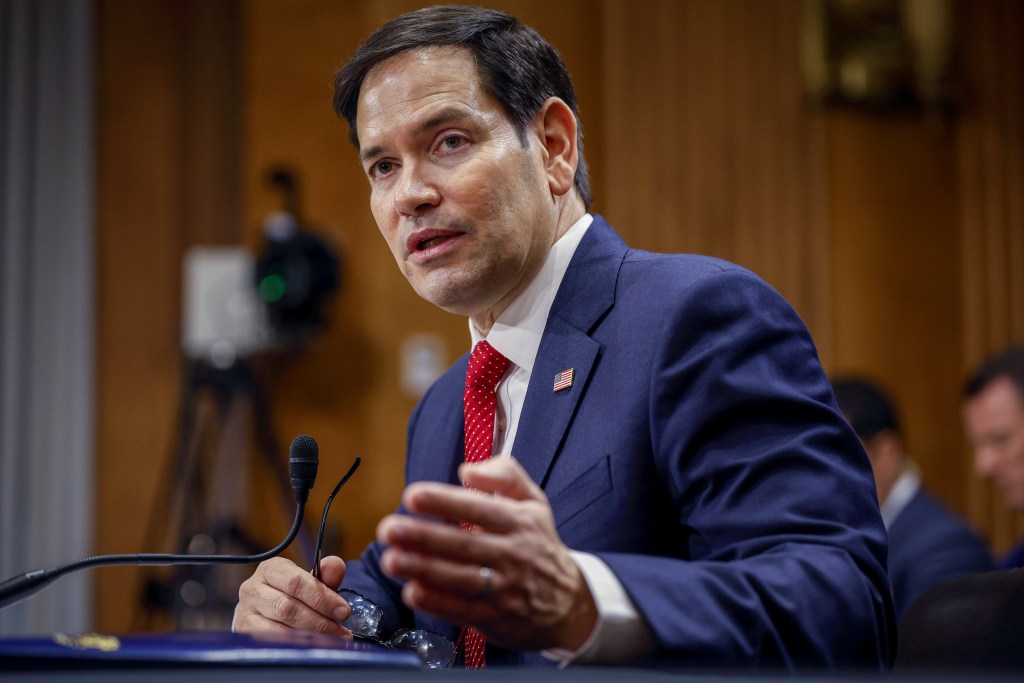
The driving force behind the bill is a conviction that certain principles are non-negotiable. Sponsors Rep. Chip Roy and Sen. Marco Rubio argue that foreign legal doctrines, particularly those with religious origins, must never be allowed to erode constitutional guarantees like gender equality, free expression, and the prohibition of cruel punishment. Rubio’s dramatic statement about “chopping off hands” crossing a “scarlet line” distilled this argument into a powerful, if controversial, soundbite. It resonated deeply with supporters who view the legislation as a necessary bulwark, framing the issue as a clear choice between American enlightenment and what they characterize as medieval tribalism.
Opposition to the bill has been fierce and multifaceted. Civil liberties groups, interfaith organizations, and many legal experts argue it is both unnecessary and inflammatory. They point out that the First Amendment already protects the free exercise of religion, while the Supremacy Clause of the Constitution ensures that no foreign law can supersede federal law. The specific targeting of Sharia, they contend, transforms a theoretical legal safeguard into an act of symbolic hostility toward Muslims. This, they fear, will exacerbate social divisions and validate discriminatory attitudes under the banner of patriotism.

Interestingly, public opinion polls show a notable level of support for the bill’s core premise, cutting across traditional party lines. This indicates a broad public consensus on the supremacy of constitutional rights. However, this very consensus is at the heart of the dispute. Supporters see the poll numbers as validation of common-sense patriotism. Critics argue the public is endorsing a vague ideal—protection of rights—without realizing the bill’s potential to harm a specific religious community and undermine the pluralistic fabric of the nation.
As the debate rages, the American Courts Act has become a lightning rod for deeper anxieties about national identity, immigration, and cultural change. It is less about a likely scenario of Sharia being imposed in U.S. courtrooms and more about defining the boundaries of American tolerance and the limits of multicultural accommodation. Whether the bill passes or fails, the conversation it has triggered will linger, forcing the country to continually reconcile its founding promise of religious liberty with the imperative to maintain a unified legal framework based on universally applied rights.