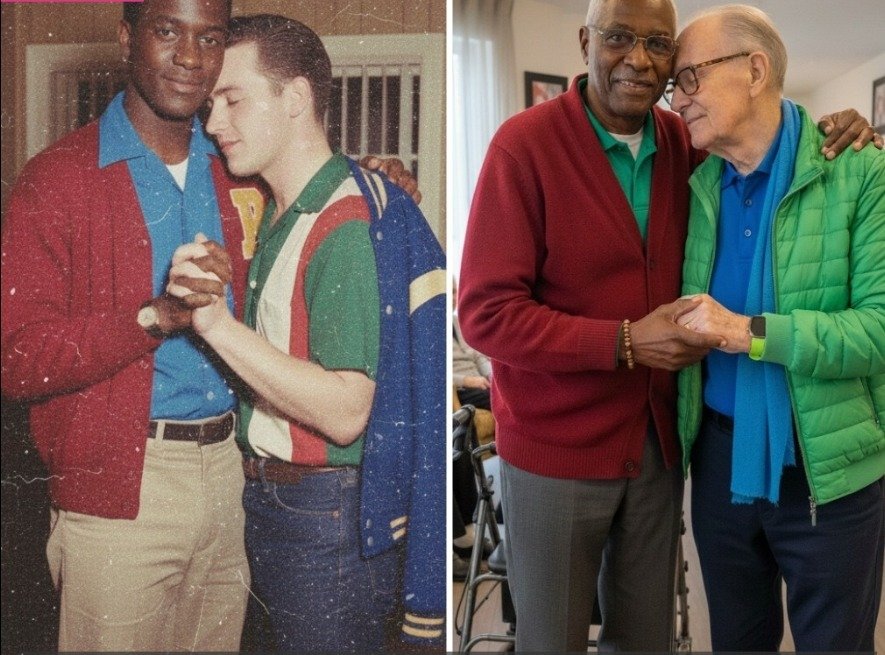
The world of 1965 was a map drawn in strict, unforgiving lines, especially in North Carolina. The Civil Rights Movement thrummed with a tense energy, and social boundaries were not just suggested but enforced. Into this divided landscape walked a calm, confident student named James during a college algebra tutoring session. He was the only Black man in the room, a fact that in that era was a statement in itself. I was there, struggling with equations, and he offered help with a quiet patience that transcended the room’s unspoken dynamics. We started with numbers, but soon we were exchanging chords on a guitar and stories from our lives. It was an unexpected connection, a simple friendship that felt completely natural to us but, we would learn, was anything but simple to the world outside.
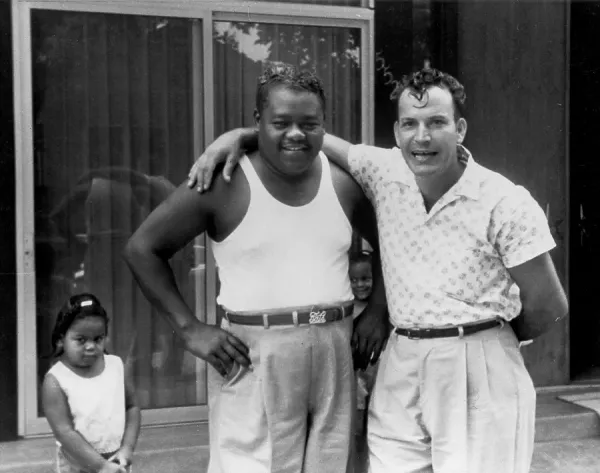
Our sanctuary became a lake on the edge of town, a place where the water and the trees didn’t care about the rules men made. There, we were just two young men talking about everything and nothing—our dreams, our fears, the music we loved, the futures we imagined. He shared experiences I, as a white student, had never had to consider. He opened my eyes to the weight of existing in a world that watched you differently. At the lake, that weight seemed to lift. But the warning came from a friend who saw us there. “People talk,” they said, with a nervous glance. James understood immediately. “We have to be careful,” he told me, his eyes scanning the tree line. I was naive; he was pragmatic. Our friendship, to me, was a private joy. To him, it was a potential danger.

The reckoning was as swift as it was brutal. A simple, affectionate note from James was discovered by my father. His fury knew no bounds. He drove through the night to my dorm, a storm of indignation and fear. The consequences were immediate and severe. James was fired from his tutoring position—the very role that had brought us together. The message was clear and cruel: this friendship was a transgression, and it would not be tolerated. In the upheaval, amidst threats and ultimatums, we were torn apart. I didn’t get to say a proper goodbye. For over fifty years, that unfinished ending lingered in my heart, a quiet ache beneath the surface of a full life—marriage, career, family. I often wondered about James, hoping life had been kinder to him than our parting.
Fate, it seems, believes in second acts. Returning to North Carolina for a college reunion half a century later, I walked the old paths mostly out of nostalgia, not expectation. And there, on a familiar bench, sat an older man with a posture I would have known anywhere. Time had etched its lines, but the spark in his eyes was unchanged. He looked up, and a grin broke across his face. “Took you long enough,” he said. Just like that, five decades collapsed. We talked for hours, a river of words catching up on a lifetime. There were stories of success and loss, joys and sorrows. The old ease returned, but now layered with the wisdom and wear of years lived. We spoke of that long-ago rupture not with bitterness, but with a profound sadness for the time stolen from us by a world too small-minded to understand.
Sitting there as the afternoon light faded, we made a quiet promise to each other—no more lost time. The world had changed, and so had we. The fears that once forced us apart held no power now. What remained, resilient and undeniable, was the friendship forged by a lake so long ago. It had survived not in spite of the years apart, but perhaps because of them, tempered by time into something even more precious. Our story is a testament to a simple, enduring truth: a real connection, once made, can never truly be broken. It can be buried by circumstance, pressured by prejudice, and stretched across decades, but given the slightest chance, it will always find its way back to the light.