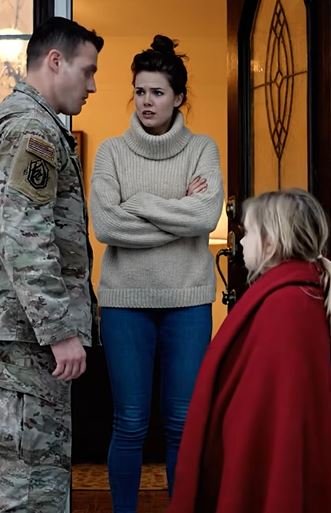
The night I came home early was supposed to be a gift. After over a year away, a last-minute change gave me four extra days, and all I could think about was surprising my four-year-old daughter, Lily. I pictured her morning smile, the way she’d run into my arms. But as I walked up to my own porch in the biting cold, that warm fantasy died. There, curled on the welcome mat in thin pajamas, was a small, shivering shape. My mind rejected it at first—a forgotten blanket, a bundle of laundry—but my heart knew instantly. It was my daughter. The shock was a physical cold that went deeper than the night air. I dropped to my knees, my coat becoming her shelter as I tried to rub life back into her ice-cold skin.
The locked door behind her was a silent, brutal fact. The warm, lit house was holding her out. I called her name, my voice a frayed prayer. When I got no answer from inside, instinct took over. The door gave way not to anger, but to necessity. The rush of heated air from the house felt like a betrayal. Inside, everything was normal: a soft television glow, a cozy blanket folded neatly on the couch. The sheer ordinariness of the scene made the horror on the porch feel even more unreal. As I tended to Lily by the vent, wrapping her tightly, I heard it—a light, careless laugh drifting from upstairs. That sound, more than anything, carved the new reality of my life.
The emergency call was made with a soldier’s flat calm. Holding Lily, waiting for the sirens, time stretched and snapped. Her faint whisper, explaining that Mommy had put her outside for being “too loud,” laid out the entire truth in one heartbreaking sentence. Then came the footsteps. My wife appeared on the stairs, followed by a man I didn’t know. Her annoyance at my early return shifted to fear when she saw the broken door and the child in my arms. Her excuses—that it was just a minute, that she was overwhelmed—rang hollow against the simple, terrible evidence of my daughter’s near-frozen state.
At the hospital, as Lily slowly warmed under medical care, the final pieces settled into place. My wife’s pleas and justifications centered not on remorse, but on the bad timing of my arrival. She depended on not being caught, not on doing right. In that sterile, bright room, I made the quiet, irrevocable decision that my marriage, as I knew it, was over. My duty had permanently shifted. The discussions that followed with officials about safety and plans were just procedure. The core truth was already determined: I would become the unwavering protector my daughter needed.
Life now is a different kind of mission. The memories are heavy, but the healing is real. Lily’s laughter has returned, less guarded now. She sleeps more soundly. When she asks if I’m leaving again, I don’t make empty promises. I tell her I will always ensure she is safe. That is the vow that matters. I learned that the greatest test of strength isn’t found in distant conflicts, but in the quiet resolve to build a home where a child never has to wonder if she’ll be left out in the cold.