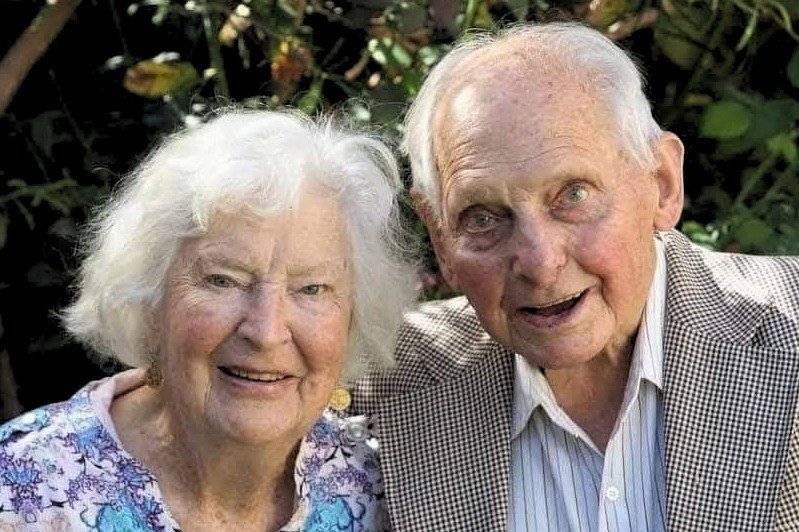
In our fast-paced digital age, a remarkable and dwindling group walks among us. Those born between 1930 and 1946 now constitute a rare 1% of the global population, aged 77 to 93. They are more than just seniors; they are living bridges connecting our modern world to a past defined by profound transformation. Their lives are not merely stories of old age, but firsthand chronicles of a century’s most pivotal shifts, from the depths of despair to the pinnacle of human achievement.
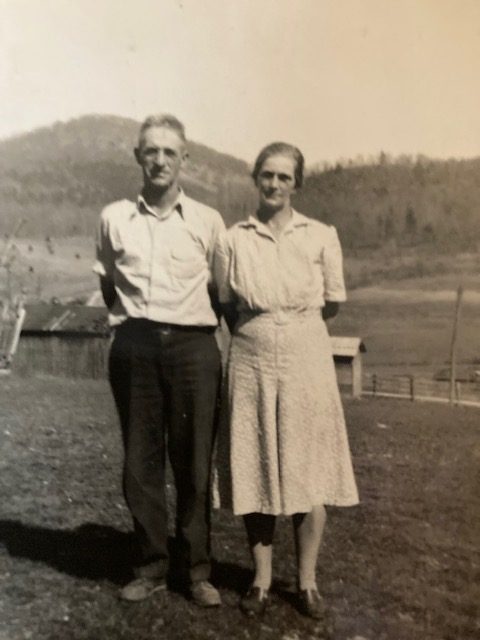
This generation’s origin story was written in hardship. Their earliest memories are often painted in the stark tones of the Great Depression. They learned the language of scarcity before they learned to read. Soup kitchens, rationing, and the careful hoarding of every scrap of tin foil or piece of string were not historical concepts but the fabric of daily life. From this, they absorbed an indelible lesson: nothing is to be wasted, and everything of value is earned. This foundational experience forged a character of resilience and profound appreciation, traits that would become their compass.
Just as they found their footing, the world plunged into global war. Their childhoods were punctuated by air raid sirens, blackout curtains, and the aching absence of fathers and brothers. They witnessed unity born of collective struggle, seeing communities band together with a shared purpose. The end of World War II didn’t just bring peace; it unleashed a tidal wave of optimism. This generation, tempered by deprivation and conflict, suddenly stood at the threshold of a booming, hopeful new world. They moved into suburbs, embraced new technologies like television, and helped build a period of unprecedented stability and growth.
Their youth was sculpted by simplicity and imagination. Entertainment wasn’t streamed; it was created outdoors with friends or shared around a family radio. Connections were face-to-face, neighborhoods were playgrounds, and security was felt, not just hoped for. They entered adulthood during a golden age of progress, witnessing the dawn of the Space Age and the fight for civil rights. They adapted to revolutions in communication—from party lines to personal computers—without losing the core values forged in their youth.
Today, they represent the last living link to a world that operated on a fundamentally different rhythm. They are the final generation to remember a life before digital noise, before globalized fear, and before the concept of disposable things. Their legacy is not just in the history books they lived through, but in the quiet strength, the enduring work ethic, and the deep-rooted sense of community they embody. As their numbers gently fade, they leave behind a powerful reminder: that the greatest human tools for navigating change are not found in technology, but in resilience, adaptability, and an unwavering grip on hope.