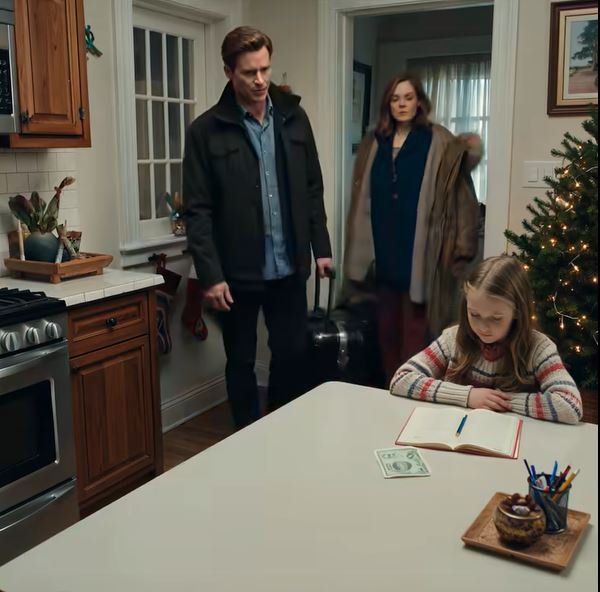
When I was twelve years old, my father left a fifty-dollar bill and a note on the kitchen table. He and my mother were going to Europe for a month. There were no instructions, no emergency contacts, just the quiet click of the front door locking behind them. The house felt immense and hollow, a shell I had to learn to inhabit alone. I didn’t cry or call for help. I adapted. That month of silence and empty cupboards taught me more about survival than any childhood lesson ever should.
I remember the eerie normalcy of the first few days. The refrigerator hummed, the sprinklers ticked outside, and the world went on as if nothing was wrong. I went to school, smiled when expected, and hid the growing quiet inside me. I rationed food, learned which house sounds were normal and which were not, and slept with my door locked. A neighbor’s kindness—a warm casserole left on the step—felt more dangerous than comforting because it made me want to rely on someone. I couldn’t afford that. The primary lesson wasn’t about independence; it was about understanding that no one was coming to save me.
When they returned, tanned and laden with souvenirs, they expected to find a child in chaos. Instead, they found order. The house was clean, the calendar marked, and I was unharmed. My father’s reaction wasn’t relief—it was confusion, then a dawning, unsettling fear. He realized I hadn’t needed him to survive. That realization created a crack in his world, a crack that would widen with every passing year. The child he left behind was gone, replaced by someone he didn’t recognize and could no longer control.
That month became the foundation of my life. The skills of endurance, observation, and quiet discipline I learned alone were the very skills that later thrived in the structured world of the Marine Corps. Boot camp wasn’t a shock; it was a familiar environment where my competence was recognized, not feared. I built a career on the bedrock of that lonely childhood, earning rank and respect in a world far removed from that beige suburban house.
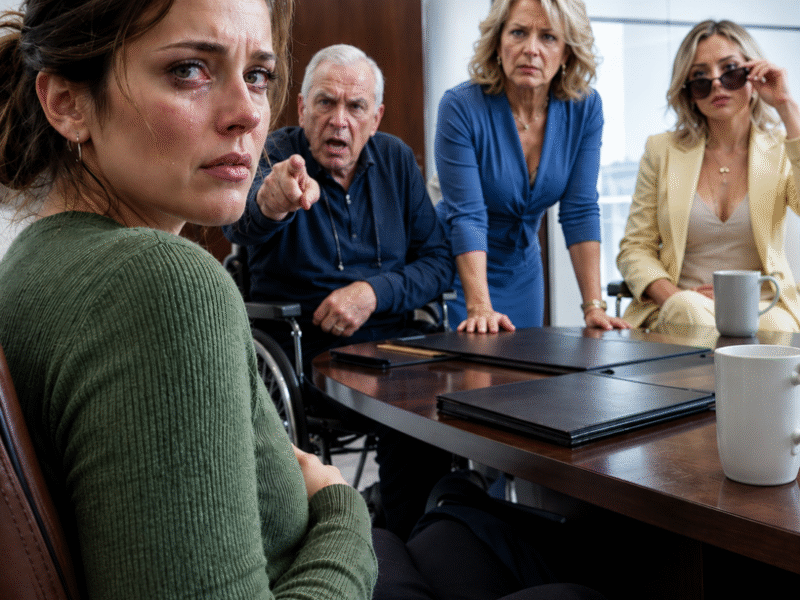
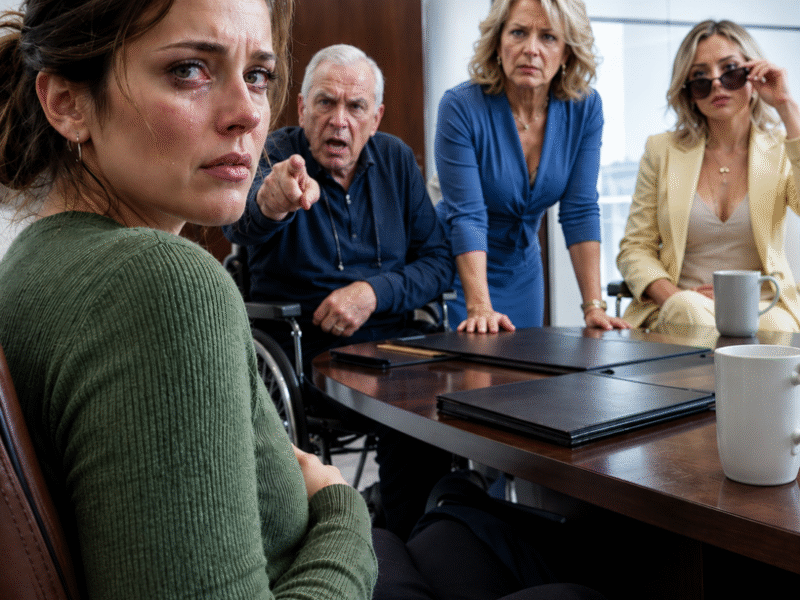
Years later, in a professional setting where my authority was clear and his was peripheral, my father finally saw the full result of his absence. He addressed me as “Ma’am,” and in that single word, a lifetime of unspoken history settled between us. There was no dramatic confrontation, only the quiet clarity of consequences. The story ends not with a grand reconciliation, but with a settled peace. They didn’t break me; they accidentally showed me my own strength. And in doing so, they lost the right to ever define the person I became.