In the world of Hollywood, where fame is often the ultimate prize, the deliberate decision to walk away is a rare and fascinating story. Bridget Fonda, the captivating actress who defined a certain ’90s cool with films like “Single White Female” and “Jackie Brown,” represents one of these intriguing tales. For a time, she was everywhere, a talented performer with a legendary last name who seemed destined for a long-lasting career. Then, almost without warning, she vanished from the screen, choosing a life away from the glitter and glare of the spotlight. Her story is not one of scandal or misfortune, but rather a conscious choice for a different kind of fulfillment.

Born into the prestigious Fonda acting dynasty, the industry seemed to be her birthright. With Henry Fonda as her grandfather and Jane Fonda as her aunt, the pressure to succeed could have been immense. Yet, Bridget often downplayed this, expressing a pragmatic view that if she “blew it,” she blew it. Her early career was marked by a steady climb, moving from a small role in “The Godfather Part III” to becoming a leading name in thrillers and independent films. She cultivated an image that was both accessible and enigmatic, the girl-next-door with a sharp edge, and for a while, she fully embraced the creative life she was born into.

As the new millennium unfolded, a shift began. After a prolific run through the ’90s, her pace slowed. Her final on-screen role came in 2002 with the TV movie “Snow Queen.” At just 38 years old, with nearly 50 credits to her name, she stepped away. The decision was final and decisive. The reasons were not announced with great fanfare but were rooted in a changing personal life. Her marriage to composer Danny Elfman in 2003 and the birth of their son, Oliver, in 2005 created a new center of gravity. The priorities of Hollywood red carpets and film sets were replaced by the quiet, profound demands of family.

A serious car accident in 2003, from which she miraculously escaped with minor injuries, also served as a stark reminder of life’s fragility. This event likely reinforced her desire for a more grounded existence. In the years since, she has steadfastly maintained her privacy, with only occasional paparazzi photos sparking public conversation. These images, often critiqued for her “unrecognizable” appearance, miss the entire point of her journey. She is not trying to be recognized; she has chosen the freedom of being a civilian, a term she herself has used to describe her contentment.


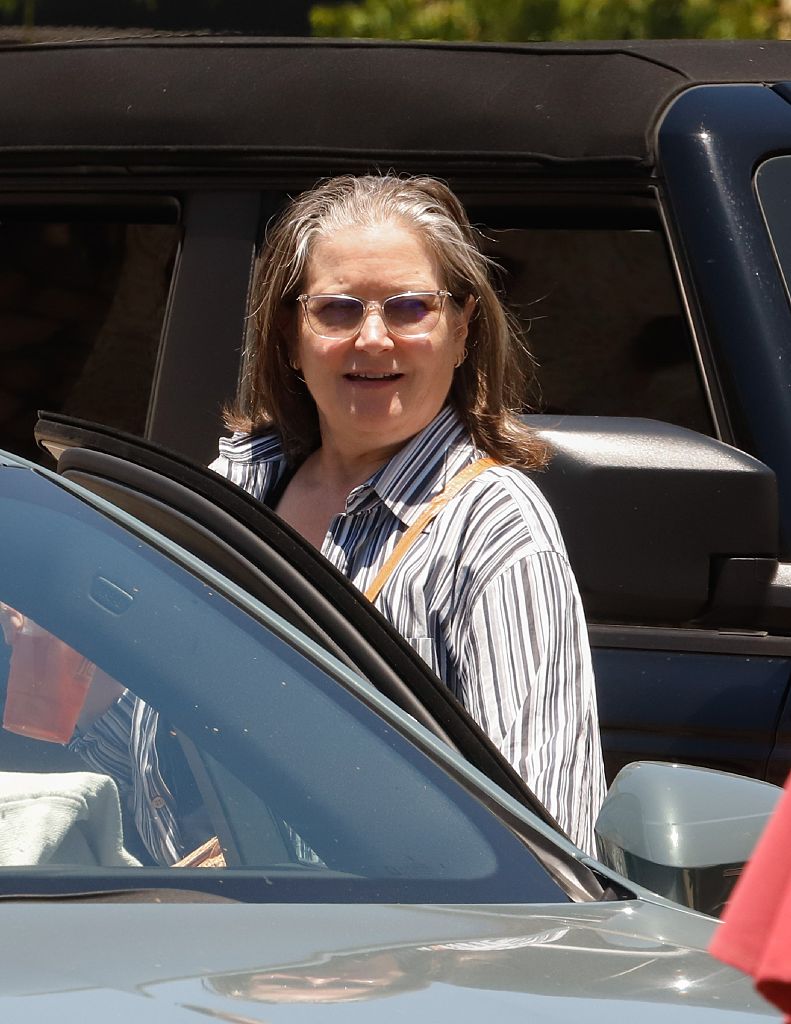
When asked about a potential return to acting, her response has been simple and telling: “it’s too nice being a civilian.” This statement is the key to understanding her disappearance. Bridget Fonda didn’t fade away; she moved on. She traded the scripted drama of Hollywood for the authentic, unscripted reality of family life. Her story is a powerful reminder that success is personally defined, and for this particular Fonda, true happiness was found not in the spotlight, but far away from it.