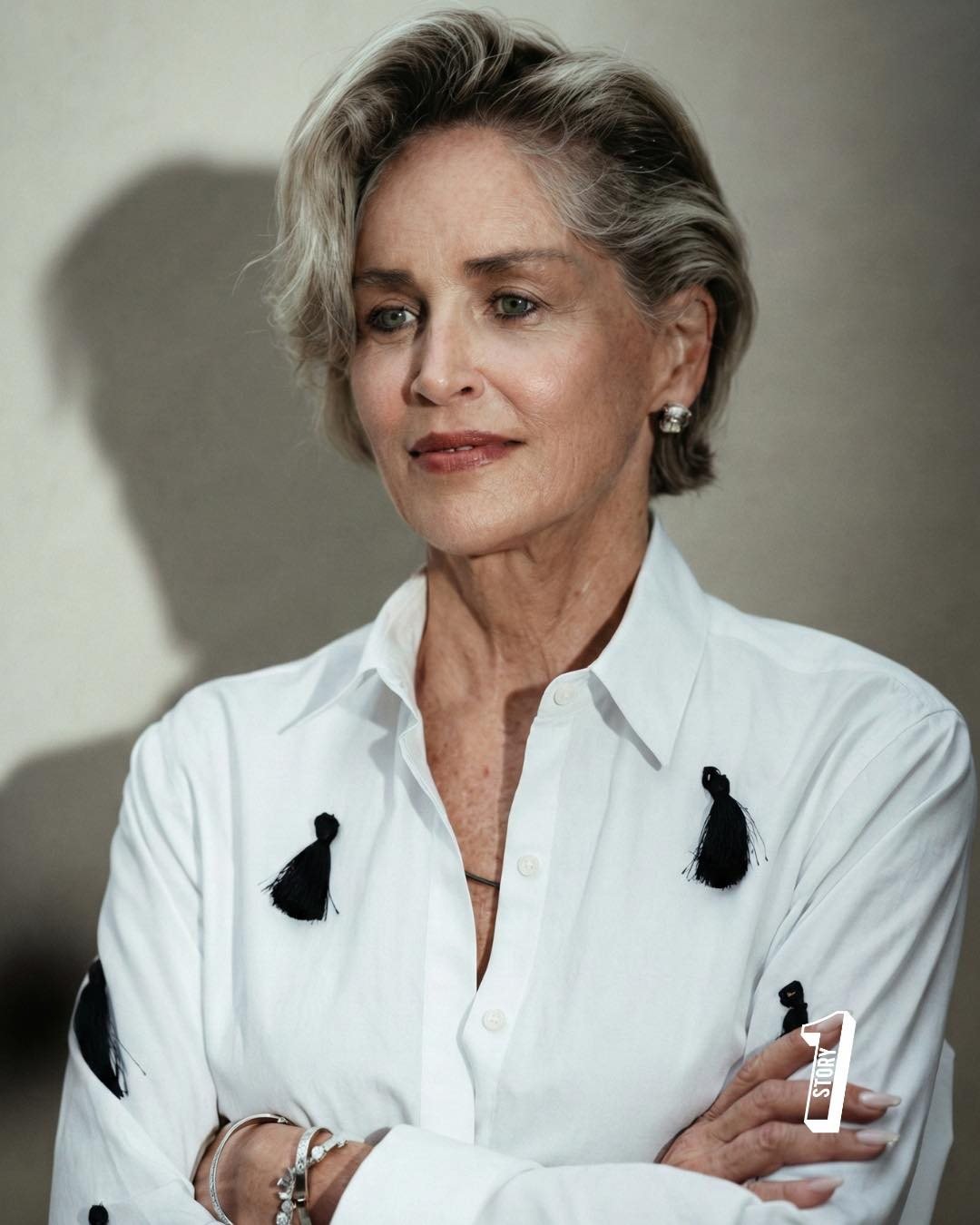
In 2001, Sharon Stone’s world turned inside out. At 43, she was a global icon, the very definition of Hollywood glamour and power. Then, a severe brain hemorrhage left her on her bathroom floor, fighting for her life. The superstar who could command any room found she could no longer walk, speak, or remember her own name. The journey that followed was not a glamorous comeback, but a profound excavation of self. Stripped of the fame that had defined her, Stone was forced to confront a fundamental question: who was she without the world’s adoration?
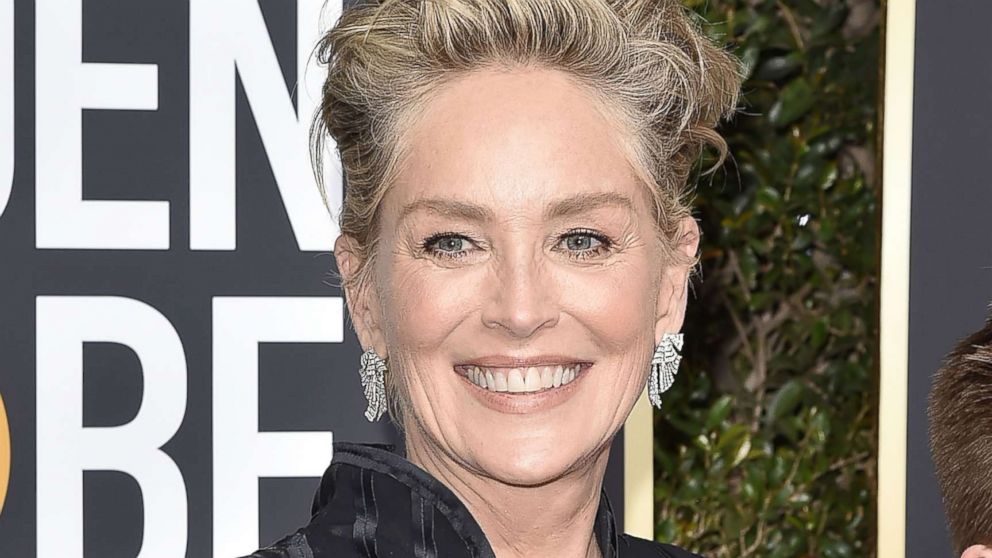
Recovery was a brutal, humbling process. It involved relearning basic human functions—speech, balance, thought—amidst constant physical pain. But the deeper wound was the silence that followed. The Hollywood machine that had once buzzed around her moved on instantly. The phone stopped ringing; the invitations ceased. The fleeting nature of fame became painfully clear as many so-called friends vanished. In that stark hospital room, she discovered a loneliness more profound than any physical ailment. Yet, in that void, something real began to emerge.
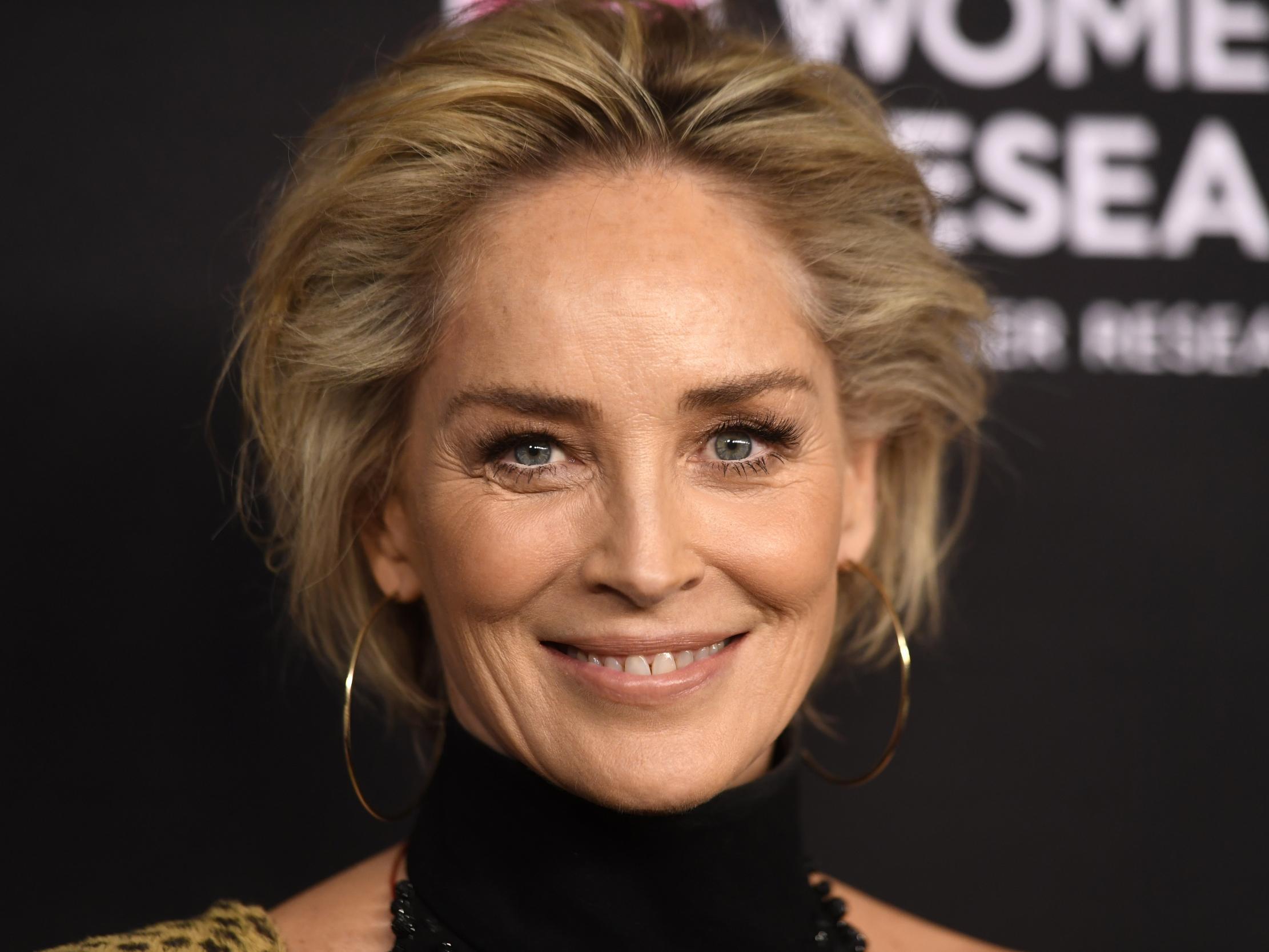
The people who stayed were not the powerful, but the kind: dedicated nurses, patient therapists, a handful of genuine friends. Their steadfast presence taught her that her value was not tied to her box office numbers or red carpet appearances. As she slowly rebuilt her cognitive and physical abilities, she was also building a new identity from the inside out. The drive to please an industry was replaced by a need to please her own soul. This was not about reclaiming a lost throne, but about discovering a new continent within herself.
Her return to public life reflected this inner shift. She chose acting roles based on personal interest, not industry validation. She embraced painting, finding a pure creative outlet that allowed expression beyond words. Most significantly, she became a candid advocate for stroke survivors, sharing the messy, non-linear truth of recovery without sugarcoating it into a simple inspirational narrative. She traded the persona of a movie star for the authenticity of a survivor and an artist.
Today, Sharon Stone embodies a quiet, hard-won peace. The transformation is evident not in a return to former glory, but in a radiant self-possession. Her story is a powerful testament to the idea that sometimes we must lose everything the world says matters to discover what truly does. Her greatest role was not played on screen, but in the quiet persistence of rebuilding a life, and in the courageous decision to define herself not by what was taken, but by what she found when all the noise faded away.