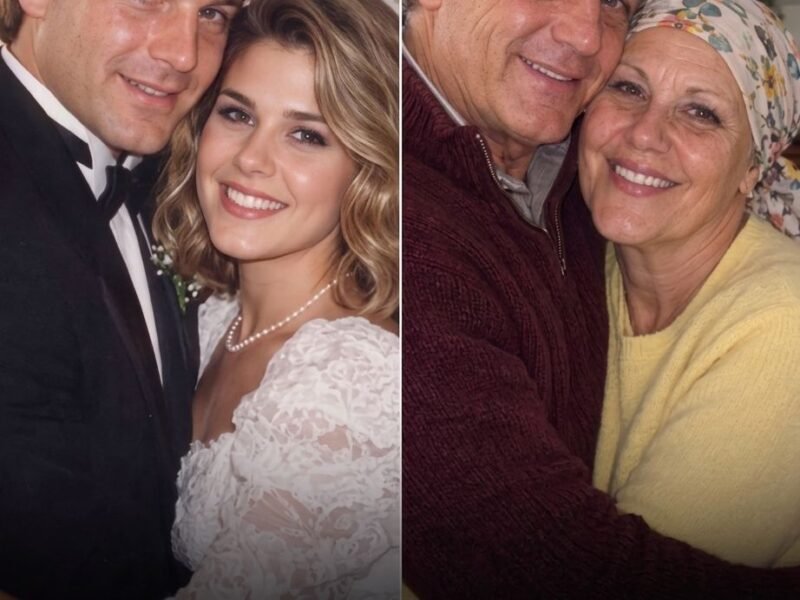
Grief has a way of stripping everything down to its bare truth. In the quiet days following my husband Terrence’s sudden death, his final words echoed in my mind. He had held my face and told me he had changed everything to protect me, warning that his family would show their real selves. I didn’t understand the depth of his meaning until the day after his funeral. His mother, Beverly, stood on our lawn and gave me one hour to leave the home I had shared with her son. His sister, Crystal, filmed the entire humiliating eviction on her phone.
I packed my old Honda with my nursing scrubs, photo albums, and the simple, cherished things Terrence and I had collected. I left behind the life of luxury they assumed I had married into. What they did not know—what Terrence had meticulously arranged before his fatal accident—was that he had sold his tech company. I was the sole beneficiary of a $500 million estate. That fortune sat protected in trusts, completely hidden, while I was thrown out with the trash.
I moved into a tiny studio apartment that smelled of stale cooking oil and took a job at a community health clinic. For six months, I lived a life of quiet struggle. I rode the bus, budgeted for generic groceries, and worked long shifts on my feet. All the while, Terrence’s family continued their campaign. Crystal posted cruel videos and captions online, labeling me a gold digger. Beverly tried to have me fired. Howard, the patriarch, sent legal letters demanding I stop using their name. They believed they had won, that I was broken and penniless.
Their cruelty was a ledger I kept, not out of spite, but as proof of their character. I needed to see how far they would go when they thought I had nothing. The turning point came when their own financial empire began to falter. Desperate for a $10 million investment to save a luxury condo project, they agreed to meet a mysterious potential investor at an upscale restaurant. The shock on their faces when I walked in with my lawyer was a moment of pure, silent reckoning. The revelation that the fortune they had coveted was entirely mine, and had been all along, shattered their world.
I did not give them the investment. Instead, I used my wealth to purchase the development property out from under them. I turned their symbol of exclusion into a monument of inclusion: the Terrence Washington Memorial Complex, a building dedicated to affordable housing for widows and single mothers. The money did not change me; it simply gave me the power to build the future my husband would have wanted. In the end, his protection was not just in the funds he left, but in the painful, vital truth he forced them to reveal. I learned that a real home isn’t made of marble, but of the peace that comes when you stop begging for a seat at a table that was never meant for you.