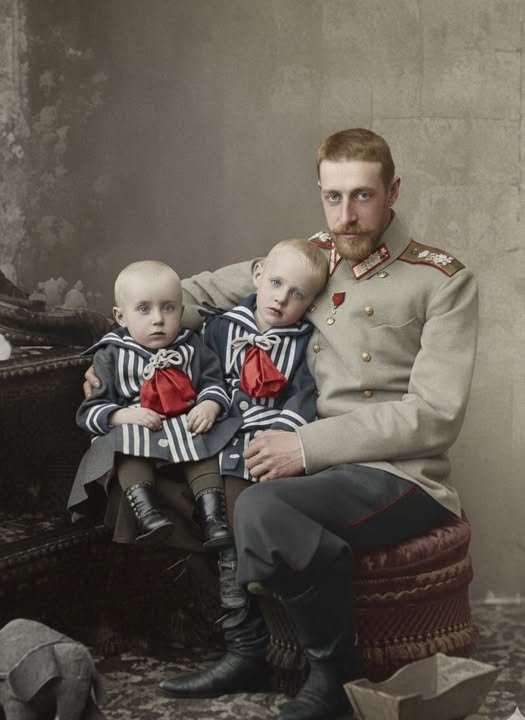
In 1889, Thomas Calder returned from war, seeking the peace of home. Instead, he found a silent, devastating truth in the lamplight of his cabin: his wife, with child, a child that could not be his. The betrayal was wordless, written in the fear on her face and the shape of her form. Before any reckoning could occur, tragedy struck again. She died in childbirth, leaving Thomas alone in a quiet cabin with two newborn boys—infants born from a union that had broken his heart, now utterly dependent on the man they had unknowingly wronged.

Society would have understood if Thomas had walked away. No blood tie bound him; no legal obligation forced his hand. But Thomas Calder made a different choice. He buried his wife, the mother of these children and the source of his deepest pain. Then, he turned to the cradles. With scrap wood and resolve, he built a new world. He learned the rhythms of infancy: warming milk in the dead of night, soothing cries that echoed his own sorrow, battling an exhaustion that was both physical and spiritual. He chose, day after day, to be their father.

The years that followed were marked by quiet labor, not dramatic speeches. The boys grew up calling him “Pa,” never knowing the complex story of their origins. Thomas provided, protected, and loved them with a steadiness that asked for no praise. He built a family not from shared blood, but from shared life—from chopping wood, tending the land, and the unspoken understanding that they were his. His love was an active verb, a continual choice made in the face of a past that could have bred only bitterness.
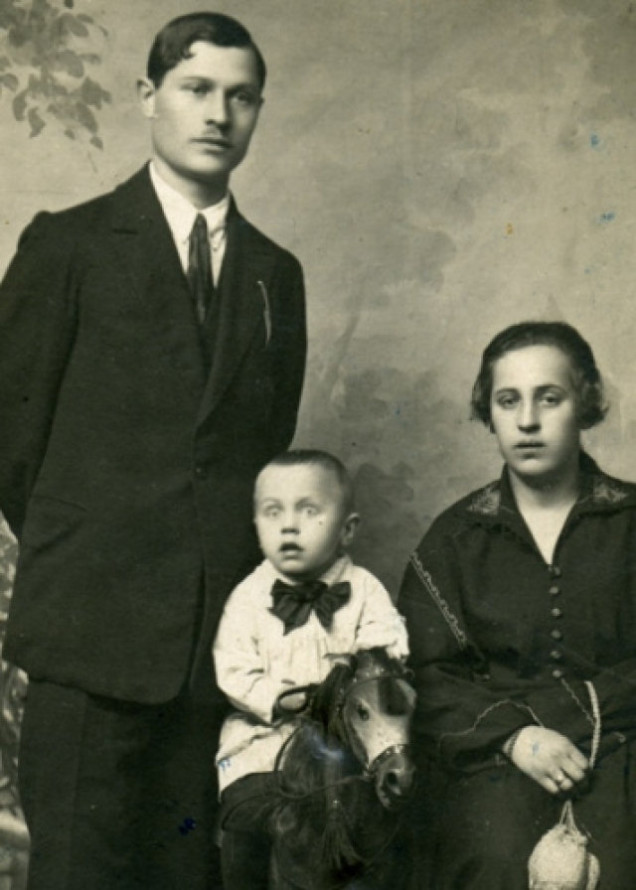
When asked in his old age how he could raise children born from such betrayal, Thomas gave a simple, profound answer: “They did not choose how they came into the world, but I chose how they would be loved.” In that statement lies his entire legacy. Thomas Calder’s story isn’t about a hero from a history book; it’s about the quiet, monumental power of everyday devotion. It reminds us that our deepest legacies are often forged not in moments of glory, but in the choices we make when life gives us every reason to turn away.