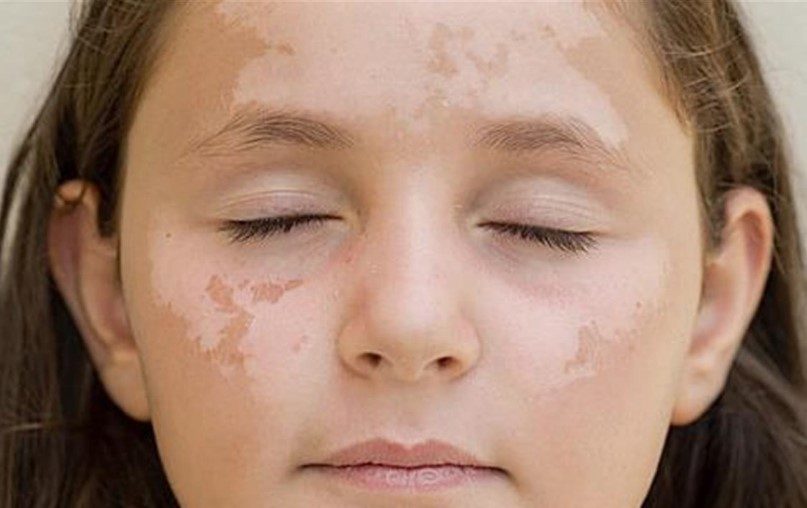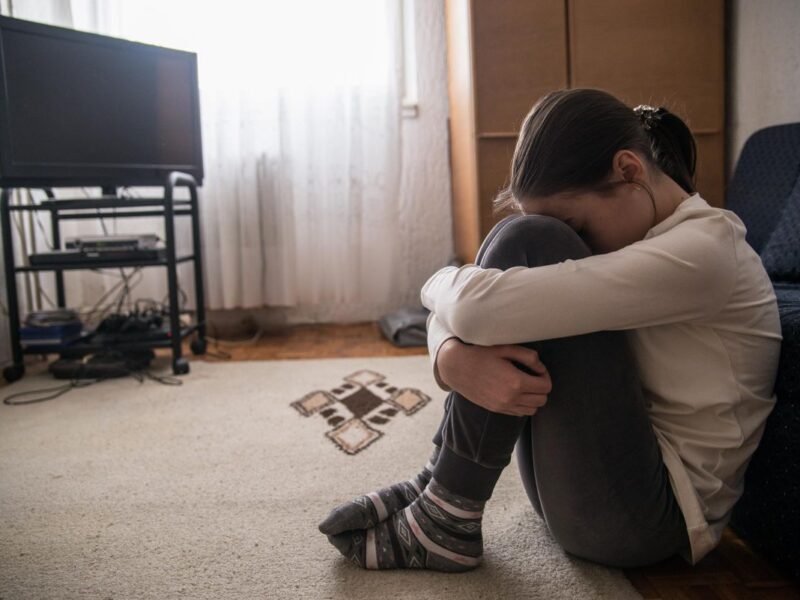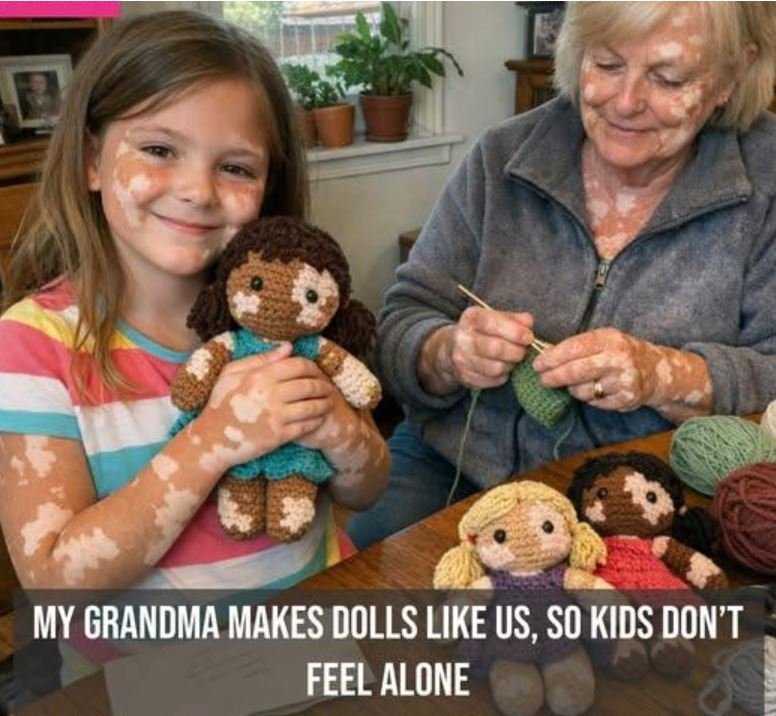
Every child seeks a reflection of themselves in the world around them, a confirmation that they belong. For Nova, a young girl with vitiligo, that reflection was hard to find. The patches of lighter skin that graced her body made her a target for curious, sometimes painful, questions from other children. She began to hide, choosing long sleeves and solitude, wishing her appearance would blend in rather than stand out. The feeling of being different was a heavy cloak she wore every day. But in her grandmother Maribel’s home, she found a sanctuary. Maribel, who shared the same condition, understood the silent struggle intimately.

One quiet afternoon, Maribel turned to her lifelong comfort: a crochet hook and skeins of yarn. But this project was different. With careful, loving stitches, she began to shape a doll. She selected yarn in shades of brown, cream, and beige, meticulously crafting a toy whose skin mirrored Nova’s unique pattern. When she presented it to her granddaughter, Nova’s eyes widened in disbelief. “It looks like me!” she exclaimed, her voice ringing with a joy her grandmother hadn’t heard in a long time. In that moment, the doll was more than a toy; it was a powerful statement: You are seen, and you are beautiful.
That single doll sparked a quiet revolution. Word spread through their community, and soon requests began to arrive from other parents. Their children, too, had never held a doll that resembled them. Maribel’s hands kept moving, her creations becoming vessels of validation for children who felt invisible. Each doll, with its unique pattern of stitches, carried a message of unwavering acceptance. For the children who received them, these weren’t just playthings; they were companions in their journey, tangible proof that their uniqueness was not a flaw, but a feature to be celebrated. What began as a grandmother’s gesture of love became a global reminder that sometimes, the deepest healing comes from the simple, powerful act of being represented.