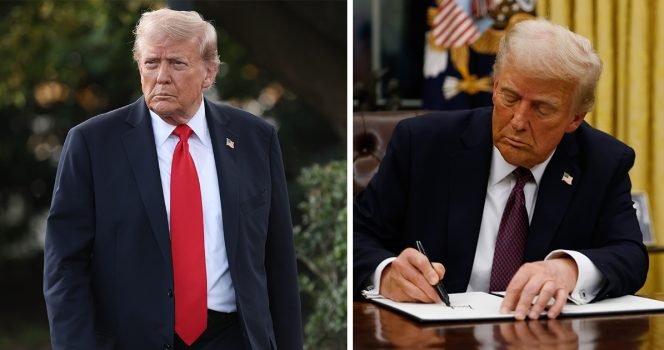
A recent pledge from President Donald Trump has captured national attention, promising a significant financial dividend to a vast number of Americans. The proposal involves distributing at least $2,000 to individuals, with the notable exclusion of those considered to be in a high-income bracket. This money, according to the announcement, would be generated from the government’s collection of tariffs on imported goods. The idea of direct payments has sparked both interest and skepticism, as the public awaits concrete details on how such a large-scale program would function and who would truly benefit from it.
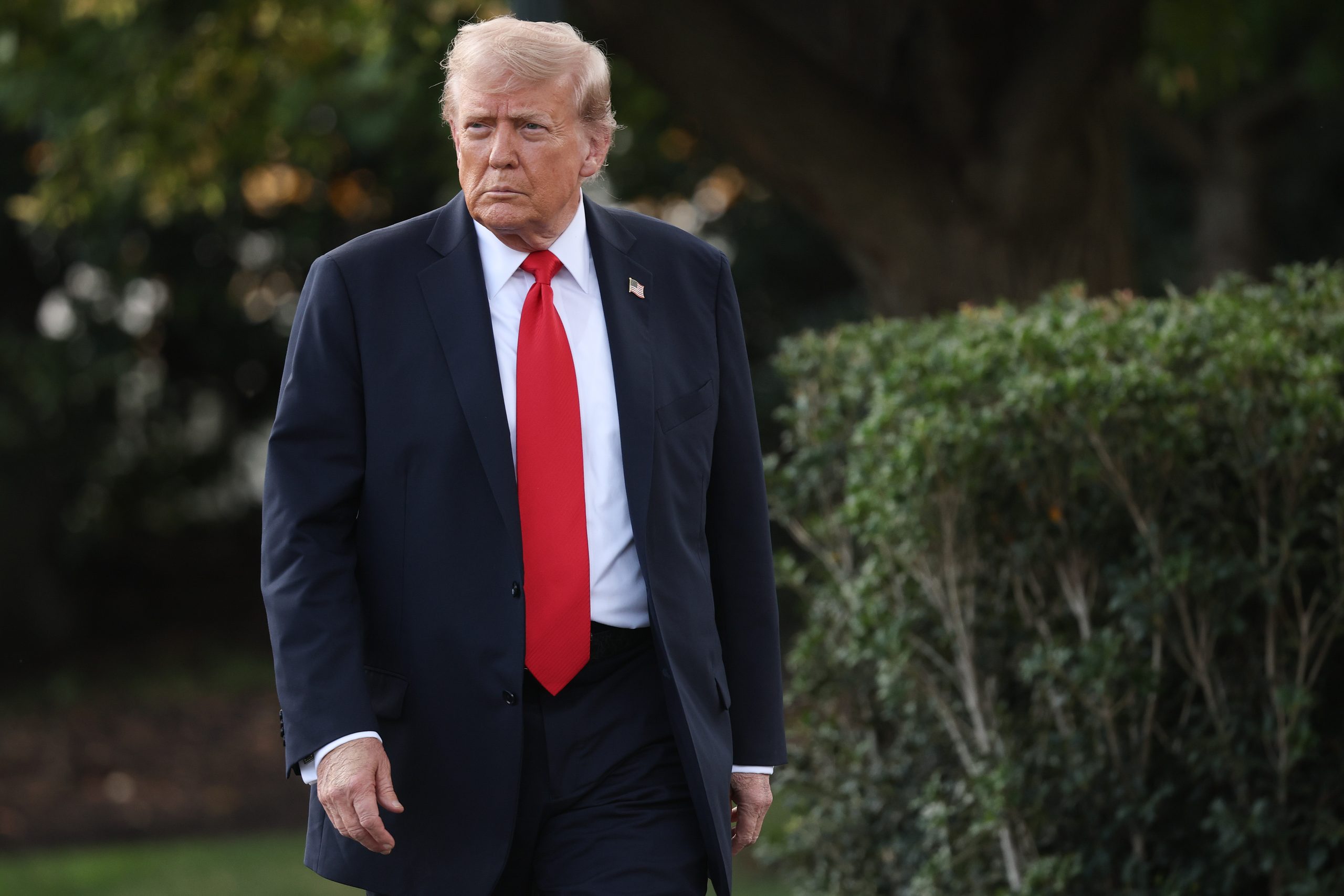
The announcement was made on the President’s social media platform, where he vigorously defended his tariff policies as a boon to the nation’s economy. He cited low inflation and a record-setting stock market as evidence of his strategy’s success, stating that the tariffs are bringing in “trillions of dollars.” These funds, he claimed, would not only help pay down the national debt but also finance the promised direct payments to the American people. The post served as a bold vision but left many practical questions unanswered, including a specific timeline and the exact income level that would disqualify someone from receiving the money.
Financial analysts were quick to examine the feasibility of such a promise. The first and most obvious hurdle is the immense cost. Estimates suggest that providing $2,000 to every eligible adult could cost the federal government anywhere from $300 billion to over $500 billion. When compared to the actual revenue currently generated by tariffs, which is a fraction of that amount, a significant funding gap becomes apparent. This economic reality is the primary reason many experts are treating the proposal with caution, pointing out that the math may not support the promise.
Further complicating the matter are the legal challenges surrounding the tariffs themselves. The authority the administration used to impose these tariffs is currently being reviewed by the Supreme Court, after several lower courts already ruled the action illegal. If the highest court upholds these rulings, the entire financial foundation for the proposed dividend payments would collapse. The future of the payouts is therefore inextricably linked to a legal battle whose outcome is still unknown, adding a layer of uncertainty to the entire plan.
In a recent update, President Trump indicated that Americans should not expect any payments until the following year, pushing the potential timeline into 2026. This statement aligns with comments from Treasury Secretary Scott Bessent, who noted that such a distribution would require new legislation from Congress. This sets the stage for a complex political process, reminding the public that a presidential promise is only the first step in a long journey through the American legislative system. The promise of $2,000 is now on the table, but its path to becoming a reality remains filled with economic, legal, and political obstacles.