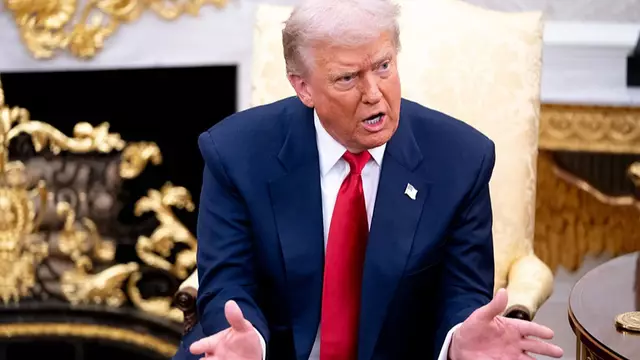
Recent polling data indicates a significant shift in American public opinion regarding the current administration. President Donald Trump’s approval ratings have experienced a notable decline, reaching their lowest point since his return to the Oval Office. This downward trend comes at a time of heightened public scrutiny on several key issues, suggesting a growing dissatisfaction among voters as the political landscape continues to evolve.
The numbers from a recent Reuters/Ipsos poll are particularly telling. The survey, which concluded on a recent Monday, shows the President’s approval rating has fallen to 38 percent, a two-point drop from a similar poll conducted earlier in the month. This decline is part of a broader pattern, with another poll from earlier in the month showing a disapproval rating as high as 63 percent. These figures point to a challenging period for the administration, with public confidence appearing to waver.
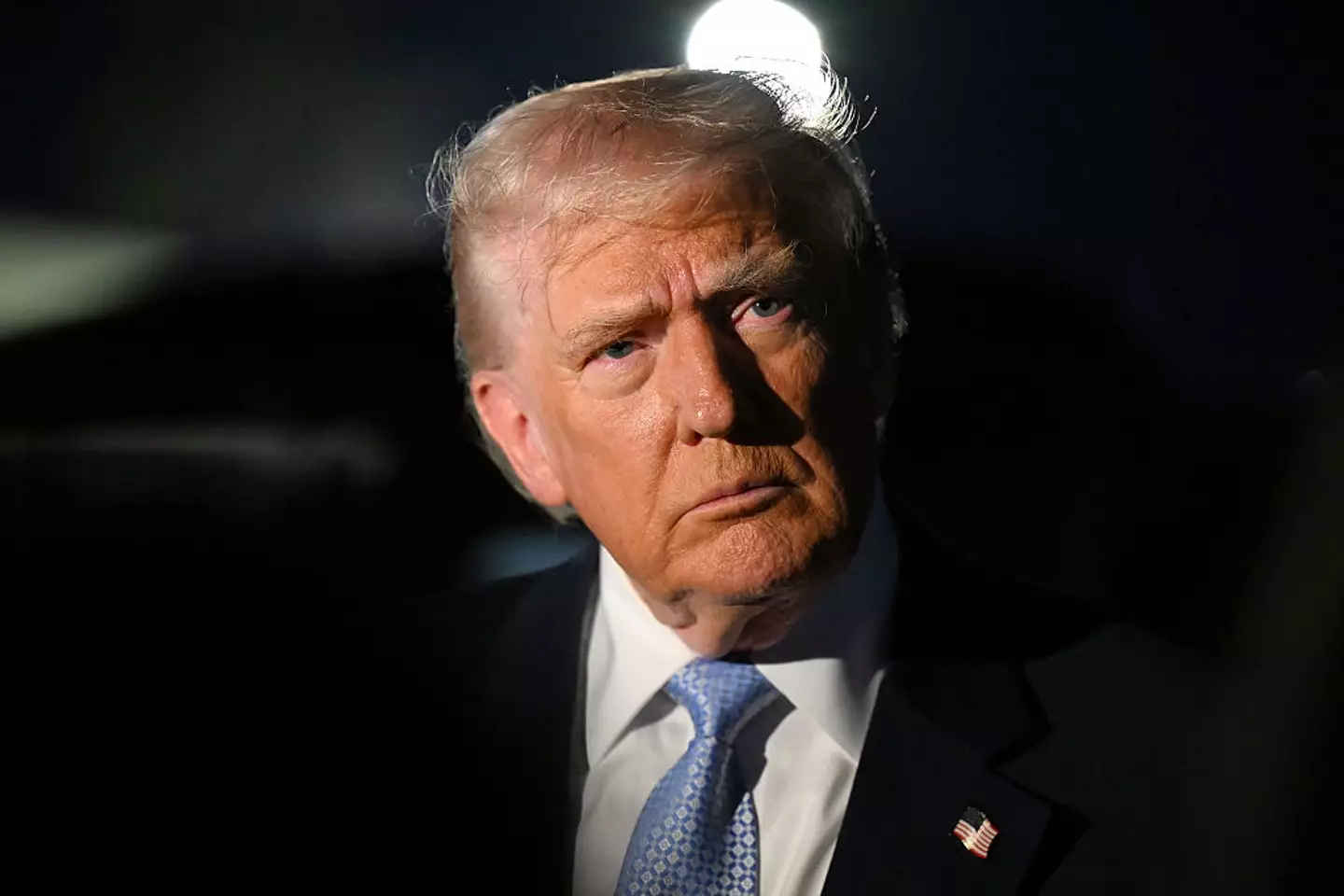
Analysts point to two primary factors driving this erosion of support. The first is the persistent and frustrating cost of living crisis that continues to squeeze American households. A significant 65 percent of those surveyed expressed disapproval of the President’s handling of this economic pressure, with many voters reporting fury over soaring grocery bills and daily expenses. A Republican strategist involved in the analysis confirmed that for many Americans, the political landscape is currently “all about prices.”
The second major factor influencing the polls is the ongoing controversy surrounding the investigation into the late Jeffrey Epstein. The Reuters/Ipsos poll found that a striking 70 percent of Americans believe the government is hiding information about Epstein’s alleged clients. This sentiment crosses party lines, affecting Democrats and Republicans alike. Furthermore, only 20 percent of respondents approved of how the President has managed this sensitive case, indicating it has become a significant liability.

The political repercussions are also visible within the President’s own party. His approval rating among Republicans has dipped to 82 percent, down from 86 percent. This internal softening coincides with notable party actions, such as the Republican-controlled House passing a measure to force the release of documents related to the Epstein case—a move the President had appeared to oppose. While the White House has since stated he will sign the bill, the episode highlights a rare moment of divergence and suggests that external controversies and economic pressures are collectively taking a toll on the administration’s standing with the public.