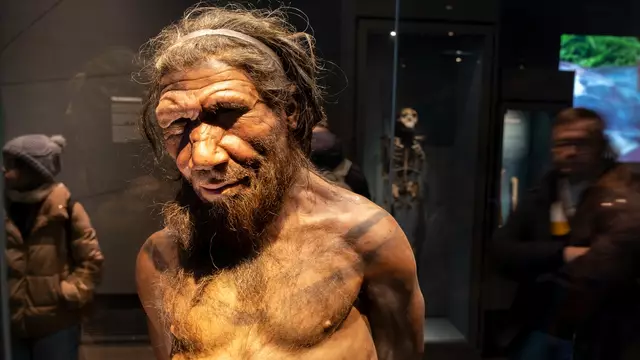
For generations, the story of the Neanderthals was a tragic one. We imagined them as brutish, primitive cousins, ultimately driven to extinction by the superior intellect and violence of our Homo Sapiens ancestors. This narrative of conflict has been a cornerstone of our understanding of human prehistory. However, a dramatic shift is underway, fueled by groundbreaking genetic research. The latest scientific evidence suggests a far more intimate and peaceful end for the Neanderthals. They may not have vanished at all; instead, they were seamlessly woven into the fabric of our own species.
This revolutionary idea is supported by a simple, undeniable fact: if you have ancestry from outside of Africa, you carry a piece of the Neanderthal legacy within your very DNA. Genetic analyses have revealed that non-African modern humans possess between one and four percent Neanderthal genetic material. This discovery shatters the old paradigm of relentless war. It paints a picture of a world tens of thousands of years ago where different human species met, coexisted, and formed families. The evidence points to interbreeding, suggesting that our ancestors were often lovers, not fighters.
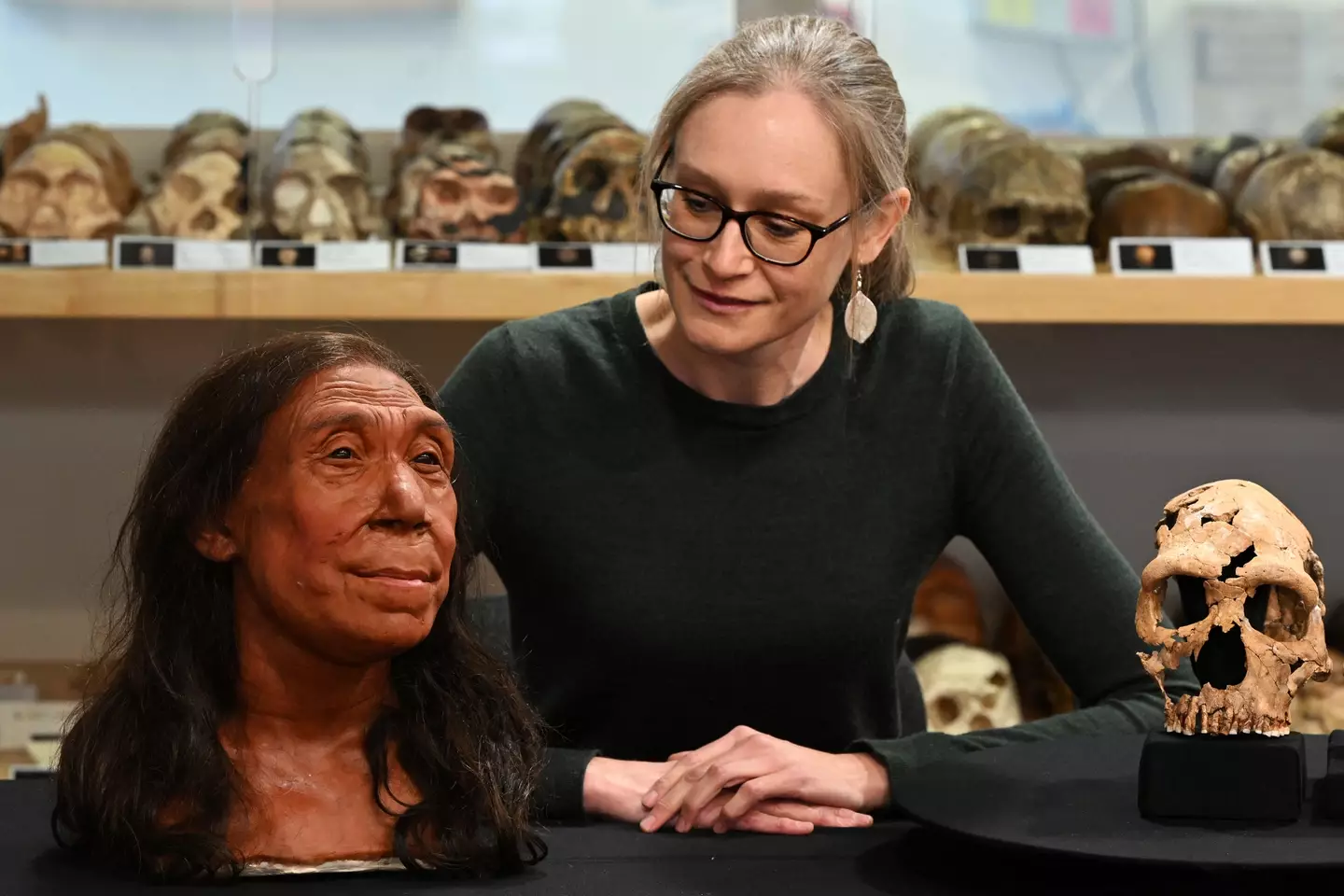
A new mathematical model, recently published in the prestigious journal Nature, provides a robust framework for how this integration might have occurred. The research, led by scientists like computational chemist Andrea Amadei, proposes that the distinct Neanderthal population gradually disappeared not through a violent conquest, but through a long and slow process of genetic assimilation. As small, isolated communities of Neanderthals encountered expanding groups of Homo Sapiens, interbreeding would have slowly but surely diluted their distinct genetic signature over thousands of years.
This model uses what we know about hunter-gatherer reproduction rates to simulate how these populations interacted. It suggests that even a relatively low rate of interbreeding would have been enough, over generations, to absorb the Neanderthal lineage into the larger Homo Sapiens gene pool. This process might have been accelerated if certain Neanderthal genes provided a survival advantage, such as adaptations for coping with colder Eurasian climates, which would have been beneficial for Homo Sapiens expanding into new territories.
.jpg)
This new understanding does not completely erase other challenges Neanderthals likely faced, such as climate change or competition for resources. However, it fundamentally changes the narrative of their demise. The notion of a brutal extinction is being replaced by a story of integration and legacy. The Neanderthals, it seems, never truly went extinct. They live on in us. Their genetic contribution is a permanent part of the human story, a quiet echo from our deep past that challenges our most basic assumptions about what it means to be human.