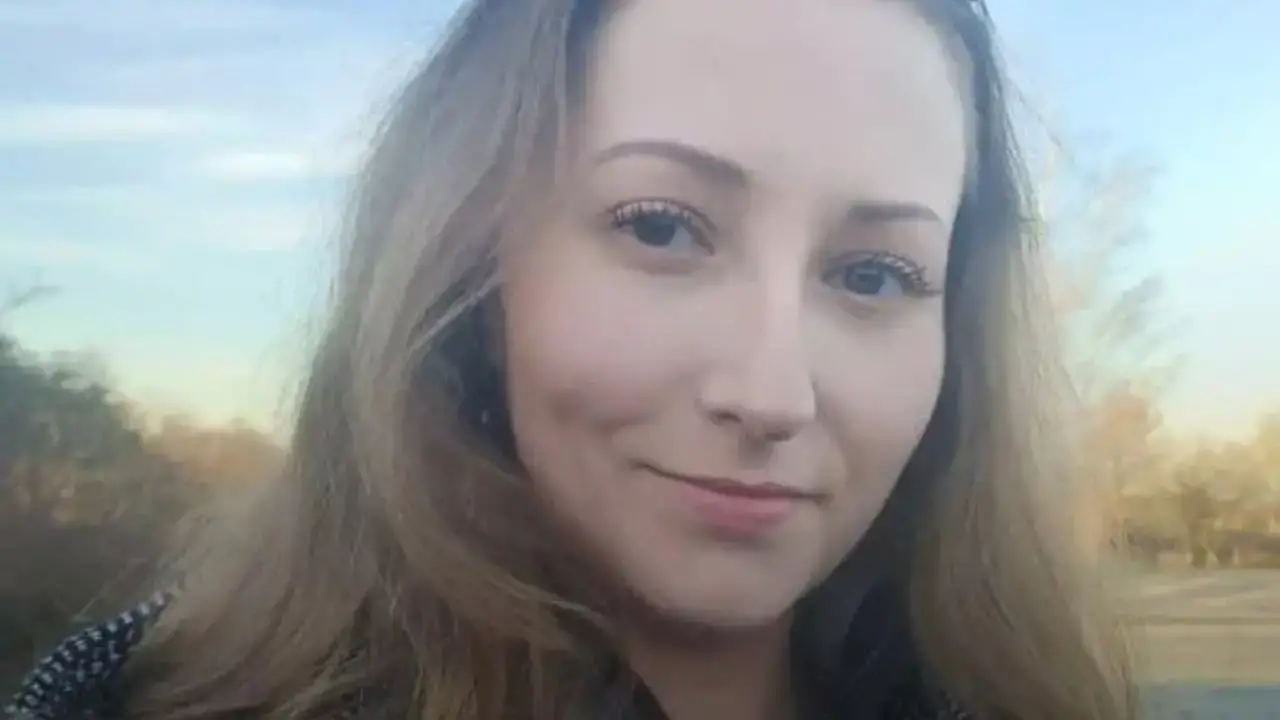
The conversation around the right to die has often centered on those facing terminal physical illness. But the story of Zoraya ter Beek, a 29-year-old woman from the Netherlands, pushed this difficult debate into new and unsettling territory. Zoraya was physically healthy. She lived in a small, quiet village near the German border. Yet, in the spring of 2024, she made the conscious and deliberate choice to end her own life through legal euthanasia. Her decision forces us to look beyond physical pain and consider the profound, invisible suffering that can consume a person.

Zoraya’s life was a constant battle against mental health conditions. She lived with autism, chronic depression, anxiety, and the intense emotional turmoil of borderline personality disorder, all compounded by past trauma. For her, this wasn’t a matter of a bad day or a temporary sadness; it was a relentless, unbearable state of being. After years of therapy and treatment, she felt she had reached the end of the road. She described a pivotal moment when her own psychiatrist concluded that there was nothing more they could do to alleviate her suffering, confirming her deepest fear that things would never improve.

The legal framework in the Netherlands allowed for this choice. The country has permitted euthanasia under strict conditions since 2002, requiring that a patient’s suffering be unbearable with no prospect of improvement. While most cases involve physical illness, the law does not exclude those with severe psychiatric conditions. In recent years, the number of people choosing euthanasia in the Netherlands has risen, including a growing number, like Zoraya, whose primary illnesses are of the mind. This trend has sparked a complex ethical discussion among healthcare professionals about the line between compassion and giving up.

Zoraya spoke openly about her decision in the time leading up to her death. She planned for the procedure to take place on her own sofa, a final comfort in a familiar space. She wanted to be cremated afterward, a practical consideration for her boyfriend so he wouldn’t feel obligated to maintain a grave. She described the process not as a cold, clinical event, but as a gentle passing. The doctor would take time, share a coffee, and ensure she was at peace. Zoraya was not romantic about death; she admitted to being afraid of the “ultimate unknown,” but she saw it as a release, a way to free herself from a life that had become a prison.

Her story ignited a firestorm of opinions online. Some hailed her as brave and defended her right to autonomy over her own body and life. Others expressed profound sadness, arguing that suicide is never the answer and that there is always hope. Zoraya’s choice challenges us to expand our definition of unbearable suffering. It asks whether a life of constant psychological agony can be just as valid a reason for seeking peace as a terminal physical disease. Her story remains a powerful and difficult testament to the fact that some pain is invisible, but it is no less real to the person enduring it.

