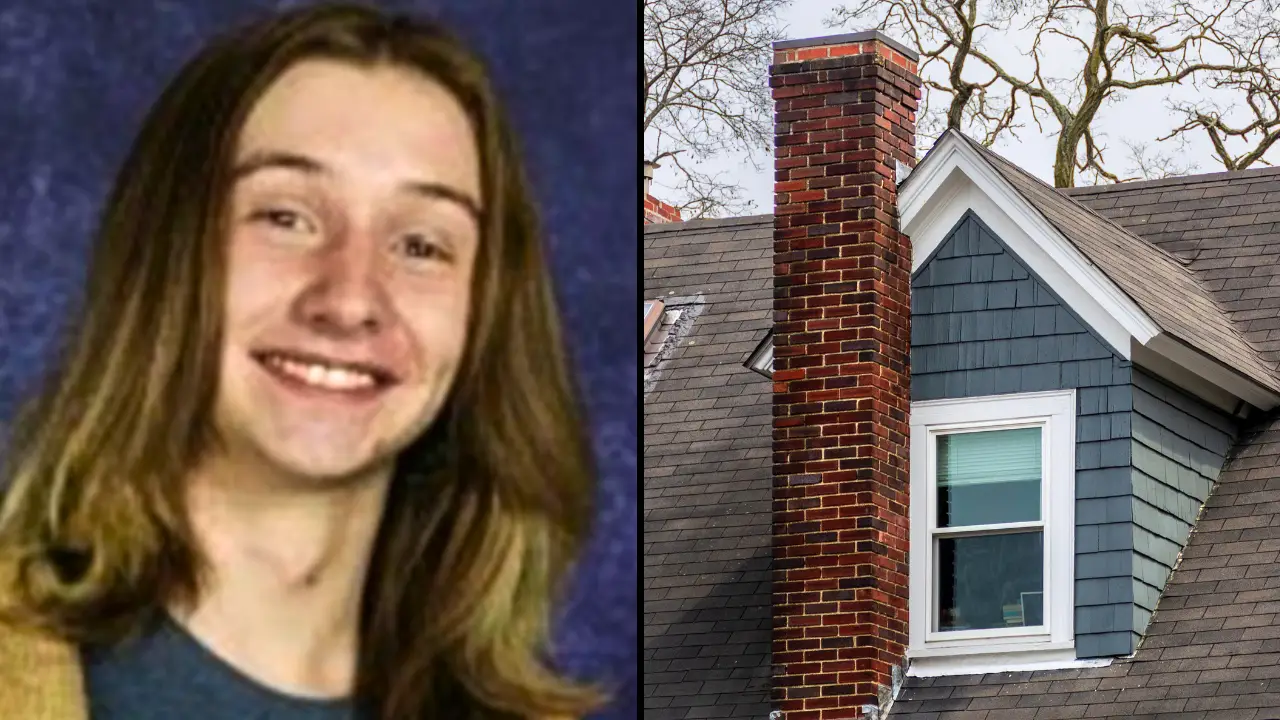
For seven years, the disappearance of Joshua Maddux was a quiet, haunting mystery in Woodland Park, Colorado. The eighteen-year-old with long blond hair left his home for a walk in May 2008 and simply never returned. A nature lover and musician, his family held onto the hope that he had chosen to wander off and build a new life somewhere else. They imagined him traveling with a band or writing in solitude, a free spirit following his own path. The alternative was too painful to consider, especially for a family already grieving the loss of Joshua’s older brother years earlier. Searches of the surrounding forests yielded nothing, and the case grew cold.

The mystery ended not in some distant city, but shockingly close to home. In August 2015, a builder named Chuck Murphy was demolishing an old, abandoned cabin on his property, just two blocks from the Maddux family home. As workers tore down one of the chimneys with an excavator, they made a horrific discovery: a mummified body, tightly wedged in a fetal position inside the brick flue. Dental records confirmed it was Joshua. For seven years, he had been less than a mile away, in a place no one had thought to search.

The scene inside the cabin deepened the mystery. Joshua’s pants, shoes, and socks were found neatly folded near the fireplace. A heavy wooden breakfast bar had been pulled from the kitchen wall and dragged to block the chimney’s interior opening. The coroner found no signs of trauma, drugs, or obvious injury. The initial theory was a tragic accident: perhaps Joshua, for reasons unknown, tried to climb down the chimney, became trapped, and succumbed to hypothermia on the cold mountain nights.
But the cabin owner, Chuck Murphy, forcefully disagreed with that theory. He revealed a crucial detail: when the chimney was built, a heavy-gauge steel mesh grate had been installed near the top to keep animals out. Murphy insisted it was impossible for anyone to come down from the roof with that barrier in place. While the coroner suggested the mesh could have rusted away, Murphy was adamant about its sturdiness. This contradiction forced authorities to reopen their investigation just days after closing it.

The coroner admitted the case “taxed our brains.” Joshua’s head-first position suggested he might have been put into the chimney, possibly requiring more than one person. Anonymous tips hinted that someone had once bragged about putting Josh “in a hole,” but verifying old rumors proved difficult. For Joshua’s family, the discovery ended years of uncertainty but offered no clear answers. The tragedy remains a painful conundrum—a young man found in an impossible place, leaving behind a puzzle that may never be fully solved.

