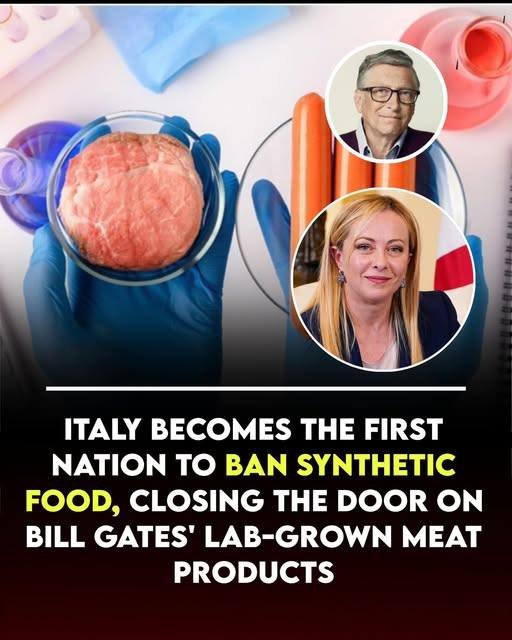
Italy has drawn a firm line in the sand of the global food debate by becoming the first nation to enact a formal ban on lab-grown meat. This landmark decision, encoded into law in late 2023, prohibits the production, sale, and import of meat cultivated from animal cells in a laboratory. While the move does not affect plant-based meat alternatives, it represents a decisive rejection of a technology hailed by its proponents as the future of sustainable protein. The ban has ignited a complex international conversation, pitting culinary heritage and precaution against scientific innovation and environmental urgency.
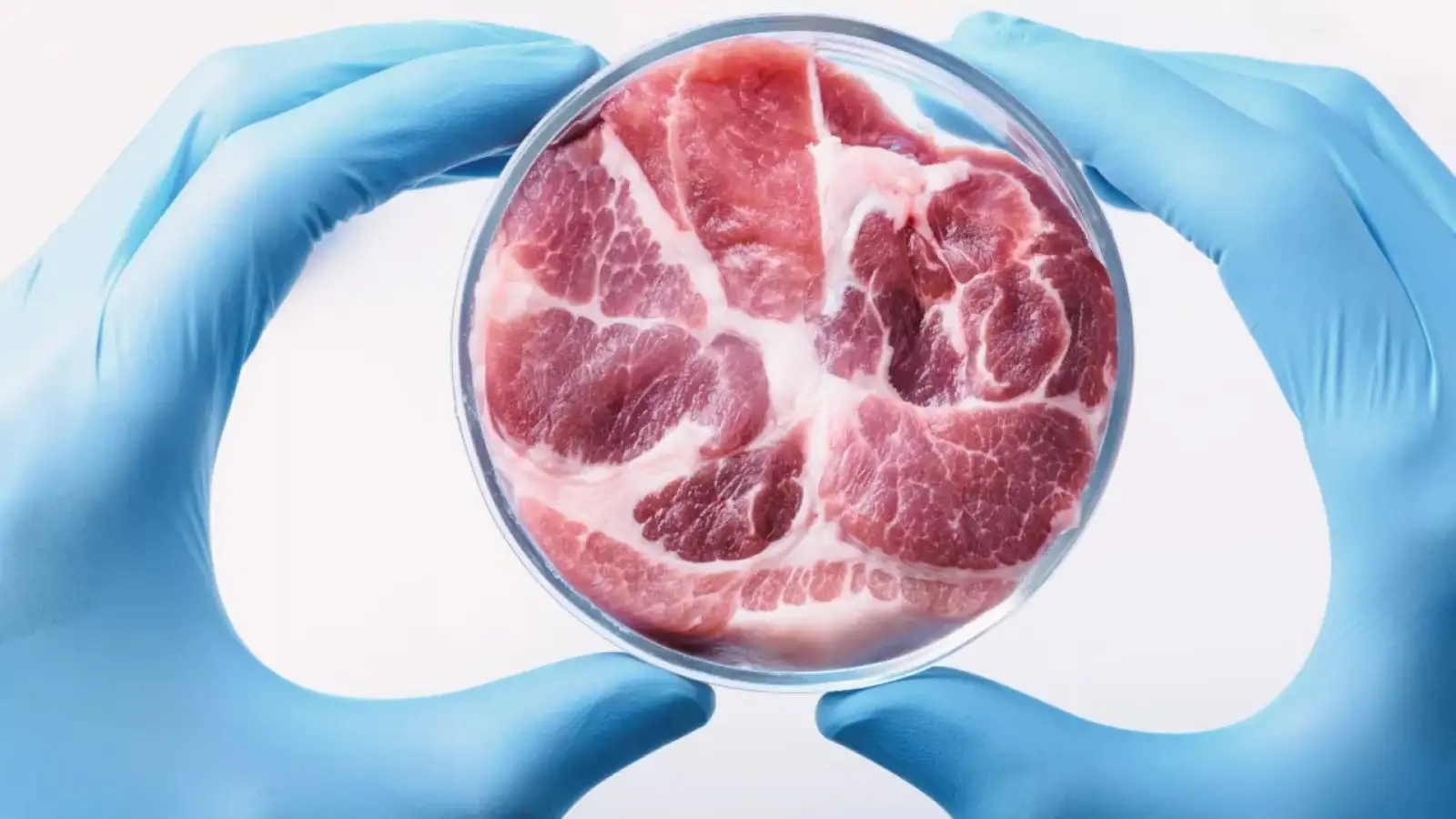
The Italian government’s motivation is deeply rooted in a fierce protection of its agricultural identity and world-renowned food heritage. Officials argue that the country’s culinary traditions, built on centuries of local farming and regional specialties, are inseparable from the land and the animals raised upon it. They view lab-grown meat, often backed by global corporations and complex technology, as a direct threat to this ecosystem. The law is framed as a defensive measure to safeguard the livelihoods of Italian farmers and to preserve the authenticity that defines the nation’s gastronomic soul, ensuring that food production remains a tangible, cultural practice rather than a purely industrial one.
Health and safety concerns further bolster Italy’s cautious stance. Proponents of the ban emphasize that while cultivated meat may offer theoretical benefits, its long-term impacts on human health are not yet fully understood. With no such products currently approved for sale in the European Union, Italy is adopting a precautionary principle, choosing to wait for comprehensive, long-term studies on nutritional value and safety before allowing these novel foods into its market. This position aligns with a broader philosophy of food sovereignty—the right of a nation to control its own food systems and prioritize practices it deems socially and culturally sustainable.
Critics, however, see the ban as a significant setback for innovation. They argue that lab-grown meat holds immense promise for addressing critical global issues, including the reduction of greenhouse gas emissions, the conservation of land and water, and the improvement of animal welfare by eliminating slaughter. Opponents also suggest the law may conflict with EU regulations promoting the free movement of goods, potentially setting the stage for legal challenges. As the first country to take this step, Italy has created a pivotal test case. Its decision will either inspire other nations to prioritize traditional agriculture or accelerate the regulatory race elsewhere to embrace what many believe is an inevitable shift in how the world produces protein.