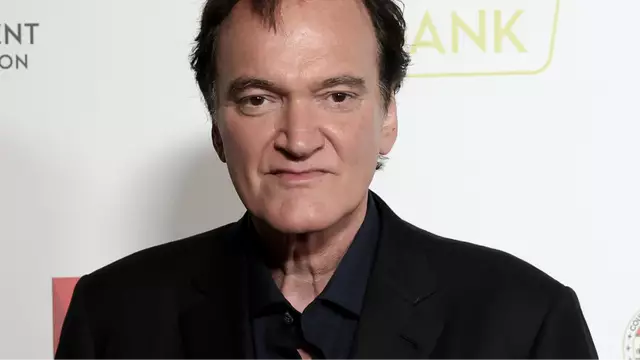
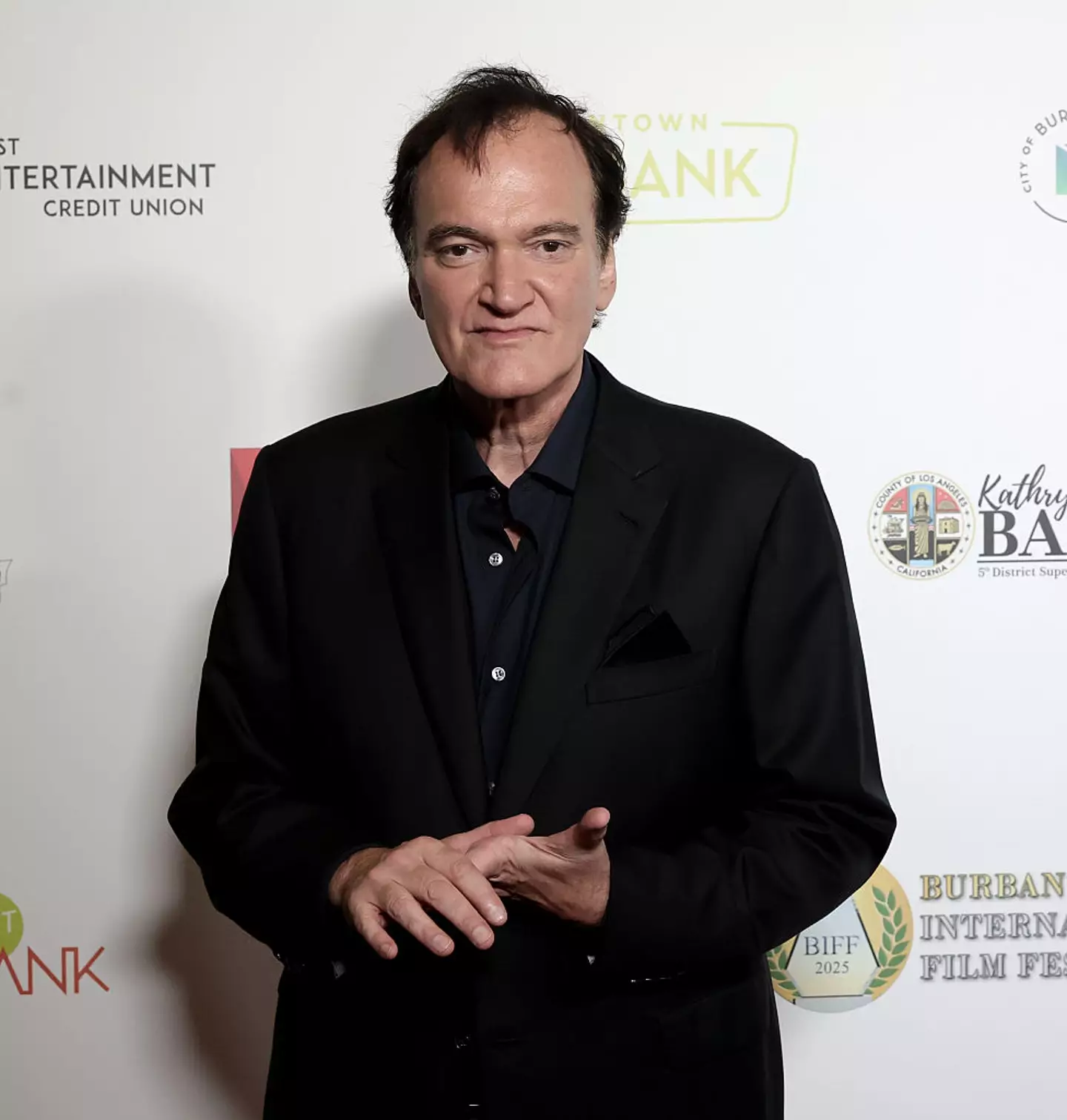
Quentin Tarantino, a filmmaker known for his encyclopedic knowledge of cinema and his exacting creative standards, has a unique perspective on what makes a performance truly legendary. Over his storied career, he has collaborated with a who’s who of Hollywood A-listers, from Brad Pitt to Leonardo DiCaprio. Yet, when he speaks about the craft of acting itself, he reserves his highest praise for a select group of performers whose work he considers peerless. His choices reveal a director who values raw, transformative, and fearless character work above all else.
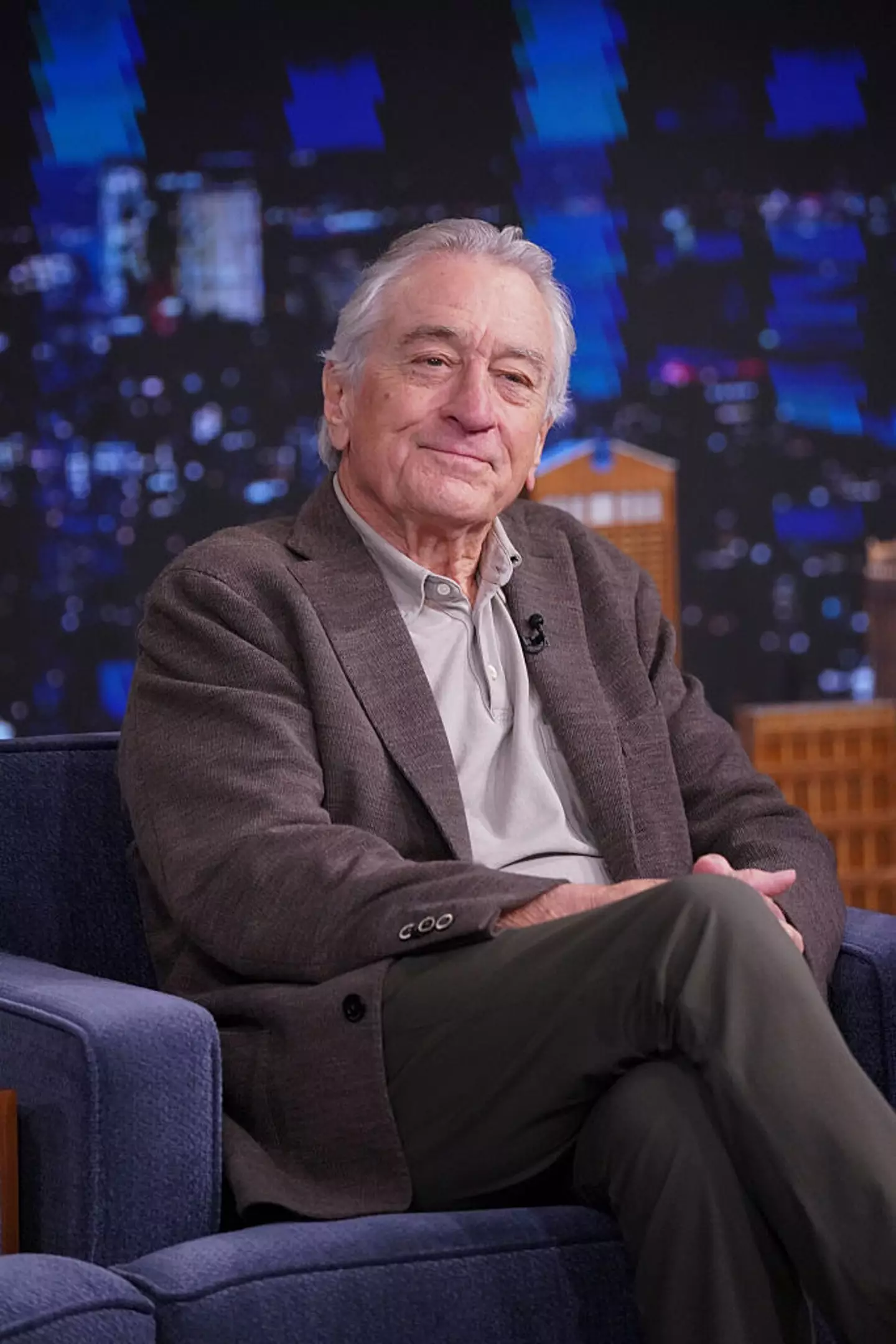
At the very top of this esteemed list sits Robert De Niro. Following their collaboration on “Jackie Brown,” Tarantino didn’t hold back his admiration, declaring De Niro “probably the greatest actor of his generation” and “the best actor in the world.” For Tarantino, De Niro’s genius lies in his complete and moment-to-moment consumption of a character. He praised De Niro’s portrayal of the ex-con Louis Gara, noting how the actor was so deeply immersed in the role that every gesture and silence felt authentic. This ability to live truthfully within a character, regardless of its size or glamour, represents the pinnacle of the craft in Tarantino’s eyes.
Beyond De Niro, Tarantino has expressed profound respect for what he calls “wild behavioural actors,” a category perfectly embodied by the late Michael Parks. He once told an interviewer that Parks was “one of the greatest actors that’s ever been produced in our lifetime,” a significant compliment given Tarantino’s vast cinematic knowledge. He cast Parks in multiple films, appreciating his intense, unpredictable energy and his ability to bring a unique, lived-in texture to every role, even when his career was hampered by his own reputed difficulties.
When looking at his own generation of actors, Tarantino highlights three distinct forces: Sean Penn, Tim Roth, and Nicolas Cage. He admires Penn for his “sheer sexual-violence charisma,” a quality that commands the screen with an almost dangerous magnetism. For Tim Roth, a frequent collaborator, he praises a chameleonic versatility and a “ferociousness” that allows him to disappear into vastly different roles. But perhaps his most intriguing praise is for Nicolas Cage, whom he lauds for pure “fearlessness.” Tarantino uniquely appreciates Cage’s career-long habit of being “miscast and rising to the occasion,” turning potential liabilities into unforgettable, iconic performances. For a director who prizes bold choices, Cage’s unwavering commitment to his own unique process is the mark of a true artist.