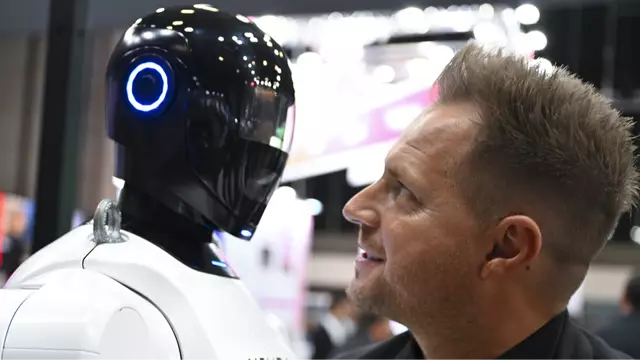
In an era where headlines about AI-driven job cuts are becoming commonplace, many professionals are understandably anxious about their career security. With reports suggesting that artificial intelligence could impact hundreds of millions of jobs globally, the question on everyone’s mind is: where do I fit in this new landscape? The answer, according to experts, lies not in competing with AI, but in doubling down on the inherently human skills that technology cannot authentically replicate. The future belongs to those who can blend technical literacy with irreplaceable human traits.

Research has identified several key career paths that are considered “AI-proof” due to their reliance on the human advantage. At the top of this list are roles in Healthcare and Psychology. While AI can process vast amounts of data to aid in diagnostics, it cannot provide genuine empathy, emotional understanding, or the compassionate reassurance that is so critical to patient care. Similarly, the field of Education and Training will always require human instructors who can blend technology with emotional intelligence to inspire, mentor, and shape young minds in a way an algorithm never could.
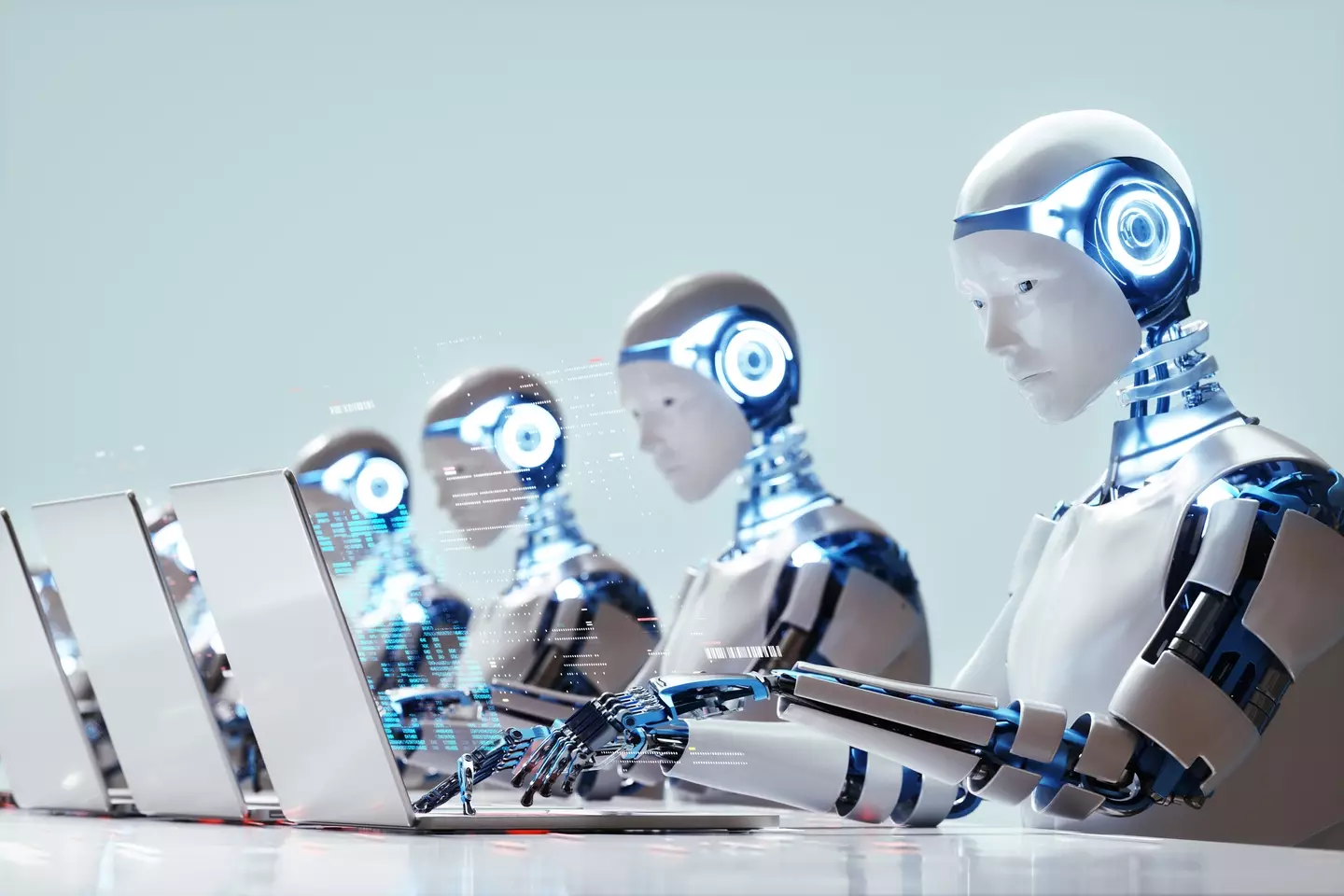
The Creative Industries also offer a safe harbor for human ingenuity. Although AI can generate ideas and even produce content, it lacks the lived experience, cultural context, and emotional depth required to create work that truly resonates with a human audience. Storytelling, design, and advertising will continue to thrive on human creativity. Furthermore, Skilled Trades such as builders, engineers, and electricians are secure, as AI struggles with the unpredictable, physical problem-solving these jobs demand. An AI might explain how to change a lightbulb, but it cannot use nuanced judgment on a complex, real-world worksite.

The most critical advantage humans possess is flexibility. The professionals who will thrive are those who become adept at working with AI tools, not against them. This means viewing AI as a powerful assistant that can handle data-heavy tasks, freeing up humans to focus on strategy, empathy, and innovation. To future-proof your career, experts recommend a conscious effort to double down on soft skills, diversify your abilities, invest in lifelong learning, and intentionally build your emotional intelligence. The goal is not to resist technological progress, but to become the indispensable human conductor of an AI-powered orchestra.