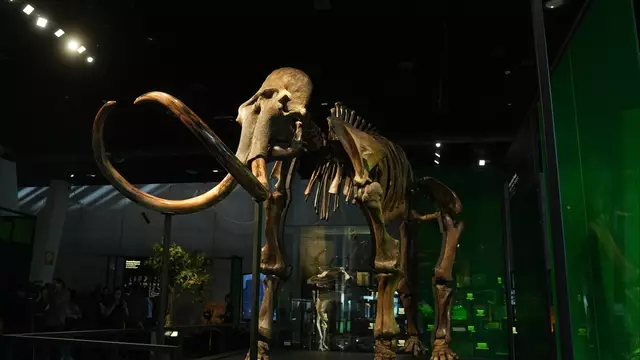
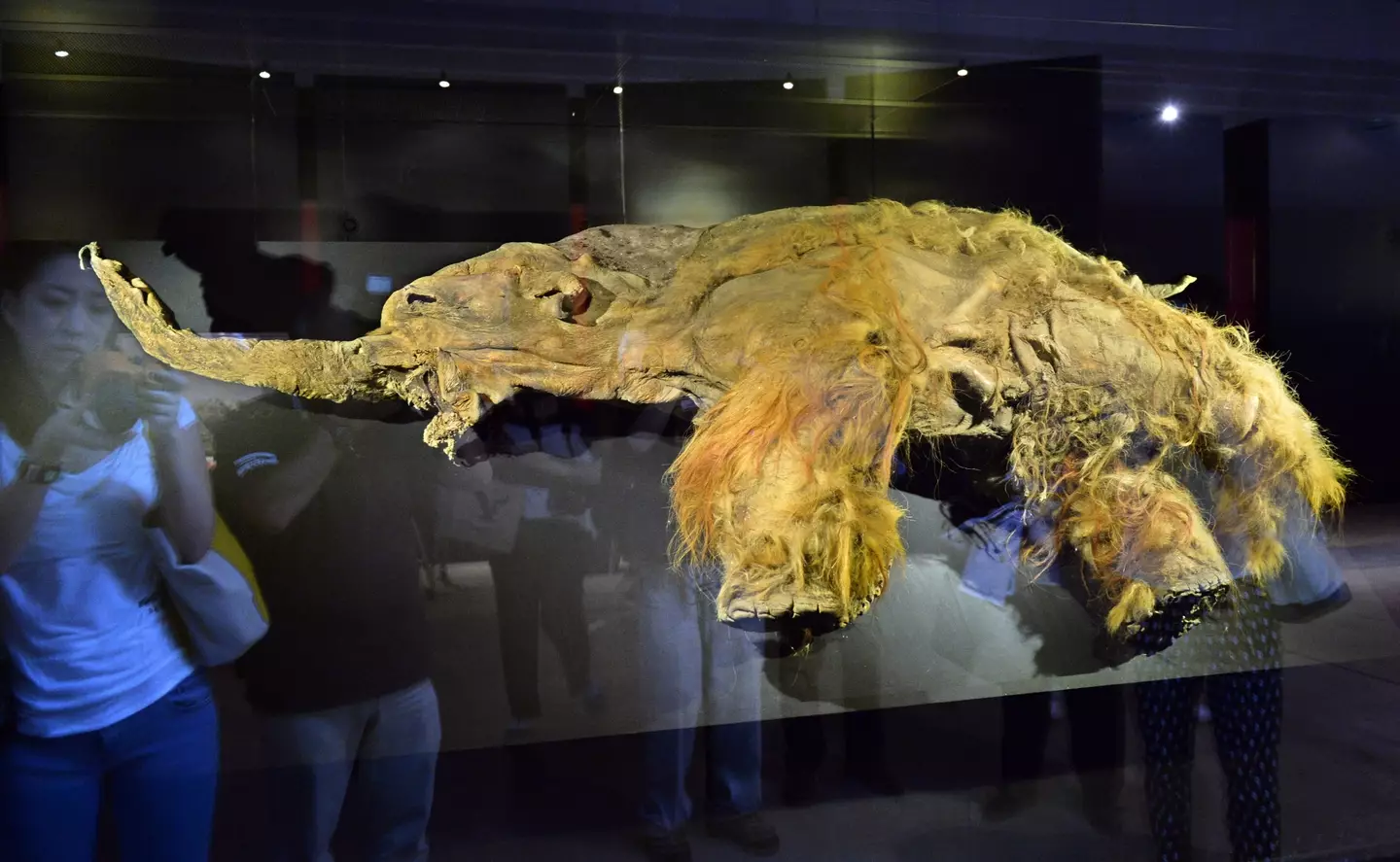
The dream of de-extinction, once confined to the realm of science fiction, has taken a significant step forward with a groundbreaking scientific discovery. Researchers have successfully sequenced RNA from a 39,000-year-old woolly mammoth named Yuka, a juvenile specimen preserved in the Siberian permafrost. This achievement marks the oldest RNA ever recovered from an extinct species, opening up new and previously unimaginable avenues for understanding and potentially resurrecting long-lost creatures.
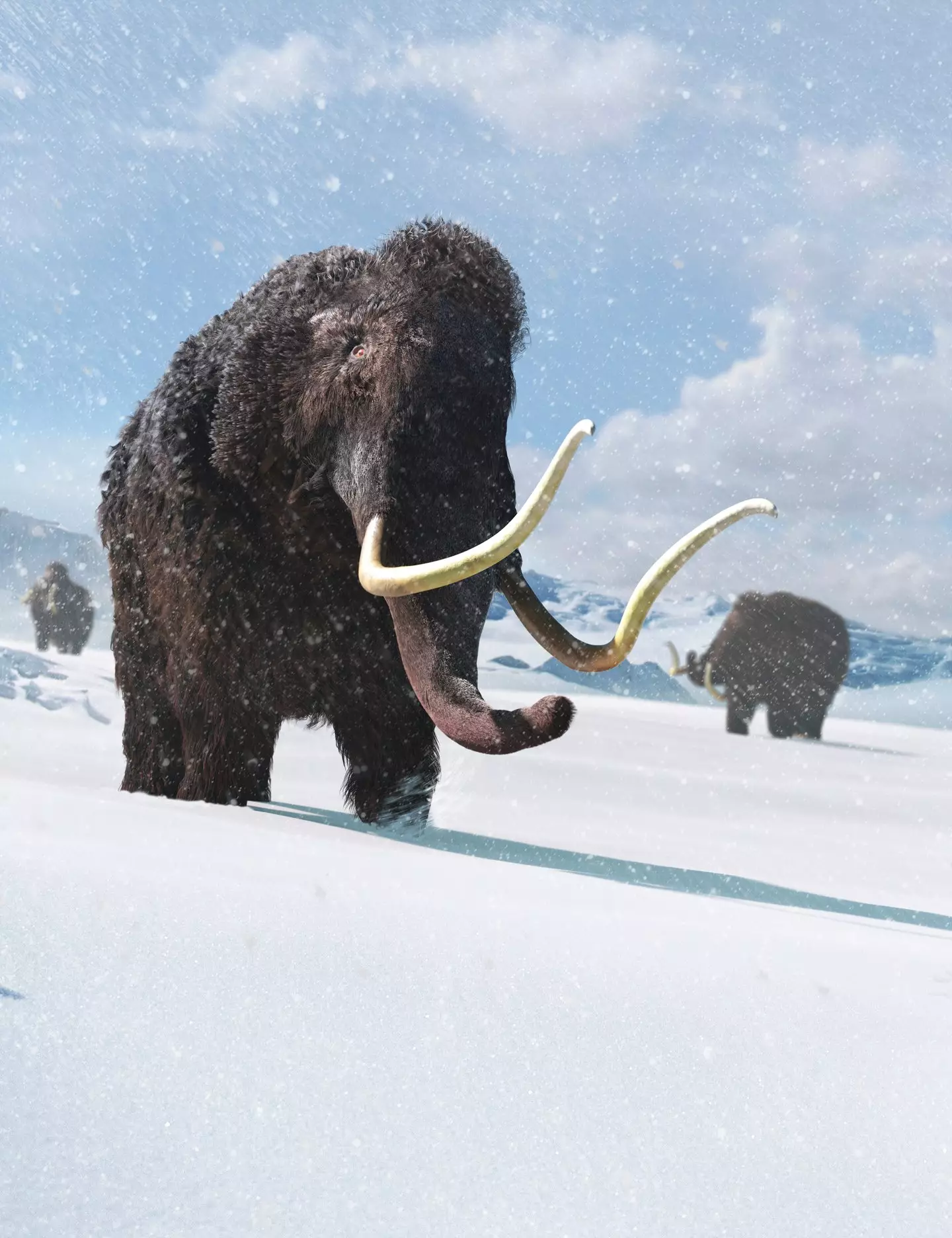
This breakthrough is pivotal because RNA provides a dynamic snapshot of an organism’s biology that DNA alone cannot. While DNA is the blueprint of life, RNA reveals which genes were actively being expressed and how the organism functioned at a cellular level. Dr. Emilio Mármol of Copenhagen’s Globe Institute confirmed the significance, stating, “Our methods and results could indeed inform and help the efforts aimed at ‘de-extincting’ certain renowned animals.” This data could be crucial for understanding the genetic mechanisms behind quintessential mammoth traits, such as their thick fur and fat layers.
However, the path from sequencing to resurrection is fraught with immense scientific and ethical challenges. As Professor Love Dalén, a study co-author, cautioned, this discovery does not make cloning an immediate possibility. The next formidable hurdle is gestation. The most proposed method involves using a female elephant as a surrogate, carrying a mammoth-elephant hybrid fetus created through genetic engineering. This scenario presents profound ethical dilemmas, as the physiological and psychological impact on the surrogate elephant mother and the newborn mammoth is unknown and potentially traumatic.
Furthermore, creating a single individual is a far cry from reviving a species. Any mammoth born through such a process would be genetically isolated, with no diverse population for breeding. This raises the question of whether we would be creating a scientific curiosity or a viable species. The debate intensifies when considering the conservation of currently endangered animals. The immense resources required for de-extinction could alternatively be directed toward protecting the rich biodiversity we have not yet lost, forcing a critical conversation about our conservation priorities in the 21st century.