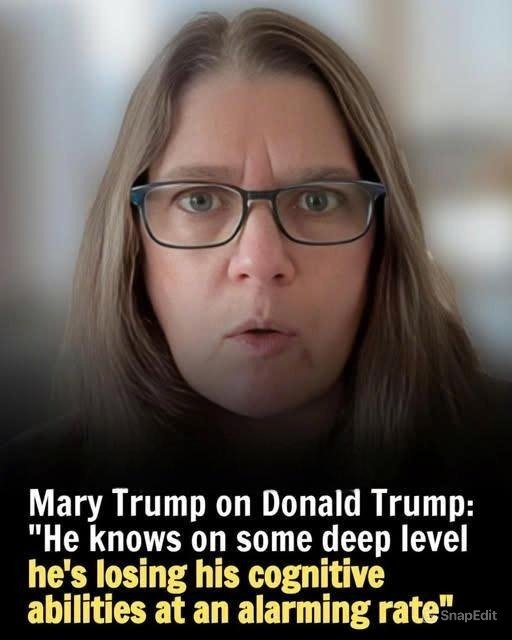
In a recent interview that cut through the usual political noise, Mary Trump, the former president’s niece and a trained psychologist, offered a starkly personal warning. She expressed profound concern that Donald Trump is “losing his cognitive abilities at an alarming rate.” This isn’t just another critic from the opposite aisle; this is a family member with a front-row seat to decades of his life, adding a deeply intimate dimension to the long-standing public debate about his mental fitness. Her comments force us to look beyond policy and polls, and to ask what it means when the person raising the alarm shares the same last name.
Mary Trump’s background gives her claims a unique weight. As a clinical psychologist, she frames her observations not just as political disagreement but through the lens of professional concern. She describes a noticeable and accelerating change, a departure from the man she has known since childhood. This personal angle makes the discussion feel less like a partisan attack and more like a reluctant, uncomfortable diagnosis from within the family circle. It suggests that what the public sees in rallies and interviews may only be a fragment of a more concerning private reality.
Her concerns arrive amid a national conversation about age and acuity in leadership. The question of cognitive health in older politicians is not new, but it is increasingly urgent. Mary Trump’s intervention shifts the debate from abstract speculation to a specific, family-sourced claim. Is this a credible assessment from a qualified observer, or a deeply personal narrative shaped by a very public family feud? Experts are divided, but the accusation now carries the gravity of insider knowledge, making it harder to dismiss outright.
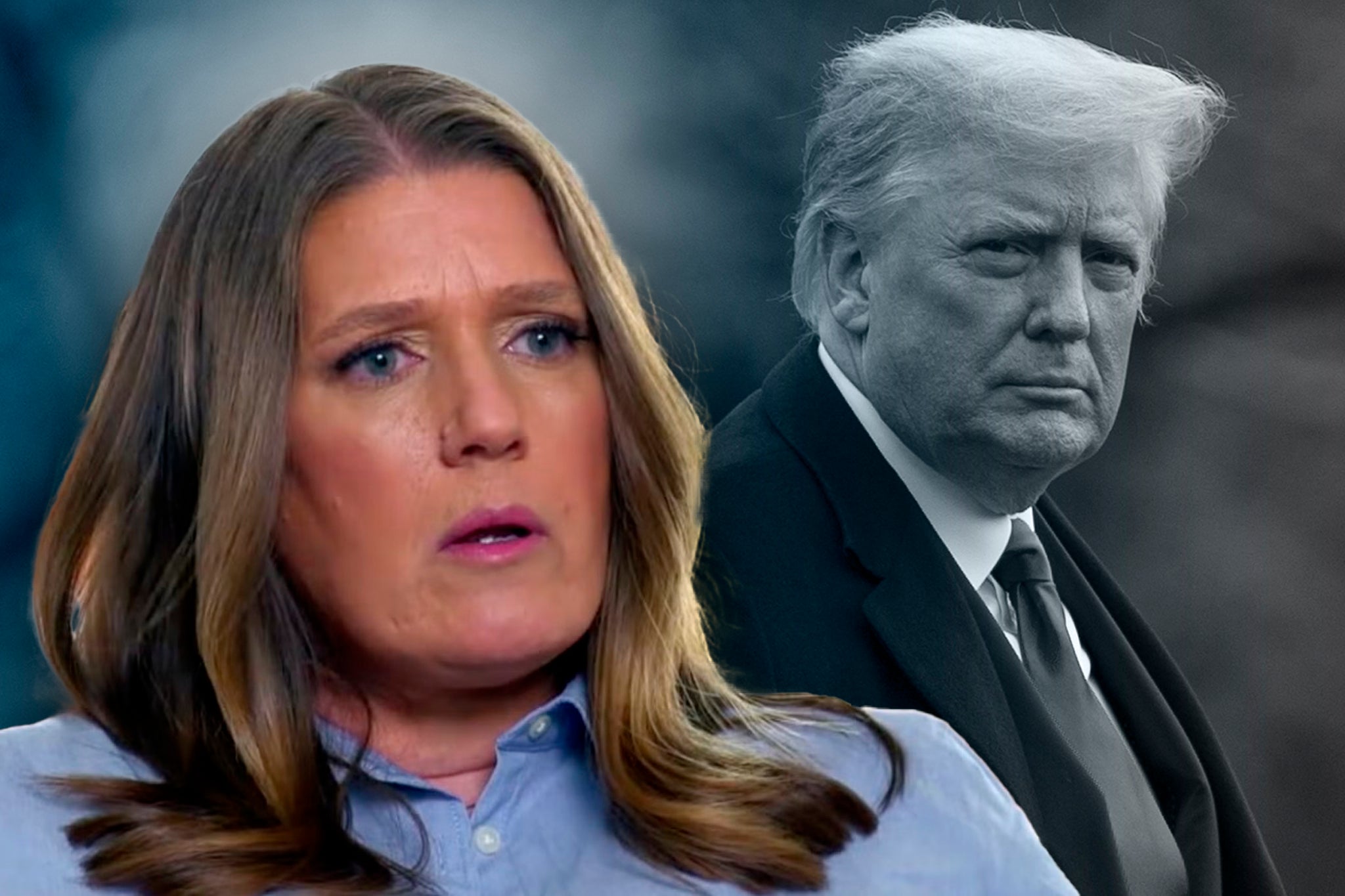
Politically, the timing is critical. Mary Trump directly linked her uncle’s cognitive state to what she called his “terrible poll numbers” and “unpopular policies.” She is essentially arguing that his political struggles are not just ideological but may be symptomatic of a deeper decline. This connection raises the stakes immensely. It suggests that the volatility and strategic errors his critics point to may have a clinical explanation, potentially altering how voters, donors, and even allies perceive his capacity for another grueling campaign and possible second term.
The public reaction has been predictably polarized, yet the source has given the story new traction. Supporters of Donald Trump see it as a vindictive act from a disgruntled relative, another chapter in a well-documented family rift. Detractors view it as courageous confirmation of their long-held suspicions. For the media, it’s a story that blends high-stakes politics, family drama, and a looming health question—a potent mix that ensures it will dominate headlines. Mary Trump has, perhaps intentionally, blurred the line between a personal family matter and a pressing public concern.
Looking ahead, these allegations cast a long shadow. If taken seriously, they pose an existential threat to Donald Trump’s political future. Can a movement built on a image of unwavering strength withstand a credible narrative of mental decline from within its own family? For the Republican Party, it presents a delicate dilemma: how to navigate a potential nominee whose own kin questions his basic fitness. Mary Trump’s interview has done more than just air dirty laundry; it has planted a seed of profound doubt that may be impossible to fully uproot as the election cycle progresses.