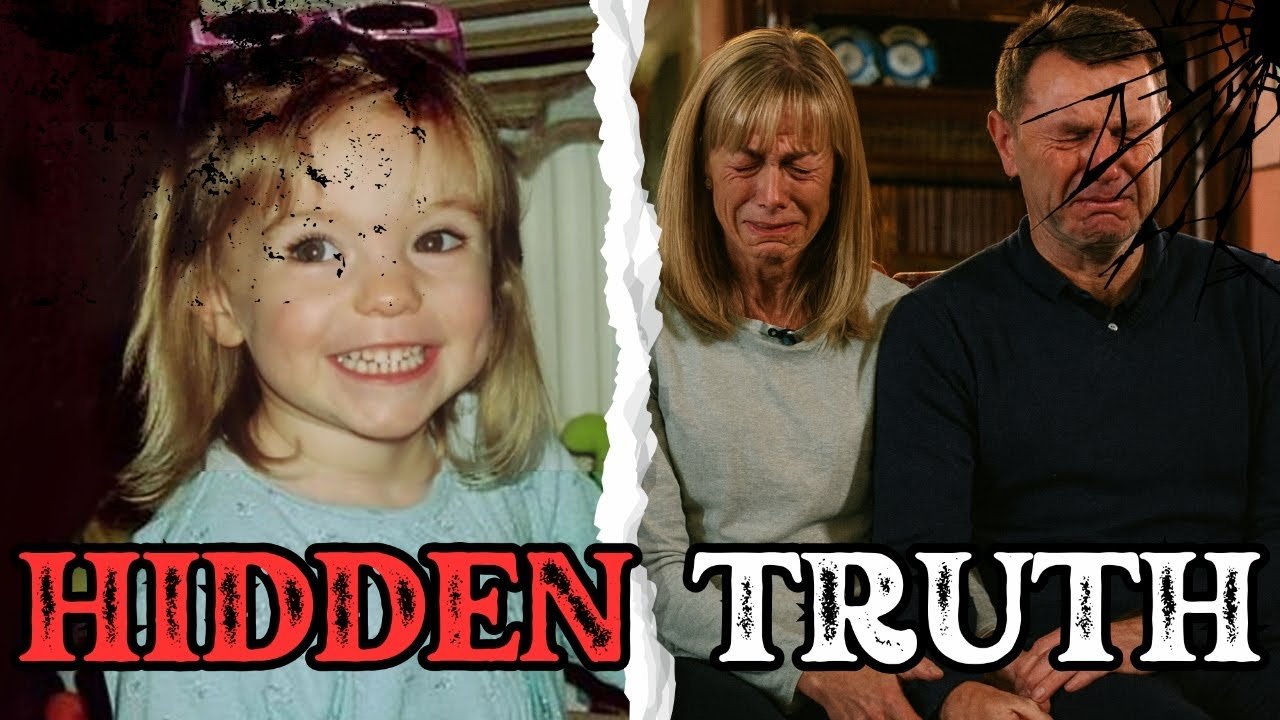
The disappearance of Madeleine McCann from a Portuguese holiday apartment in 2007 remains one of the most haunting unsolved mysteries of our time. For years, the public narrative has centered on a terrifying abduction—a stranger slipping into the apartment while her parents dined nearby. This story of a stolen child mobilized a global search and captured the world’s sympathy. However, recent attention on long-standing forensic evidence is challenging this core assumption, forcing a difficult re-examination of the case’s foundational facts.
The initial investigation was built on the account provided by Madeleine’s parents and their friends, known as the “Tapas 7.” Their timeline of checks on the sleeping children became the framework for the police response. Yet, from the beginning, inconsistencies emerged. Witness statements conflicted, and investigators noted a critical lack of physical evidence. There were no signs of a forced entry, no fingerprints from an intruder, and no indication of a struggle inside the apartment. The scene was eerily calm, suggesting a mystery far more complex than a simple kidnapping.
Months after the disappearance, a new element was introduced that would cast a long shadow over the case: cadaver dogs. These specially trained animals were brought to the holiday apartment and to a car the McCanns rented weeks after Madeleine vanished. The dogs alerted their handlers to the scent of human remains in both locations. This forensic evidence introduced a profoundly unsettling possibility—that Madeleine may not have left the apartment alive on the night she was reported missing.
This evidence forces uncomfortable questions. If the abduction story is accurate, how does one explain the dogs’ reactions in the rental car, which was not in the family’s possession until much later? The lack of an intruder’s trail, combined with the scent of death, points investigators toward scenarios they had previously discounted. The focus has inevitably shifted from an external threat to a closer examination of the events and individuals present that night.
The McCann case is no longer just a search for a missing girl. It has become a stark lesson in how difficult it is to uncover the truth when initial narratives take root in the public consciousness. The original abduction theory provided a clear villain and a clear victim, a structure that was easier to comprehend. The new evidence suggests a reality that is murkier, more painful, and far harder to confront. As the investigation continues, it is this forensic testimony, silent for so long, that now demands the loudest hearing.

