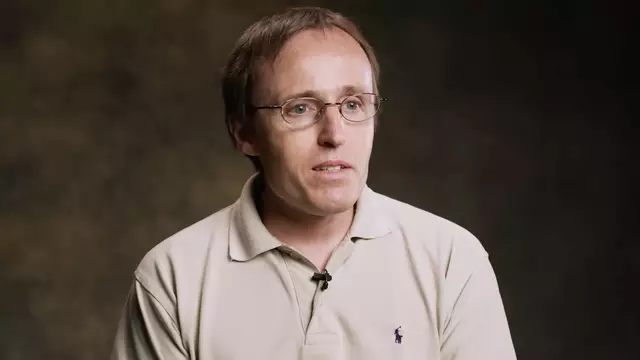
Pieter Tritton’s life took a dramatic turn from a peaceful childhood in the English countryside to the brutal confines of some of the world’s most dangerous prisons. His story is not just one of crime and punishment, but of survival in an environment where life is cheap and violence is a constant, terrifying reality. Tritton, a former international drug trafficker, was arrested in 2005 for operating a cocaine importation business and was subsequently incarcerated in Ecuador’s notorious penitentiary system.
His first stop was Quito prison, a place he describes as a volatile and open complex that functioned like a small, lawless town. Within its walls, the threat of death was ever-present. Tritton witnessed executions carried out in the most brutal ways imaginable, with inmates being electrocuted, decapitated, and shot at a moment’s notice. He recalls the haunting experience of walking through the prison and suddenly encountering a scene of horrific violence, with bodies mutilated beyond recognition.
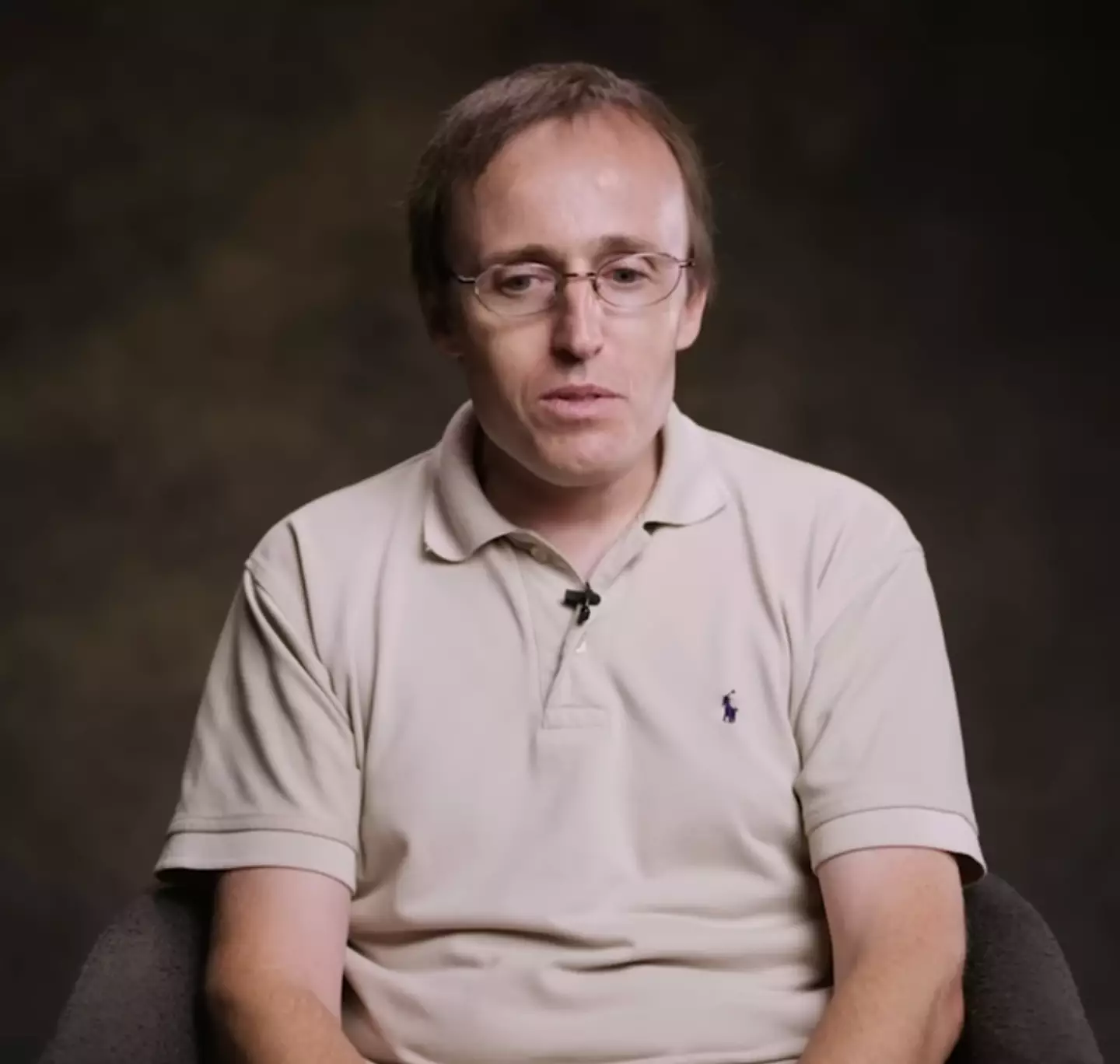
Among the many horrors he endured, one sensory memory remains etched in his mind: the smell and taste of blood. He describes it as a metallic, coppery presence in the air and on his tongue, a constant reminder of the carnage that surrounded him. This, he says, is one of the worst things he will never forget. Every night, he went to sleep unsure if he would wake up the next morning, living with the profound fear that his life could end at any time.
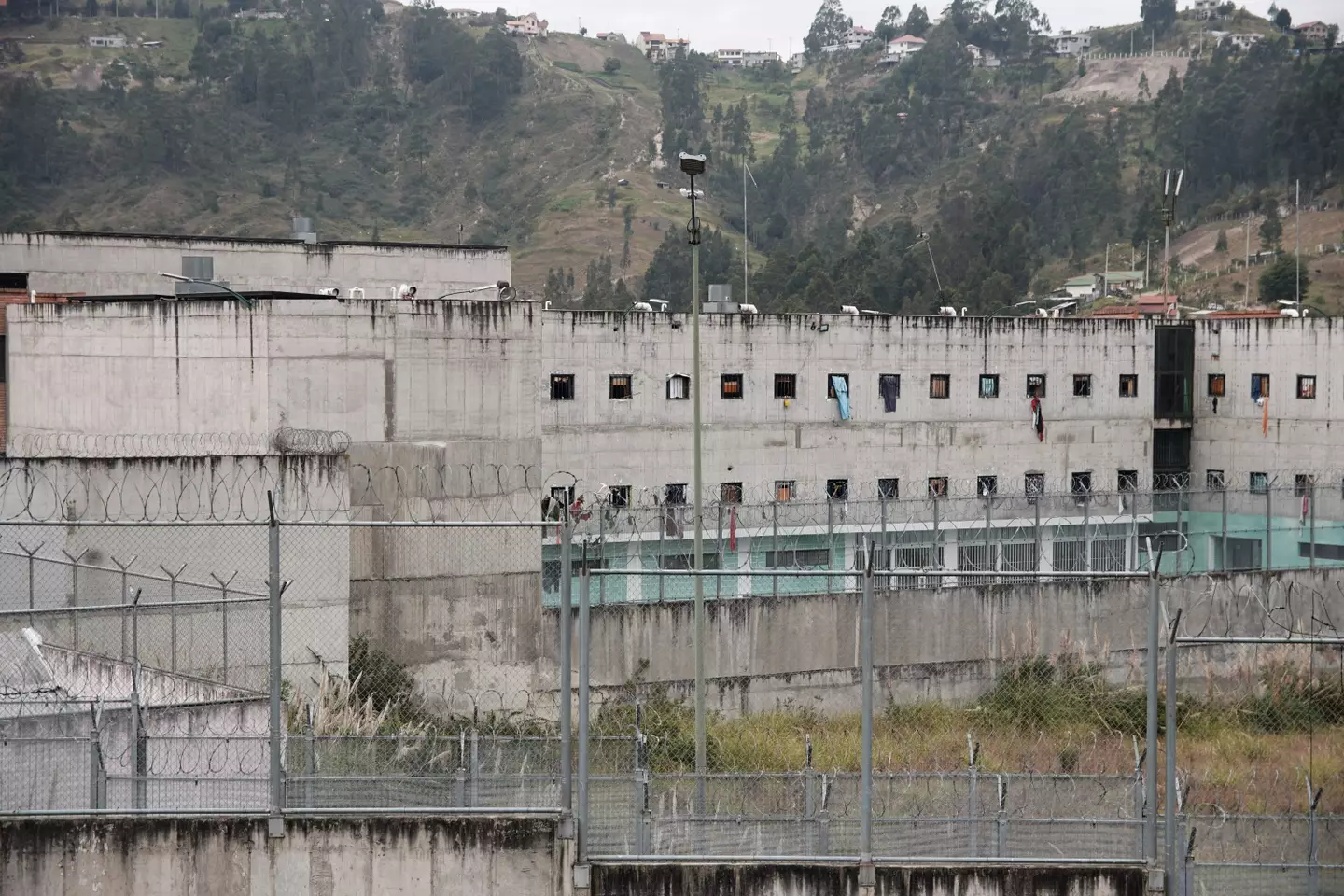
His ordeal worsened when he was transferred to a larger prison in Guayaquil, a facility housing 8,000 inmates and controlled by powerful gangs. He was warned that surviving five years there was nearly impossible, with death, severe illness, or madness being the most likely outcomes. To survive, Tritton joined an armed prison gang and was forced into violent conflicts, all while his health deteriorated dramatically from illnesses like tuberculosis.
After a particularly harrowing incident prompted intervention from the British embassy, Tritton was eventually transferred back to the UK. His time in a British prison felt like a “holiday camp” in comparison, a place where he no longer had to live in fear of being shot. His story serves as a stark testimony to the extreme conditions in certain prisons abroad and the lasting psychological scars they leave on those who survive them.

